
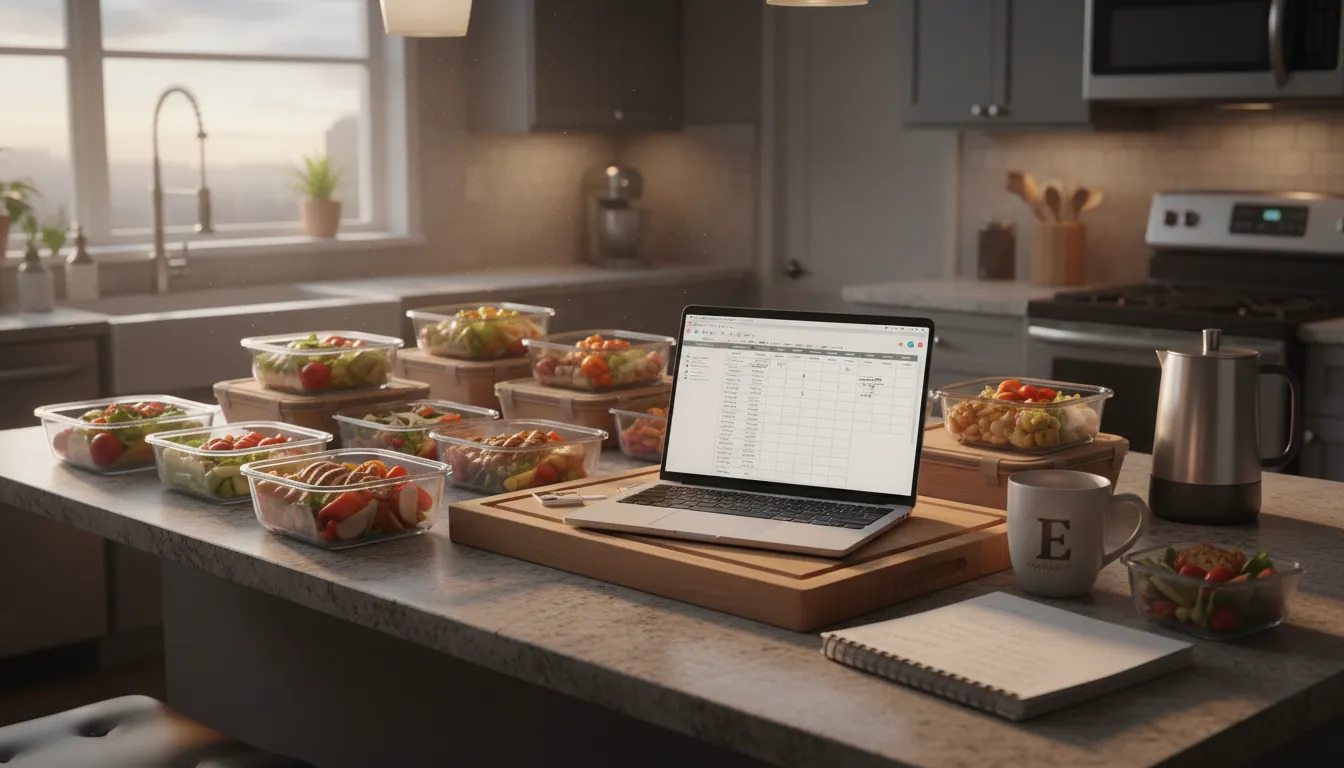
The UK’s food delivery market has skyrocketed in recent years, growing a staggering 71% between 2020 and 2024 and now valued at £14.5 billion. This presents a golden opportunity for aspiring food entrepreneurs and home cooks to turn their culinary talents into a thriving business.
Whether you’re passionate about healthy meal prep, specialty diets, or running a virtual “ghost kitchen,” starting a food delivery service from your home can be a highly lucrative venture. In fact, the average home chef in the UK can earn between £800 to £3,000 per month through their delivery business.
In this comprehensive guide, we’ll explore three proven models for starting a food delivery business from home, including the startup costs, legal requirements, and expert tips to ensure your new venture is a roaring success.
What is a Home-Based Food Delivery Business?
A home-based food delivery business is exactly what it sounds like – a culinary enterprise operated out of your own kitchen, where you prepare, package, and deliver meals directly to customers in your local area. These businesses leverage the growing demand for convenience, health-conscious options, and personalized dining experiences.
Unlike traditional restaurants, home-based food delivery services can operate with a much lower overhead, as you won’t need to invest in a commercial kitchen space or storefront. Instead, you can transform your home kitchen into a thriving food production hub, catering to a wide range of dietary preferences and customer needs.
3 Proven Models for a Home Food Delivery Business
When it comes to starting a food delivery business from home, there are three primary models to consider:
1. Meal Prep Delivery
In this model, you’ll prepare a selection of healthy, pre-portioned meals that customers can order and have delivered to their doorstep. This is an excellent option for busy professionals, families, and fitness-minded individuals who want to save time on meal planning and preparation.
Your meal prep business might offer a variety of cuisines, specialized diets (such as keto, paleo, or vegan), or even customizable meal plans. The key is to identify a niche that sets you apart from the competition and resonates with your target audience.
2. Ghost Kitchen
A “ghost kitchen” is a commercial food preparation space that operates solely for delivery and takeout, without a physical storefront or dine-in options. As a home-based food entrepreneur, you can set up a ghost kitchen in your home kitchen, allowing you to serve a wider geographic area and handle higher order volumes.
This model is particularly beneficial if you have expertise in a specific cuisine or have developed a signature dish that customers crave. By focusing on delivery, you can streamline your operations, reduce overhead, and scale your business more effectively.
3. Specialty Diet Boxes
If you have a deep understanding of particular dietary needs or lifestyle preferences, you can create and deliver specialized meal boxes catered to those customers. This might include keto, paleo, vegan, gluten-free, or even pet food boxes.
The advantage of the specialty diet box model is that you can tap into a dedicated customer base that is often underserved by mainstream food delivery options. By offering high-quality, tailored meals, you can command a premium price and build a loyal following of health-conscious consumers.
Step-by-Step Guide to Starting a Home Food Delivery Business
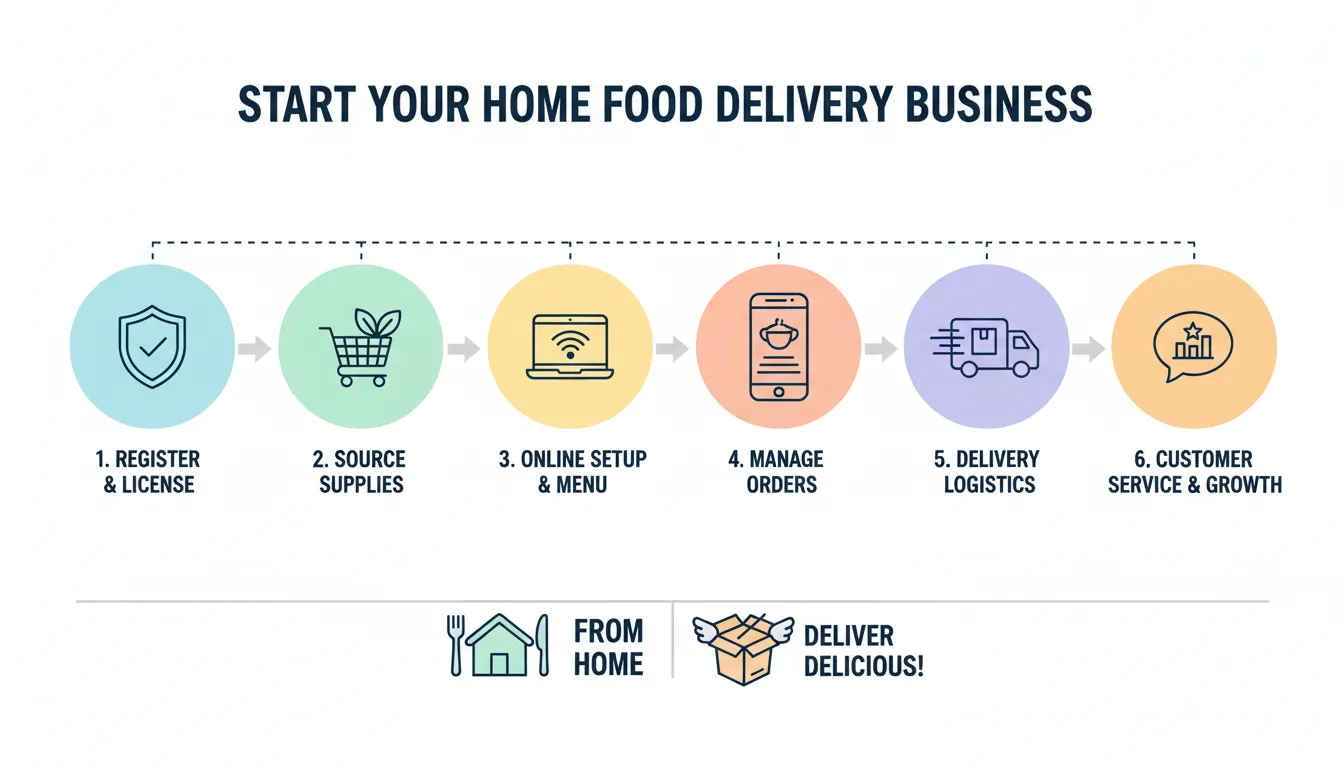
Now that you’ve explored the different models, let’s dive into the practical steps to bring your home-based food delivery business to life:
1. Obtain the Necessary Licenses and Registrations
Before you can start cooking and delivering meals, you’ll need to ensure your home kitchen is compliant with local food safety regulations. This typically involves registering your business with your local council and obtaining a food hygiene certificate.
Additionally, you may need to acquire a food business registration, a food premises approval, and potentially a license to operate a home-based food delivery service. Be sure to research the specific requirements in your area, as they can vary by region.
2. Source High-Quality Ingredients and Supplies
As a home-based food entrepreneur, your ingredients and packaging will be crucial to the success of your business. Invest in fresh, locally-sourced produce, meats, and other high-quality raw materials to ensure your meals are not only delicious but also nutritious.
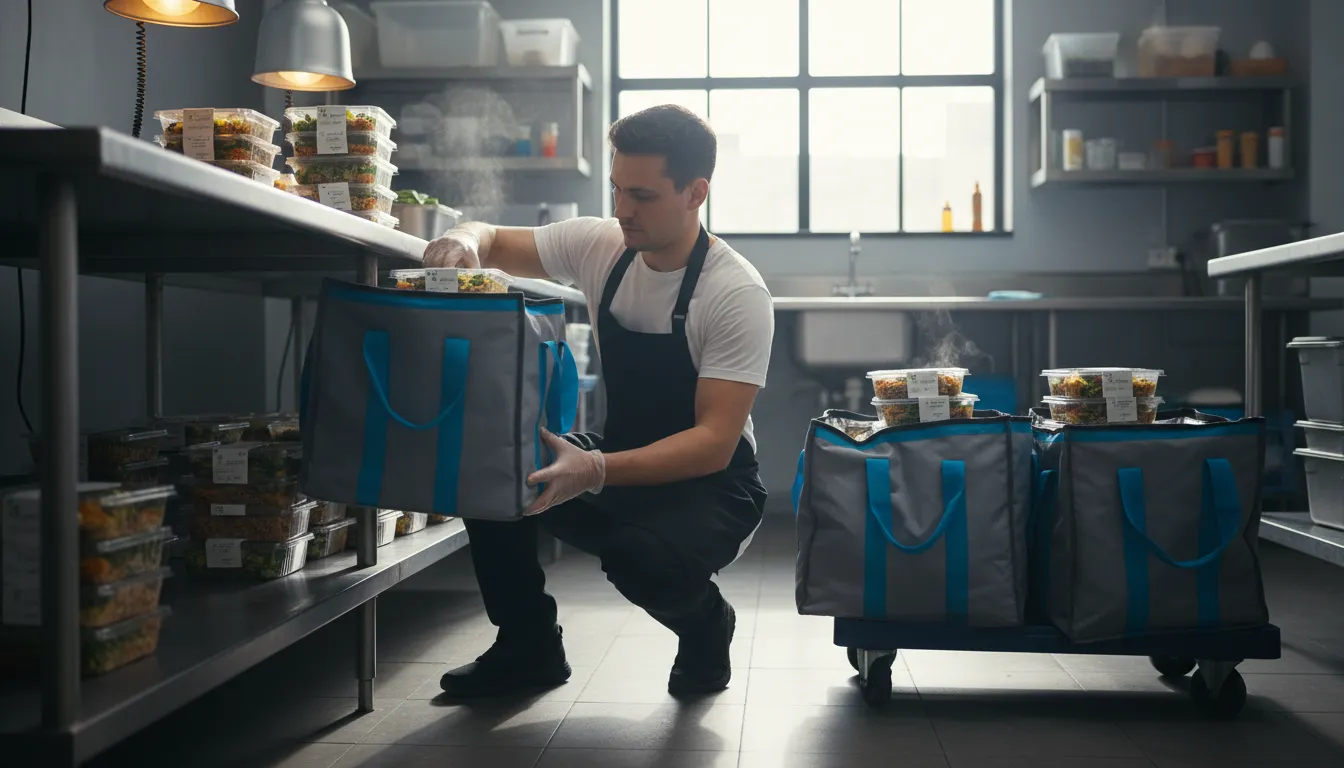
You’ll also need to source appropriate food storage containers, insulated delivery bags, and any other necessary packaging and labeling supplies. Consider investing in a commercial-grade refrigerator or freezer to maintain the freshness and safety of your prepared meals.
3. Develop a Compelling Menu and Brand Identity
Your menu should be a reflection of your culinary expertise, dietary specialties, and target audience. Carefully curate a selection of dishes that balance customer demand, your own capabilities, and profitability.
Additionally, you’ll want to establish a strong brand identity that resonates with your customers. This includes a memorable business name, eye-catching logo, and a cohesive visual style across your website, social media, and packaging.
4. Build an Online Ordering and Delivery System
In today’s digital landscape, a robust online presence is essential for a successful home-based food delivery business. Invest in a user-friendly website that allows customers to easily browse your menu, place orders, and manage their deliveries.
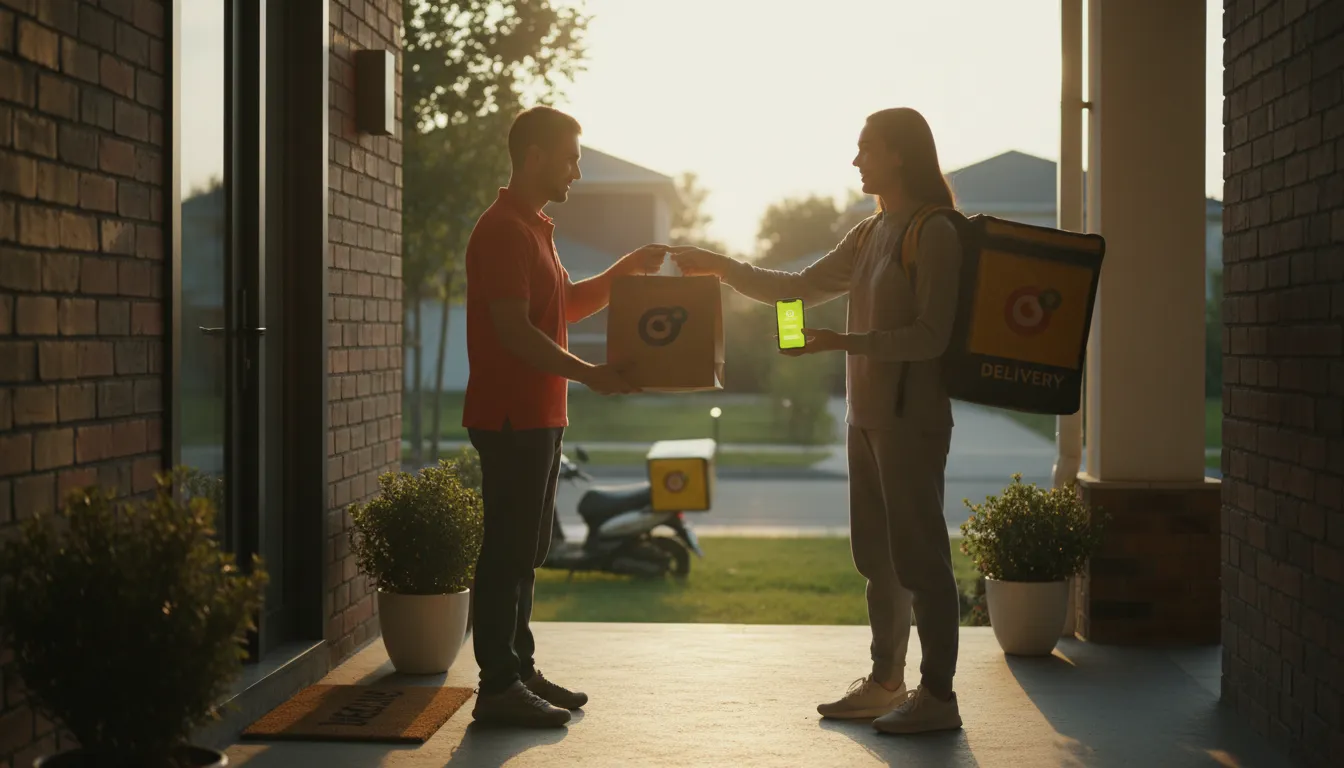
Consider integrating with popular food delivery platforms like Uber Eats, Deliveroo, or Just Eat, which can provide a built-in customer base and streamlined ordering and logistics. However, be aware that these platforms typically take a commission of 15-30% on each order.
5. Optimize Your Operational Efficiency
Running a home-based food delivery business requires meticulous planning and organization. Establish efficient workflows for meal preparation, packaging, and delivery to ensure your orders are fulfilled promptly and consistently.
Implement inventory management systems, create detailed production schedules, and optimize your delivery routes to minimize waste and maximize profitability. Continuously seek ways to streamline your operations and stay ahead of customer demand.
6. Market Your Business and Build a Customer Base
To attract and retain customers, you’ll need to invest in strategic marketing efforts. This may include:
– Developing a strong social media presence on platforms like Instagram, Facebook, and TikTok
– Leveraging search engine optimization (SEO) to improve your website’s visibility
– Offering promotional discounts or loyalty programs to incentivize repeat business
– Collaborating with local influencers, bloggers, or community groups to reach new audiences
– Distributing flyers or business cards in your neighborhood and surrounding areas
Remember, building a successful home-based food delivery business is a marathon, not a sprint. Consistently providing high-quality products, excellent customer service, and engaging marketing will be key to your long-term success.
Key Takeaways
Startup Costs for a Home Food Delivery Business
The startup costs for a home-based food delivery business can vary widely depending on the model you choose and the scale of your operation. Here’s a general breakdown of the key expenses you may encounter:
Registration and Licensing
– Food business registration: £20-£100
– Food hygiene certificate: £50-£200
– Local council approval: £100-£500
Kitchen Equipment and Supplies
– Commercial-grade refrigerator/freezer: £500-£1,500
– Cooking appliances (e.g., induction cooktop, oven): £200-£1,000
– Pots, pans, utensils: £100-£500
– Packaging and labeling materials: £100-£500
Marketing and Website
– Website development and hosting: £500-£2,000
– Social media marketing: £50-£300 per month
– Promotional materials (flyers, business cards): £50-£300
Ongoing Operational Costs
– Food and ingredient costs: £300-£1,500 per month
– Delivery fees (if using third-party platforms): 15-30% of order value
– Utilities (electricity, gas, water): £50-£200 per month
Depending on the scale and complexity of your home-based food delivery business, your total startup costs can range from as little as £500 to as much as £2,500. It’s essential to carefully plan and budget for these expenses to ensure a smooth launch and sustainable operations.
The Pros and Cons of Starting a Home Food Delivery Business
Before you dive into the world of home-based food entrepreneurship, let’s explore the key advantages and potential drawbacks:
Pros:
– Low overhead costs compared to a traditional restaurant
– Ability to work from the comfort of your own home
– Flexibility to cater to specific dietary needs and preferences
– Potential for high profit margins, especially on high-volume orders
– Opportunities for growth and scalability
Cons:
– Strict food safety and licensing requirements that must be met
– Limited kitchen space and equipment compared to a commercial kitchen
– Challenges in maintaining consistent quality and food safety
– Intense competition from larger food delivery platforms and local restaurants
– Reliance on third-party delivery services (which can take a significant commission)
Real-World Examples of Successful Home Food Delivery Businesses
To inspire your own home-based food delivery venture, let’s look at a few examples of entrepreneurs who have found success in this thriving industry:
Nourish and Flourish
Based in London, Nourish and Flourish is a meal prep delivery service that specializes in healthy, plant-based meals. Founded by former personal trainer Tara, the business has grown to serve hundreds of customers per week, with a focus on sustainable packaging and locally-sourced ingredients.
The Hungry Hobbit
Operating out of a home kitchen in Manchester, The Hungry Hobbit offers a range of hearty, comfort-food-inspired meals tailored to specific dietary needs, including keto, paleo, and gluten-free. The business has built a loyal customer base by emphasizing quality, convenience, and personalized customer service.
Jess’s Fresh Meals
Based in Bristol, Jess’s Fresh Meals is a ghost kitchen-style operation that delivers a rotating menu of globally-inspired cuisine, from Korean bibimbap to Mediterranean-style bowls. By leveraging efficient production and delivery systems, founder Jess has been able to scale her business and expand its reach across the region.
These examples demonstrate the diverse opportunities available in the home-based food delivery market, as well as the potential for significant growth and profitability.
FAQ: Starting a Home Food Delivery Business
Q: Do I need a commercial kitchen to start a home food delivery business?
A: No, you can operate a home-based food delivery business out of your own home kitchen, as long as it meets the necessary food safety and hygiene requirements set by your local council. However, you may need to obtain specific licenses and approvals to run a food business from a residential property.
Q: How much can I expect to earn from a home food delivery business?
A: The earning potential for a home-based food delivery business can vary widely, but the average home chef in the UK can earn between £800 to £3,000 per month, depending on factors such as order volume, pricing, and operational efficiency.
Q: What are the legal requirements for starting a home food delivery business?
A: The key legal requirements typically include registering your business with the local council, obtaining a food hygiene certificate, and ensuring your home kitchen meets food safety standards. You may also need to acquire a food business registration and potentially a license to operate a home-based delivery service.
Q: How do I market a home food delivery business?
A: Effective marketing strategies for a home-based food delivery business may include:
– Developing a strong online presence with a professional website and active social media channels
– Leveraging search engine optimization (SEO) to improve your website’s visibility
– Offering promotional discounts or loyalty programs to attract and retain customers
– Collaborating with local influencers, bloggers, or community groups to reach new audiences
– Distributing flyers or business cards in your neighborhood and surrounding areas
Q: Can I use a third-party delivery service for my home food delivery business?
A: Yes, many home-based food entrepreneurs choose to partner with established delivery platforms like Uber Eats, Deliveroo, or Just Eat. While these services typically take a commission of 15-30% on each order, they can provide a built-in customer base and streamlined logistics, which can be especially beneficial when you’re starting out.
Conclusion: Launch Your Profitable Home Food Delivery Business
The booming UK food delivery market presents a golden opportunity for aspiring home cooks and food entrepreneurs to turn their culinary talents into a thriving business. By leveraging one of the three proven models – meal prep delivery, ghost kitchen, or specialty diet boxes – you can harness the growing demand for convenient, high-quality, and personalized dining options.
With the right planning, efficient operations, and strategic marketing, your home-based food delivery business can become a lucrative venture that allows you to monetize your passion for cooking and serve your local community. So what are you waiting for? Take the first step towards becoming a successful food entrepreneur and launch your dream business today.
Advertisement
