
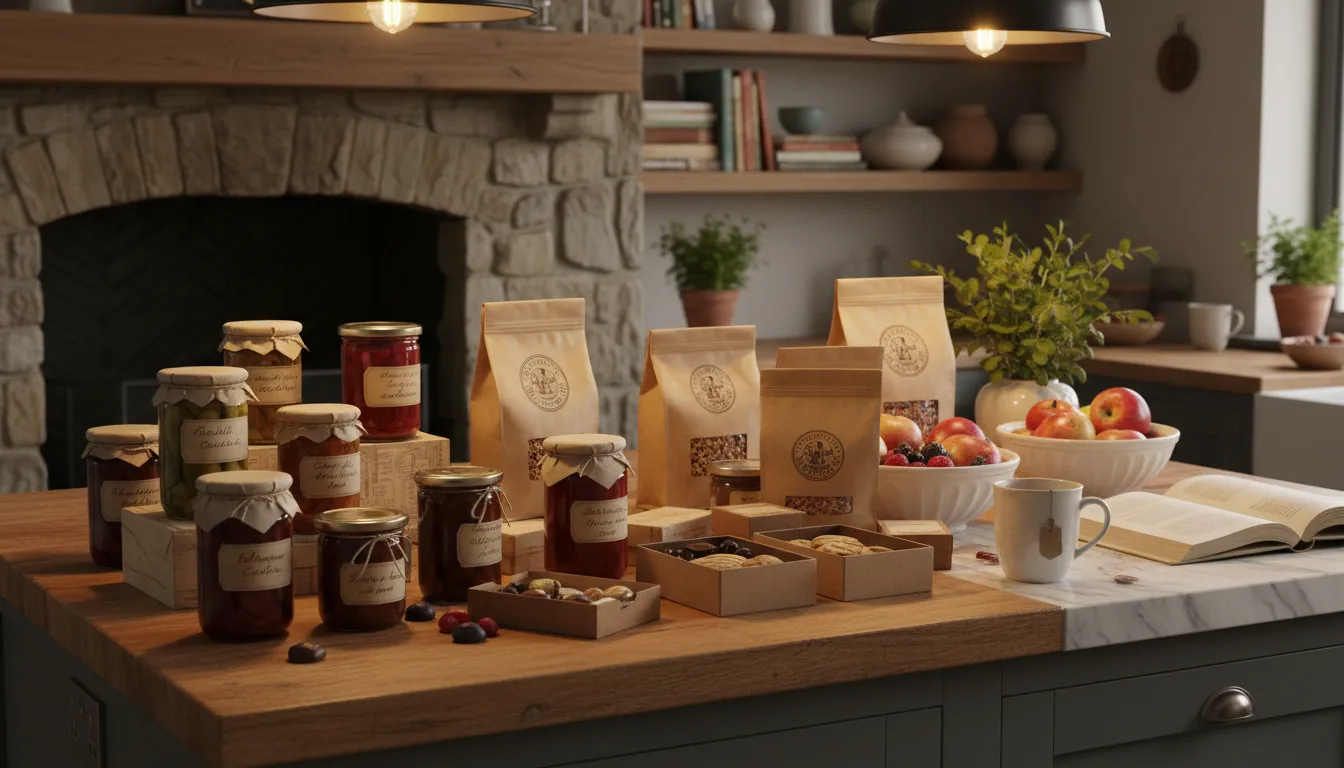
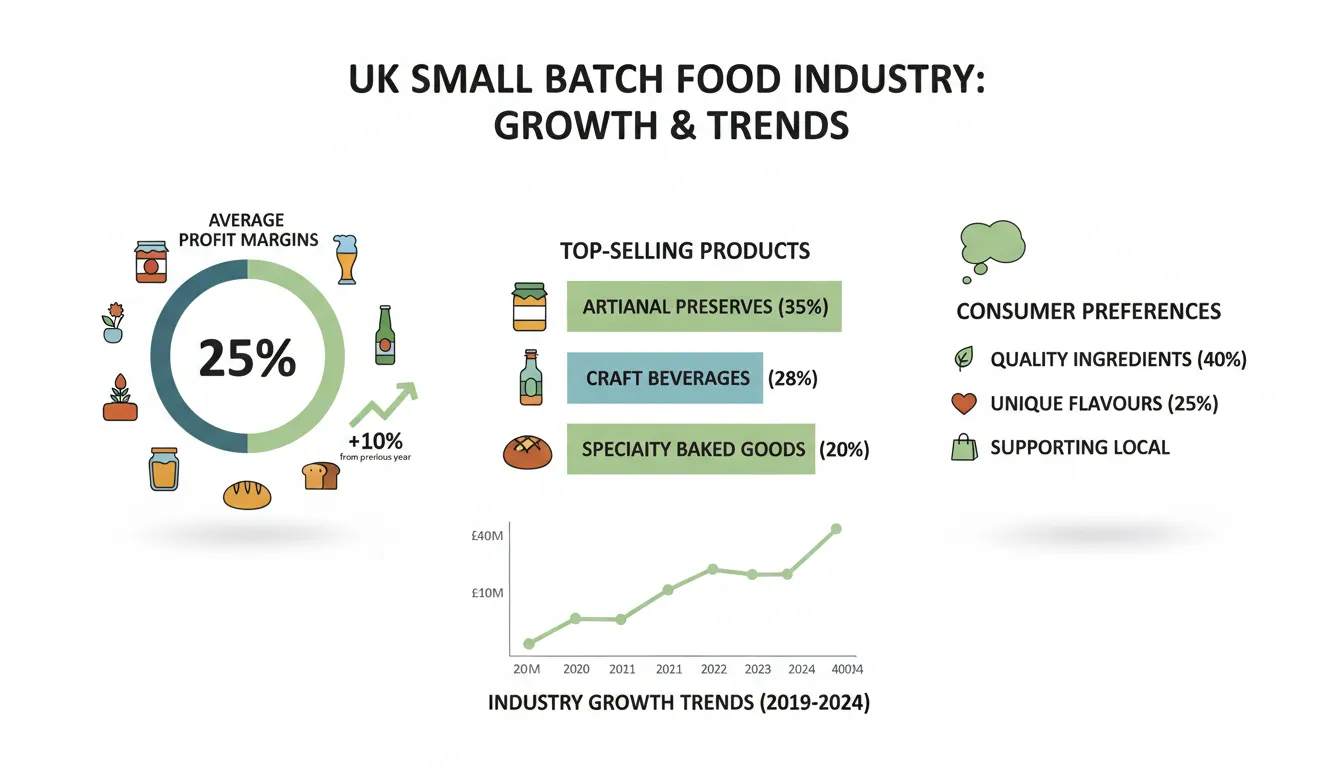
The small batch food market in the UK is booming, with consumers increasingly seeking out unique, high-quality artisanal products. In fact, the small batch food industry is growing by a remarkable 12% annually, as UK shoppers are willing to pay a 20-40% premium for these speciality items.
From hot sauces and flavoured salts to gourmet jams and premium granola, there’s a wealth of opportunities for home cooks and artisan makers to tap into this lucrative market. With start-up costs as low as £100 and the potential to earn £300-£2,000 per month, it’s no wonder that more and more people are turning their passion for food into a profitable small batch business.
In this comprehensive guide, we’ll uncover 10 of the most promising small batch food business ideas, complete with essential information on profit margins, shelf life, and key market trends. Whether you’re looking to monetize your culinary skills or diversify your income streams, these small batch food business ideas could be the perfect pathway to unlocking your kitchen’s income potential.
What Is a Small Batch Food Business?
A small batch food business refers to a food production operation that creates artisanal, handcrafted products in limited quantities. These businesses typically prioritize quality over quantity, using high-quality ingredients and meticulous preparation methods to deliver unique flavours and textures that can’t be found in mass-produced, commercial food products.
Small batch food businesses often operate out of home kitchens or small commercial facilities, and they may sell their products through local farmers’ markets, online marketplaces, or specialty food stores. The emphasis is on craftsmanship, attention to detail, and a personal connection with the customer, rather than on large-scale, volume-driven production.
10 Profitable Small Batch Food Business Ideas
1. Artisan Hot Sauce
Profit Margin: 50-70%
Shelf Life: 6-12 months
Artisanal hot sauces have become increasingly popular in the UK, with consumers seeking out unique flavour profiles and locally-sourced ingredients. The average price for a 100ml bottle of small batch hot sauce is £6.99, making it a highly profitable product for home cooks and small food producers. With a shelf life of 6-12 months, hot sauces are a relatively low-risk investment, allowing you to build up inventory and experiment with different recipes.
2. Flavoured Salts
Profit Margin: 60-80%
Shelf Life: 12-24 months
Flavoured salts are another low-cost, high-margin opportunity in the small batch food market. By infusing high-quality sea salt with herbs, spices, or other natural flavourings, you can create a variety of gourmet salt blends that command premium prices. The average price for a 50g jar of artisan salt is £3-£5, and with a shelf life of up to 24 months, these products can be easily stored and scaled as your business grows.
3. Artisan Jams and Preserves
Profit Margin: 50-70%
Shelf Life: 6-12 months
Homemade jams, marmalades, and fruit preserves are perennial favourites among small batch food consumers. With an average price of £4-£8 for a 200g jar, these products offer a healthy profit margin and an opportunity to showcase your culinary creativity. From classic flavours to unique combinations like lavender-honey or spiced apple, artisan jams and preserves are a versatile and in-demand small batch food item.
4. Granola and Muesli
Profit Margin: 60-80%
Shelf Life: 3-6 months
Gourmet granola and muesli blends have become increasingly popular as health-conscious consumers seek out high-quality, nutrient-dense breakfast options. With an average price of £5-£10 for a 300g bag, these small batch products can be highly lucrative, especially if you incorporate premium ingredients like nuts, seeds, and dried fruit. The 3-6 month shelf life allows for ample production and inventory management.
5. Brownie Boxes and Baked Goods
Profit Margin: 50-70%
Shelf Life: 2-4 weeks
Decadent brownie boxes and other small batch baked goods have become sought-after gift items, with consumers willing to pay £15-£25 for a premium, artisanal set. While the shelf life is relatively short at 2-4 weeks, the high profit margins and potential for repeat orders make these products an attractive option for home bakers and small food businesses. Experiment with flavour combinations, specialty ingredients, and creative packaging to stand out in the market.
6. Infused Olive Oils and Vinegars
Profit Margin: 60-80%
Shelf Life: 6-12 months
Infused olive oils and artisanal vinegars are another lucrative small batch food product. By infusing high-quality oils and vinegars with herbs, spices, or fruit, you can create unique flavour profiles that command premium prices. The average price for a 250ml bottle of small batch infused oil or vinegar is £6-£10, and with a shelf life of 6-12 months, these products are relatively low-risk to produce and store.
7. Speciality Nut Butters
Profit Margin: 50-70%
Shelf Life: 3-6 months
Handcrafted, small batch nut butters have gained popularity among health-conscious consumers and artisanal food enthusiasts. By using premium nuts, unique flavour combinations, and minimal processing, you can create specialty nut butters that sell for £5-£10 per 250g jar. With a shelf life of 3-6 months, these products offer a good balance of profitability and inventory management.
8. Artisan Baked Mixes
Profit Margin: 60-80%
Shelf Life: 6-12 months
Small batch baking mixes, such as pancake, waffle, or scone mixes, allow home cooks to enjoy the convenience of a pre-made blend while still supporting local, artisanal producers. Priced at £5-£8 per 300g bag, these products provide a high-margin opportunity with a relatively long shelf life of 6-12 months. Offer unique flavours or add-ins to differentiate your brand and appeal to discerning consumers.
9. Gourmet Popcorn
Profit Margin: 60-80%
Shelf Life: 2-4 weeks
Artisanal, small batch popcorn has become a popular snack item, with consumers seeking out unique flavour combinations and premium ingredients. Priced at £3-£5 for a 100g bag, gourmet popcorn offers a healthy profit margin, although the shorter 2-4 week shelf life means you’ll need to be diligent about inventory management and production planning.
10. Speciality Spice Blends
Profit Margin: 60-80%
Shelf Life: 6-12 months
Unique spice blends, rubs, and seasonings are another lucrative small batch food item. By creating signature flavour profiles using high-quality, ethically-sourced spices, you can sell these products for £3-£6 per 50g jar. With a shelf life of 6-12 months, spice blends are relatively easy to store and scale as your business grows.
Tools and Resources for Starting a Small Batch Food Business
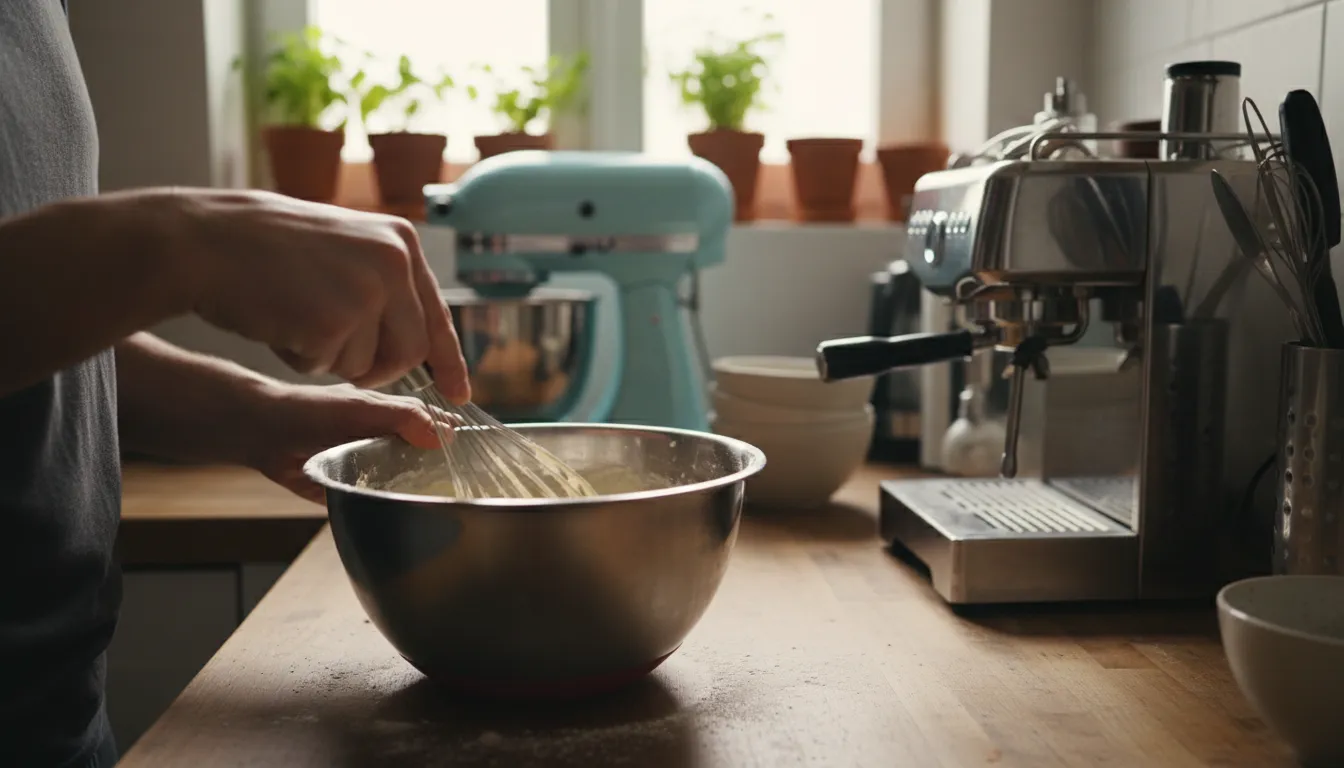
To get your small batch food business off the ground, you’ll need a few essential tools and resources. Here’s a breakdown of what you’ll need:
Kitchen Equipment: Depending on the type of products you plan to make, you may need items like a high-quality blender, food processor, dehydrator, or specialty baking equipment. Make sure to research the specific requirements for your chosen products.
Packaging Supplies: Invest in attractive, food-grade packaging like jars, bottles, bags, and boxes to present your products professionally. Consider incorporating custom labels or other branding elements.
Licensing and Permits: Ensure you obtain the necessary licenses and permits to operate a food business in your local area, such as a food handler’s certificate, cottage food license, or commercial kitchen certification.
Online Marketplace: Platforms like Etsy, Amazon, or your own e-commerce website can provide a convenient way to reach customers and sell your small batch products. Factor in any transaction fees or listing costs.
Local Retail Outlets: Explore opportunities to sell your products through local farmers’ markets, specialty food stores, or other community-based sales channels. This can help you build brand awareness and customer loyalty.
Marketing and Branding: Develop a cohesive brand identity, including a memorable logo, engaging social media presence, and eye-catching product photography. Effective marketing will be key to standing out in the crowded small batch food market.
Key Takeaways
Pros and Cons of Starting a Small Batch Food Business
Pros:
– High-profit margins, with many small batch products commanding a 50-80% markup
– Relatively low start-up costs, with some businesses launched for as little as £100
– Ability to work from home or a small commercial kitchen
– Opportunity to showcase your culinary creativity and passion
– Growing consumer demand for unique, artisanal food products
– Flexible, scalable business model that can be expanded as demand increases
Cons:
– Potential challenges with inventory management and production planning, especially for perishable items
– Compliance with food safety regulations and licensing requirements can be complex
– Significant time and effort required to develop, produce, and market your products
– Competition from other small batch producers and larger, commercial food brands
– Reliance on local or online sales channels, which may be vulnerable to market fluctuations
– Limited shelf life for some products, requiring careful inventory management
Real-World Examples and Case Studies
Example 1: The Spice Merchant
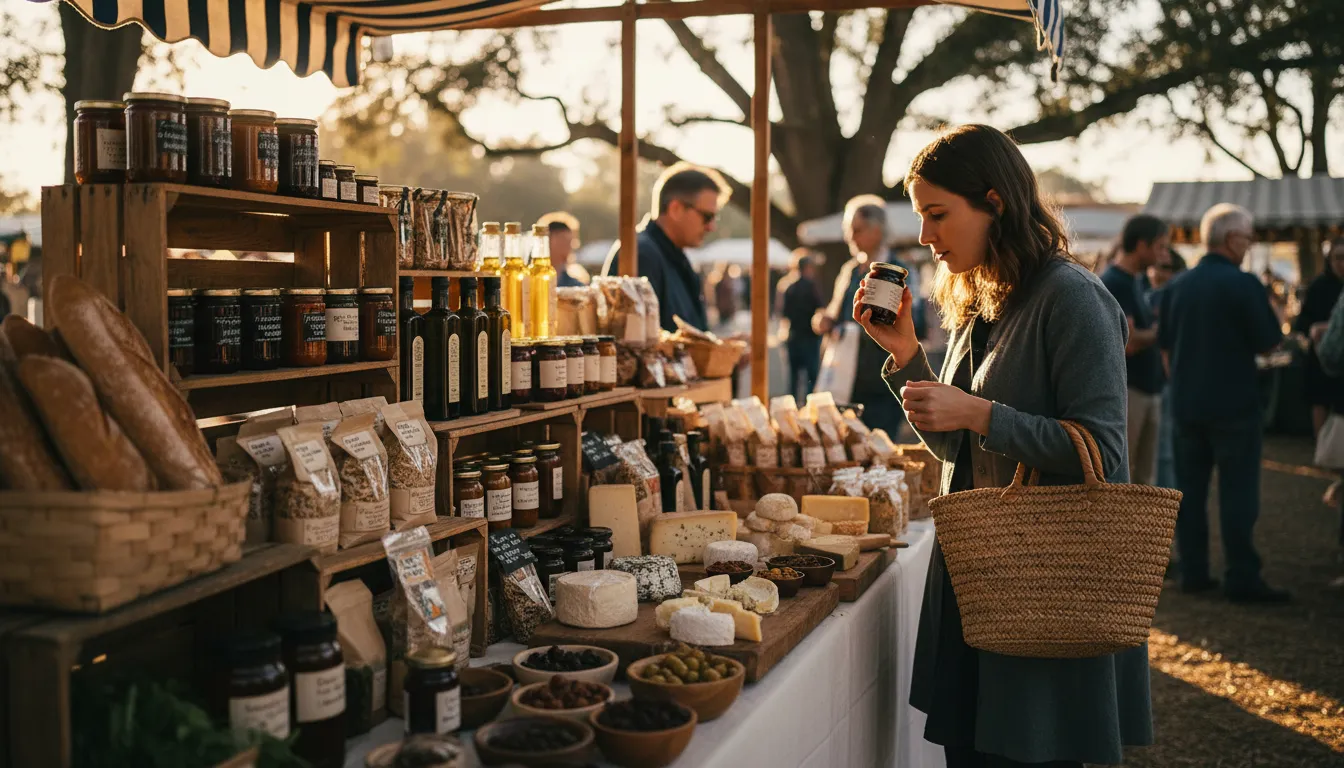
After years of perfecting her signature spice blends, Sarah launched her small batch spice business, The Spice Merchant, from her home kitchen. She started by selling her products at local farmers’ markets and quickly built a loyal following among home cooks and professional chefs. Sarah now sells her premium spice blends through her own e-commerce website, as well as to a network of specialty food stores. With a 65% profit margin and a 12-month shelf life, her business has grown to generate over £50,000 in annual revenue.
Example 2: Artisan Jam Co.
Inspired by her grandmother’s homemade jam recipes, Emma launched Artisan Jam Co., a small batch jam and preserve business. She sources her fruit from local growers and uses traditional, artisanal methods to create unique flavour profiles like blackberry-thyme and raspberry-rose. Artisan Jam Co. products are sold through Etsy, local markets, and a select group of independent food retailers. With a 55% profit margin and a shelf life of 9 months, Emma’s business has expanded to include a line of gift sets and seasonal specialties, generating over £30,000 in annual sales.
Example 3: The Brownie Box
When the COVID-19 pandemic hit, Sophie, a passionate home baker, decided to start a small batch brownie business, The Brownie Box. She developed a range of decadent, handcrafted brownie flavours and began selling them as gift sets through her Etsy shop. The Brownie Box quickly gained a loyal following, with customers praising the rich, fudgy texture and creative flavour combinations. Despite a shorter 3-week shelf life, Sophie’s business has achieved a 60% profit margin and generates over £15,000 in annual revenue, allowing her to work from home and pursue her baking passion.
FAQ
1. What are the start-up costs for a small batch food business?
The start-up costs for a small batch food business can be relatively low, with many entrepreneurs launching their businesses for as little as £100. The key expenses typically include:
– Kitchen equipment and supplies (£50-£500)
– Packaging and labelling materials (£50-£300)
– Licensing and permits (£50-£200)
– Website or online marketplace fees (£0-£300 per year)
– Marketing and branding (£50-£500)
The specific start-up costs will depend on the type of products you plan to make, the equipment needed, and the scale of your initial operations. Many home-based small batch food businesses can start with a minimal investment and gradually scale up as the business grows.
2. How do I price my small batch food products?
When pricing your small batch food products, you’ll want to consider a few key factors:
– Cost of ingredients and materials
– Labour and production time
– Packaging and branding
– Profit margin (typically 50-80% for small batch foods)
– Competitor pricing in the market
– Perceived value and premium positioning of your products
As a general rule of thumb, you’ll want to aim for a 50-80% profit margin on your small batch food items. This will ensure you’re covering your costs and making a healthy return on your investment. Remember to factor in any ongoing expenses, such as marketplace fees or transportation costs, when setting your final prices.
3. Where can I sell my small batch food products?
There are several avenues for selling your small batch food products, including:
– Online marketplaces (e.g., Etsy, Amazon, your own e-commerce website)
– Local farmers’ markets, food festivals, and pop-up events
– Specialty food stores, delis, and independent retailers
– Direct-to-consumer sales through social media or email marketing
– Wholesale to local restaurants, cafes, or catering companies
The best sales channels for your business will depend on your target audience, product type, and overall marketing strategy. Many small batch food producers find success by utilizing a combination of online and offline sales channels to reach a wider customer base.
4. How can I stand out in the crowded small batch food market?
To differentiate your small batch food business, focus on the following strategies:
– Develop unique, innovative products with a strong brand identity
– Source high-quality, artisanal ingredients and emphasize your production methods
– Offer exceptional customer service and a personalized shopping experience
– Leverage social media and content marketing to build an engaged following
– Collaborate with other local food producers or businesses to cross-promote
– Participate in food festivals, competitions, or other industry events
– Seek out press coverage or influencer partnerships to increase visibility
– Continuously gather customer feedback and iterate on your products and brand
By prioritizing quality, creativity, and a deep connection with your target audience, you can establish your small batch food business as a standout player in the market.
Conclusion
The small batch food industry in the UK is ripe with opportunities for home cooks, artisan makers, and budding food entrepreneurs. With growing consumer demand for unique, high-quality products and profit margins as high as 80%, the time is right to transform your culinary passion into a thriving small batch food business.
Whether you dream of crafting gourmet hot sauces, decadent brownie boxes, or signature spice blends, the 10 small batch food business ideas outlined in this guide provide a roadmap to unlocking your kitchen’s income potential. By leveraging the right tools, resources, and marketing strategies, you can build a successful small batch food enterprise that allows you to share your culinary creations with the world.
So, what are you waiting for? Start exploring these small batch food business ideas today and take the first step towards turning your kitchen into a profitable venture. The small batch food market is waiting for your unique touch!
Advertisement
