
Are you a UK home cook with a passion for food, looking to turn your kitchen skills into a profitable small business? You’re in the right place.
In the UK, over 60% of small food businesses start from home kitchens. From artisanal jams to specialty meal kits, the opportunities are endless for aspiring food entrepreneurs.
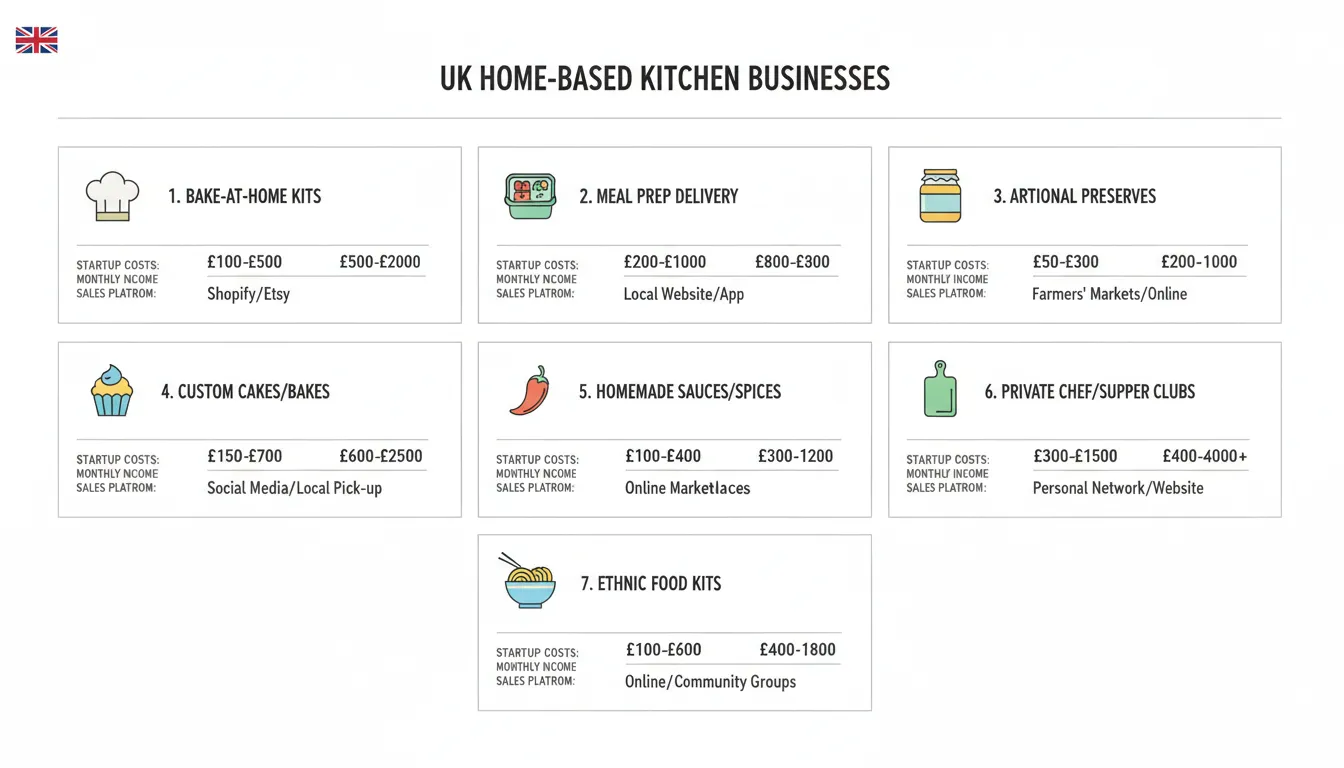
In this comprehensive guide, we’ll explore 7 lucrative small kitchen business ideas you can launch right from your UK home. For each concept, we’ll provide the startup costs, typical monthly income range, and the ideal sales platform to get your business off the ground.
What Are Small Kitchen Businesses?
Small kitchen businesses refer to food-related ventures that are started and operated out of a home kitchen. These enterprises typically have low overhead, flexible schedules, and can be launched with minimal startup capital.
Some of the most popular small kitchen business ideas in the UK include:
– Home bakery
– Meal prep service
– Jam and preserve making
– Hot sauce brand
– Catering for small events
– Specialty coffee roasting
– Meal kit box delivery
The beauty of these small kitchen concepts is that they allow home cooks to monetize their culinary skills and turn their passion into profit. Many entrepreneurs are able to achieve profitability within 1-3 months of launching their venture.
7 Lucrative Small Kitchen Business Ideas
Now, let’s dive into the details of 7 thriving small kitchen business ideas perfect for UK home cooks. We’ll cover the startup costs, typical monthly income range, and the best sales platforms to utilize for each concept.
1. Home Bakery
Startup Costs: £100 – £500
Monthly Income Range: £500 – £2,000+
Best Sales Platform: Local markets, online pre-orders, specialty food shops
Opening a home bakery is one of the most popular small kitchen business ideas in the UK. As a home baker, you can whip up artisanal breads, pastries, cakes, and other baked goods to sell locally or online.
The startup costs are relatively low, as you likely already have the essential baking equipment in your home kitchen. The key is to focus on high-quality, unique recipes that will help your baked goods stand out in the market.
Many home bakers find success selling their products at local farmers markets, through pre-order online platforms, or by partnering with specialty food shops in their area.
2. Meal Prep Service
Startup Costs: £200 – £800
Monthly Income Range: £800 – £3,000+
Best Sales Platform: Local delivery, online pre-orders
Providing a meal prep service is a lucrative small kitchen business idea, especially for health-conscious consumers. As a home cook, you can prepare fresh, nutritious meals in your kitchen and deliver them locally or sell through an online pre-order system.
The startup costs include things like food containers, packaging, and potentially a small delivery vehicle. However, the profit margins can be quite high, as you’re able to leverage your home kitchen setup to prepare meals in bulk.
Many meal prep businesses in the UK find success by targeting busy professionals, families, or fitness-focused customers in their local area.
3. Jam and Preserve Making
Startup Costs: £50 – £300
Monthly Income Range: £300 – £1,500+
Best Sales Platform: Local markets, online pre-orders, specialty food shops
If you have a knack for making delicious jams, chutneys, and preserves, consider turning your skills into a small kitchen business. Artisanal jam and preserve making can be a lucrative venture, with relatively low startup costs.
You’ll need basic equipment like jars, lids, and a water bath canner. The key is to develop unique flavor profiles and high-quality recipes that will appeal to local consumers and specialty food shops.
Many home-based jam and preserve makers find success selling their products at farmers markets, through online pre-order platforms, or by securing wholesale accounts with gourmet food stores in their area.
4. Hot Sauce Brand
Startup Costs: £100 – £500
Monthly Income Range: £500 – £2,000+
Best Sales Platform: Online direct-to-consumer, specialty food shops
Spicy food enthusiasts are always on the lookout for new and exciting hot sauce brands. As a home cook, you can leverage your kitchen to create a line of unique, small-batch hot sauces to sell locally or online.
The startup costs involve basic equipment like bottles, labels, and a commercial kitchen license (typically around £20-£50 from your local council). The profit margins on homemade hot sauces can be quite high, especially if you’re able to secure wholesale accounts with specialty food shops.
Many successful UK hot sauce brands started out in home kitchens, building a loyal following through online direct-to-consumer sales or by partnering with local retailers.
5. Catering for Small Events
Startup Costs: £200 – £1,000
Monthly Income Range: £800 – £3,000+
Best Sales Platform: Local event organizers, online booking
If you have a talent for hosting and serving delicious meals, consider starting a small-scale catering business from your home kitchen. This can be a lucrative venture, especially for events like private parties, corporate functions, or small weddings.
The startup costs include things like food containers, serving equipment, and potentially a small delivery vehicle. However, the profit margins can be quite high, as you’re able to leverage your home kitchen setup to prepare food in bulk.
Many home-based caterers in the UK find success by networking with local event organizers, building an online presence, and offering unique, customized menus to their clients.
6. Specialty Coffee Roasting
Startup Costs: £500 – £2,000
Monthly Income Range: £800 – £3,000+
Best Sales Platform: Online direct-to-consumer, local cafes/restaurants
For the coffee enthusiast, starting a small-batch coffee roasting business from your home kitchen can be a highly profitable venture. By sourcing high-quality beans and developing unique roast profiles, you can create artisanal coffee blends to sell directly to consumers or wholesale to local cafes and restaurants.
The startup costs include a commercial-grade coffee roaster, packaging materials, and potentially a licensed commercial kitchen space. However, the markup on specialty coffee is substantial, allowing you to achieve a healthy profit margin.
Many home-based coffee roasters in the UK find success by building an online direct-to-consumer brand, while also securing wholesale accounts with local cafes and eateries.
7. Meal Kit Box Delivery
Startup Costs: £500 – £2,000
Monthly Income Range: £1,000 – £4,000+
Best Sales Platform: Online subscription, local delivery
Meal kit box delivery services have become increasingly popular in the UK, and you can start your own version right from your home kitchen. By preparing pre-portioned, recipe-ready ingredients, you can offer your customers a convenient, healthy meal solution.
The startup costs involve things like meal prep containers, packaging, and potentially a small delivery vehicle. However, the recurring revenue from a subscription-based model can make this a highly lucrative small kitchen business.
Many home-based meal kit entrepreneurs in the UK find success by targeting health-conscious consumers, families, or busy professionals in their local area, offering a personalized, high-quality product.

Tools and Resources for Small Kitchen Businesses
Starting a small kitchen business in the UK requires a few key tools and resources to get up and running. Here are some essential elements to consider:
Commercial Kitchen License: Depending on your local council regulations, you may need to register your home kitchen as a commercial food preparation space. This typically involves a simple, free registration process.
Food Handling and Safety Training: It’s important to ensure you and any employees have completed the necessary food hygiene and safety training to operate a commercial food business.
Packaging and Labeling Supplies: Invest in high-quality, food-safe packaging materials like jars, bottles, or containers. Ensure your labels comply with UK food labeling regulations.
Online Sales Platform: Many successful small kitchen businesses leverage e-commerce platforms like Shopify, Etsy, or specialty food marketplaces to sell their products online.
Local Delivery or Shipping Services: Depending on your business model, you may need to partner with a local delivery service or explore affordable shipping options to get your products to customers.
Business Insurance: Consider obtaining the appropriate business insurance coverage, such as public liability and product liability insurance, to protect your small kitchen enterprise.
Key Takeaways
Pros and Cons of Small Kitchen Businesses
Launching a small kitchen business from your UK home can be a highly rewarding venture, but it’s important to weigh the potential benefits and drawbacks.
Pros:
– Low startup costs and overhead
– Flexible work schedule
– Ability to monetize your culinary skills
– Potential for high-profit margins
– Opportunity to build a loyal local customer base
Cons:
– Potential space constraints in a home kitchen
– Requirement to obtain a commercial food license
– Strict food safety and hygiene regulations
– Competition from larger, commercial food businesses
– Challenges in scaling production and distribution
Real-World Examples
To inspire your small kitchen business journey, let’s take a look at a few successful UK-based entrepreneurs who have turned their home cooking passions into thriving enterprises:
Jam and Preserve Brand: The Jam Shed
*Startup Costs: £200 | Monthly Income: £1,200 – £2,500*
The Jam Shed was founded by a husband-and-wife team who started making artisanal jams and preserves in their home kitchen. They now sell their products online, at local markets, and to specialty food stores across the UK.
Meal Prep Service: Fuel Kitchen
*Startup Costs: £500 | Monthly Income: £2,000 – £4,000*
Fuel Kitchen is a home-based meal prep business run by a former personal trainer. They offer a range of healthy, ready-to-eat meals for busy professionals and fitness enthusiasts in their local area.
Hot Sauce Brand: The Pepper Pot
*Startup Costs: £300 | Monthly Income: £800 – £2,000*
The Pepper Pot started as a home-based hot sauce venture, with the founder experimenting with unique chili pepper blends in her kitchen. The brand now sells its products online and in select specialty food shops.
FAQs
1. How much money do I need to start a small kitchen business in the UK?
The startup costs for a small kitchen business in the UK can range from as low as £50 to as high as £2,000, depending on the specific concept and equipment needed. Many home cooks are able to launch their ventures with just a few hundred pounds in initial investment.
2. Can I start a food business from my home kitchen in the UK?
Yes, it is possible to start a food business from your home kitchen in the UK, as long as you comply with local council regulations and obtain the necessary commercial food license. Many successful small kitchen businesses operate out of home kitchens.
3. What are the most profitable small kitchen business ideas in the UK?
Some of the most lucrative small kitchen business ideas in the UK include home bakeries, meal prep services, artisanal jam and preserve making, specialty coffee roasting, and meal kit box delivery. These concepts typically offer high-profit margins and can be started with relatively low startup costs.
4. How do I sell my small kitchen business products in the UK?
There are several effective sales channels for small kitchen businesses in the UK, including local farmers markets, online pre-order platforms, specialty food shops, and direct-to-consumer e-commerce. Many entrepreneurs leverage a combination of these channels to reach their target customers.
5. What are the legal requirements for starting a small kitchen business in the UK?
The key legal requirements for starting a small kitchen business in the UK include registering your business with HMRC, obtaining a commercial food license from your local council, and ensuring your kitchen and food preparation processes meet food safety and hygiene standards.
Conclusion
If you’re a UK home cook with a passion for food, there’s never been a better time to turn your culinary skills into a profitable small kitchen business. From artisanal baked goods to specialty meal kits, the opportunities are endless for aspiring food entrepreneurs.
By leveraging your home kitchen setup and focusing on unique, high-quality products, you can launch a thriving small kitchen venture with relatively low startup costs. With the right strategy and execution, you could be on your way to generating £300 to £4,000 per month in additional income.
Ready to unlock the income potential of your UK home kitchen? Get started with one of these 7 lucrative small business ideas today!
Advertisement
