

The digital products market is booming, and for good reason. With zero cost of goods sold (COGS) and the potential for massive profit margins, creating and selling digital products has become an increasingly attractive option for digital creators, online entrepreneurs, and freelancers looking to build a sustainable passive income stream.
According to industry projections, the global digital products market is expected to reach a staggering $7.87 trillion by 2030, with platforms like Etsy, Gumroad, Teachable, and Kajabi leading the charge. From ebooks and digital downloads to online courses and Notion templates, the opportunities to cash in on this lucrative market are abundant.
In this comprehensive guide, we’ll explore the ins and outs of the digital products landscape, offering step-by-step advice on how to create, market, and sell your first profitable digital offering in 2026. Whether you’re a seasoned creator or just starting out, this ultimate guide will equip you with the knowledge and tools you need to thrive in the ever-evolving world of digital entrepreneurship.
What Are Digital Products?
Digital products are any intangible goods or services that can be delivered electronically, without the need for physical inventory or shipping. These products can take many forms, including:
– Ebooks: Downloadable books or guides in popular formats like PDF, EPUB, or Kindle.
– Digital Downloads: Printables, templates, graphics, icons, and other digital assets.
– Online Courses: Educational content delivered through video, audio, or interactive modules.
– Membership Sites: Exclusive, subscription-based access to curated content or communities.
– Notion Templates: Customizable productivity and organization tools built on the Notion platform.
– Audio/Video Products: Podcasts, music, videos, and other multimedia content.
The key advantage of digital products is their scalability. Once created, they can be sold and delivered an unlimited number of times with minimal overhead, resulting in high-profit margins for savvy entrepreneurs.
Why Sell Digital Products in 2026?
The digital products market has been on an upward trajectory for years, and the trend shows no signs of slowing down. Here are some of the top reasons why selling digital products is a smart business move in 2026:
1. Booming Demand: As more people embrace remote work, online learning, and digital-first lifestyles, the demand for high-quality digital products has skyrocketed. This trend is expected to continue well into the future.
2. Zero COGS: Unlike physical products, digital products have zero cost of goods sold (COGS). Once created, they can be sold an unlimited number of times with no additional production or fulfillment costs.
3. Passive Income Potential: Digital products can generate passive income, allowing you to earn money while you sleep. Top creators on platforms like Gumroad have reported earning $500,000 or more in a single year from their digital product sales.
4. Flexibility and Scalability: Digital products are highly scalable, with the ability to reach a global audience without the constraints of physical inventory or shipping. This makes them an attractive option for entrepreneurs and freelancers looking to grow their businesses.
5. Low Barrier to Entry: Creating and selling digital products requires a relatively low upfront investment, making it an accessible option for aspiring entrepreneurs and side hustlers.
6. Diverse Offerings: The digital products market encompasses a wide range of product types, from ebooks and online courses to digital downloads and Notion templates. This diversity allows creators to cater to a variety of niches and target audiences.

Step-by-Step Guide to Creating and Selling Digital Products
Ready to dive into the world of digital entrepreneurship? Follow these step-by-step instructions to create and sell your first profitable digital product in 2026:
1. Identify Your Niche and Target Audience
The first step in creating a successful digital product is to identify a specific niche and target audience. Consider the following questions:
– What are your unique skills, knowledge, or experiences that you can share with others?
– What problems do your potential customers have that you can help solve?
– What digital products are currently trending in your industry or on popular platforms like Etsy and Gumroad?
– Who are your ideal customers, and what are their pain points, interests, and buying behaviors?
By thoroughly understanding your niche and target audience, you’ll be better equipped to create a digital product that resonates with your customers and stands out in a crowded market.
2. Choose Your Digital Product Type
Now that you’ve identified your niche and target audience, it’s time to choose the type of digital product you’ll create. Some of the most popular and profitable options include:
– Ebooks: Compact guides, how-to manuals, or in-depth informational texts that can be sold as PDF, EPUB, or Kindle files.
– Digital Downloads: Printables, templates, graphics, icons, and other digital assets that can be downloaded and used by customers.
– Online Courses: Video-based, interactive educational content that teaches a specific skill or subject matter.
– Membership Sites: Exclusive, subscription-based access to a library of digital content or a private community.
– Notion Templates: Customizable productivity and organization tools built on the Notion platform.
When selecting your digital product type, consider factors such as your expertise, the time and resources required for creation, and the potential market demand.
3. Create Your Digital Product
Once you’ve chosen your digital product type, it’s time to start the creation process. This may involve writing, recording, designing, or developing your content, depending on the nature of your offering.
Here are some tips to help you create a high-quality digital product:
– Research and planning: Thoroughly research your topic, gather relevant information, and create a detailed outline or structure for your product.
– Content creation: Write, record, or design your content with a focus on providing value, clarity, and a seamless user experience.
– Formatting and optimization: Ensure your digital product is properly formatted, optimized for various devices, and easy to navigate.
– Testing and refinement: Gather feedback from beta testers and make any necessary revisions to improve the quality and usability of your product.
Remember, the key to creating a successful digital product is to prioritize the needs and pain points of your target audience. By delivering valuable, high-quality content, you’ll be well on your way to building a loyal customer base.
4. Set Pricing and Distribution
Determining the right pricing and distribution strategy for your digital product is crucial for maximizing your profits and reaching your target audience. Consider the following factors:
– Pricing: Research the pricing of similar digital products in your niche, and price your offering accordingly. Keep in mind that the average price range for ebooks is £7-£30, while online courses can range from £50 to £500 or more.
– Platforms: Evaluate the best platforms to sell your digital product, such as Etsy (for printables, templates, and SVGs), Gumroad (for ebooks, digital downloads, and Notion templates), or Teachable/Kajabi (for online courses).
– Promotion and Marketing: Develop a comprehensive marketing strategy to promote your digital product, including social media, email campaigns, affiliate partnerships, and strategic content creation.
By optimizing your pricing, distribution, and marketing efforts, you’ll be well on your way to maximizing the reach and profitability of your digital product.
5. Continuously Iterate and Improve
The journey of creating and selling digital products is an ongoing process of learning, adapting, and improving. After launching your first product, be sure to:
– Gather customer feedback: Regularly solicit feedback from your customers to identify areas for improvement and potential new product ideas.
– Monitor sales and performance: Track your sales, customer engagement, and other key metrics to identify what’s working well and what needs to be adjusted.
– Iterate and update: Make updates and improvements to your digital product based on customer feedback and performance data, ensuring it remains relevant and valuable.
– Expand your product line: Consider creating additional digital products or variations of your existing offerings to diversify your revenue streams and appeal to a wider audience.
By embracing a mindset of continuous improvement, you’ll be well-positioned to navigate the ever-evolving digital products landscape and build a thriving, sustainable business.
Key Takeaways
Tools and Resources for Creating and Selling Digital Products
To help you get started with creating and selling digital products, here are some essential tools and resources:
Content Creation
– Writing Tools: Grammarly, Hemingway Editor, Google Docs
– Design Tools: Canva, Adobe Creative Cloud, Figma
– Video/Audio Tools: Loom, Audacity, OBS Studio
Product Hosting and Selling
– Ebook/Digital Download Platforms: Gumroad, Etsy, Sellfy
– Online Course Platforms: Teachable, Kajabi, Thinkific
– Membership Site Platforms: Memberful, Podia, MemberPress
Marketing and Promotion
– Email Marketing: MailChimp, Convertkit, Drip
– Social Media: Instagram, Twitter, LinkedIn
– Affiliate Programs: Gumroad, Teachable, JVZoo
Analytics and Reporting
– Sales Tracking: Gumroad Analytics, Etsy Stats, Google Analytics
– Customer Feedback: Typeform, SurveyMonkey, Intercom
By leveraging these tools and resources, you’ll be able to streamline your digital product creation and sales processes, allowing you to focus on delivering exceptional value to your customers.

Pros and Cons of Selling Digital Products
Selling digital products comes with a unique set of advantages and challenges. Let’s take a closer look:
Pros:
1. High Profit Margins: With zero COGS, digital products can offer profit margins of 100% or more, making them a highly lucrative business model.
2. Scalable and Passive Income: Digital products can be sold an unlimited number of times, allowing you to scale your business and generate passive income.
3. Low Overhead: Creating and distributing digital products typically requires minimal upfront investment, making it an accessible option for entrepreneurs and freelancers.
4. Global Reach: Digital products can be sold to customers around the world, without the constraints of physical inventory or shipping.
5. Versatility: The digital products market encompasses a wide range of product types, catering to diverse niches and customer preferences.
Cons:
1. Competition: As the digital products market continues to grow, competition can be fierce, requiring you to constantly innovate and differentiate your offerings.
2. Potential Piracy: Digital products are susceptible to unauthorized copying and distribution, which can impact your sales and revenue.
3. Continuous Improvement: Selling digital products requires an ongoing commitment to updating, improving, and marketing your products to maintain relevance and customer satisfaction.
4. Customer Support: Handling customer inquiries, refunds, and other support-related tasks can be time-consuming and require diligent attention.
5. Platform Fees: Selling digital products through platforms like Etsy or Gumroad may incur transaction fees, which can eat into your profit margins.
By understanding both the pros and cons of selling digital products, you can make informed decisions and develop strategies to mitigate the challenges while maximizing the potential benefits.
Real-World Examples and Case Studies
To illustrate the power and potential of selling digital products, let’s examine a few real-world examples and case studies:
Case Study: Etsy Digital Product Seller
Jane, a graphic designer, has been selling digital downloads on Etsy since 2020. Her most popular products are printable wall art, SVG files, and digital stationery. In her first year, Jane earned an average of $300-$1,000 per month from her Etsy digital product sales. As her product line and marketing efforts have expanded, her monthly income has now reached $5,000-$30,000, making her Etsy shop a thriving passive income stream.
Case Study: Gumroad Creator
John, a productivity expert, has been creating and selling digital products on Gumroad since 2018. His offerings include ebooks, digital downloads, and Notion templates. In 2024, John’s Gumroad creators earned a collective $500 million, demonstrating the significant earning potential of the platform. John’s own monthly income from his Gumroad products now ranges from $3,000 to $10,000, allowing him to focus on his passion for creating valuable content and tools for his audience.
Trending Digital Products: Notion Templates
The rise of the Notion productivity platform has sparked a surge in demand for customizable Notion templates. These digital downloads, which can include everything from project management boards to personal finance trackers, have become a popular product category on platforms like Gumroad and Etsy. Many Notion template creators have reported earning hundreds or even thousands of dollars per month from their digital product sales.
These real-world examples showcase the diverse opportunities available in the digital products market and the potential for building a thriving, passive income-generating business.
Frequently Asked Questions
Q: How much time does it typically take to create a digital product?
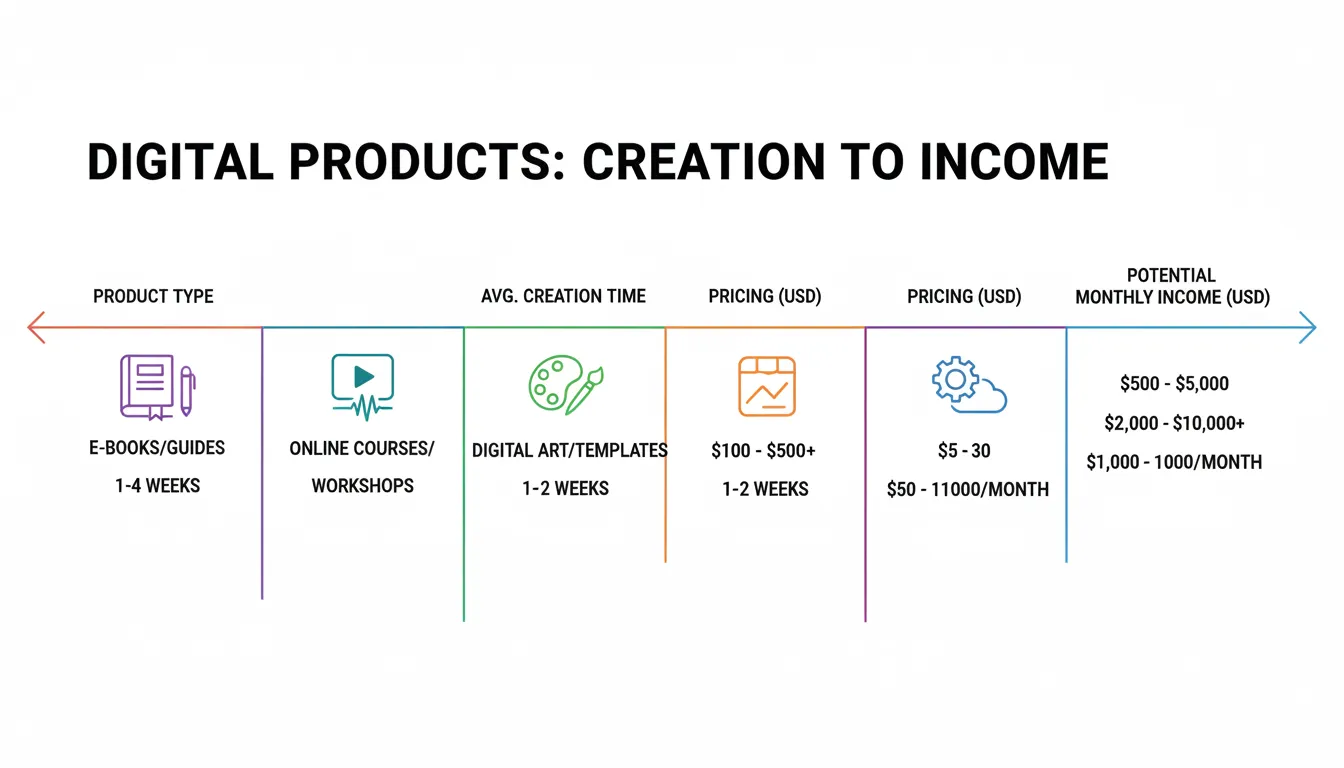
A: The time required to create a digital product can vary significantly depending on the type of product and the creator’s expertise. For example, an ebook or digital download may take 20-40 hours to research, write, and format, while an online course can take 40-100 hours or more to develop comprehensive video content, course materials, and supporting resources. Notion templates can often be created in just a few hours, depending on the complexity.
Q: What are the most profitable digital products to sell in 2026?
A: Based on current trends and industry projections, some of the most profitable digital products to sell in 2026 include:
– Ebooks and digital downloads (average price range: £7-£30)
– Online courses (average price range: £50-£500+)
– Notion templates (average price range: £5-£50)
– Printables, templates, and SVGs sold on Etsy (average price range: £3-£20)
Q: How much can I realistically earn selling digital products?
A: The earning potential for digital product creators can vary widely depending on factors such as your niche, product type, marketing efforts, and platform performance. However, here are some realistic income benchmarks:
– Average Etsy digital seller: £300-£1,000 per month
– Top Etsy digital sellers: £5,000-£30,000 per month
– Average Gumroad creator: £1,000-£5,000 per month
– Top Gumroad creators: £10,000-£50,000+ per month
Q: What are the best platforms to sell digital products in 2026?
A: Some of the top platforms for selling digital products in 2026 include:
– Etsy: Best for printables, templates, SVGs, and other digital downloads
– Gumroad: Ideal for ebooks, digital downloads, Notion templates, and online courses
– Teachable/Kajabi: Specialized platforms for creating and selling online courses
– Membership site platforms (Memberful, Podia, MemberPress): For subscription-based digital content
The choice of platform will depend on the type of digital product you’re selling and your target audience.
Q: How can I market and promote my digital products effectively?
A: Effective marketing and promotion strategies for digital products include:
– Leveraging social media platforms like Instagram, Twitter, and LinkedIn
– Building an email list and nurturing subscribers with valuable content
– Collaborating with relevant influencers, bloggers, or industry experts
– Optimizing your product pages for search engine visibility
– Offering limited-time discounts, bundles, or special promotions
– Implementing affiliate marketing programs to expand your reach
By combining these tactics, you can build brand awareness, attract your target audience, and drive sales for your digital products.
Conclusion
The digital products market is ripe with opportunity in 2026, offering creators, entrepreneurs, and freelancers the chance to build sustainable, passive income streams. By leveraging the power of digital content, you can unlock the potential for high-profit margins, global reach, and the freedom to work on your own terms.
Whether you’re an aspiring digital creator or an experienced entrepreneur, this ultimate guide has equipped you with the
Advertisement
