

In the bustling food landscape of the United Kingdom, an exciting opportunity is emerging for home cooks and food enthusiasts – the chance to turn their culinary passions into a profitable homemade food business. With over 500,000 UK residents already selling their homemade creations, the cottage food industry is thriving, offering a lucrative path to entrepreneurship and financial freedom.
What Is a Cottage Food Business?
A cottage food business, also known as a home-based food business, is a small-scale food production operation run from a home kitchen. Unlike traditional commercial kitchens, cottage food producers are able to prepare and sell certain types of non-potentially hazardous foods, such as baked goods, jams, and confections, directly to consumers.
The rise of this industry has been fueled by a growing demand for locally-sourced, artisanal food products, as well as the increasing popularity of online marketplaces and social media platforms that make it easier than ever for home cooks to reach a wider customer base.
Step-by-Step Guide to Starting a Homemade Food Business in the UK
If you’re ready to transform your culinary talents into a thriving cottage food business, follow these essential steps:
1. Research and Register Your Business
The first step in launching your homemade food venture is to research the legal requirements and register your business with your local council. In the UK, cottage food producers must register with their local authority, which is typically a free and straightforward process.
During the registration process, you’ll need to provide information about the types of food you plan to produce, your kitchen facilities, and any relevant food safety training you’ve completed. It’s also important to familiarize yourself with Natasha’s Law, which came into effect in 2021 and requires full allergen labeling on all pre-packaged food products.
2. Develop Your Product Line
Once you’ve handled the legal and administrative aspects, it’s time to focus on your product line. Successful cottage food businesses in the UK often specialize in baked goods, jams, chutneys, confections, and other non-potentially hazardous foods that have a long shelf life and are easy to produce in a home kitchen.
When determining your product offerings, consider factors such as your personal expertise, customer demand, and profit margins. Baked goods, for example, can have a profit margin of 50-70%, making them a highly lucrative choice for many home-based food entrepreneurs.
3. Establish Your Sales Channels
With your products ready to go, the next step is to establish your sales channels. Cottage food businesses in the UK can leverage a variety of platforms to reach customers, including:
– Online marketplaces like Etsy, Not on the High Street (NOTHS), and local Facebook groups
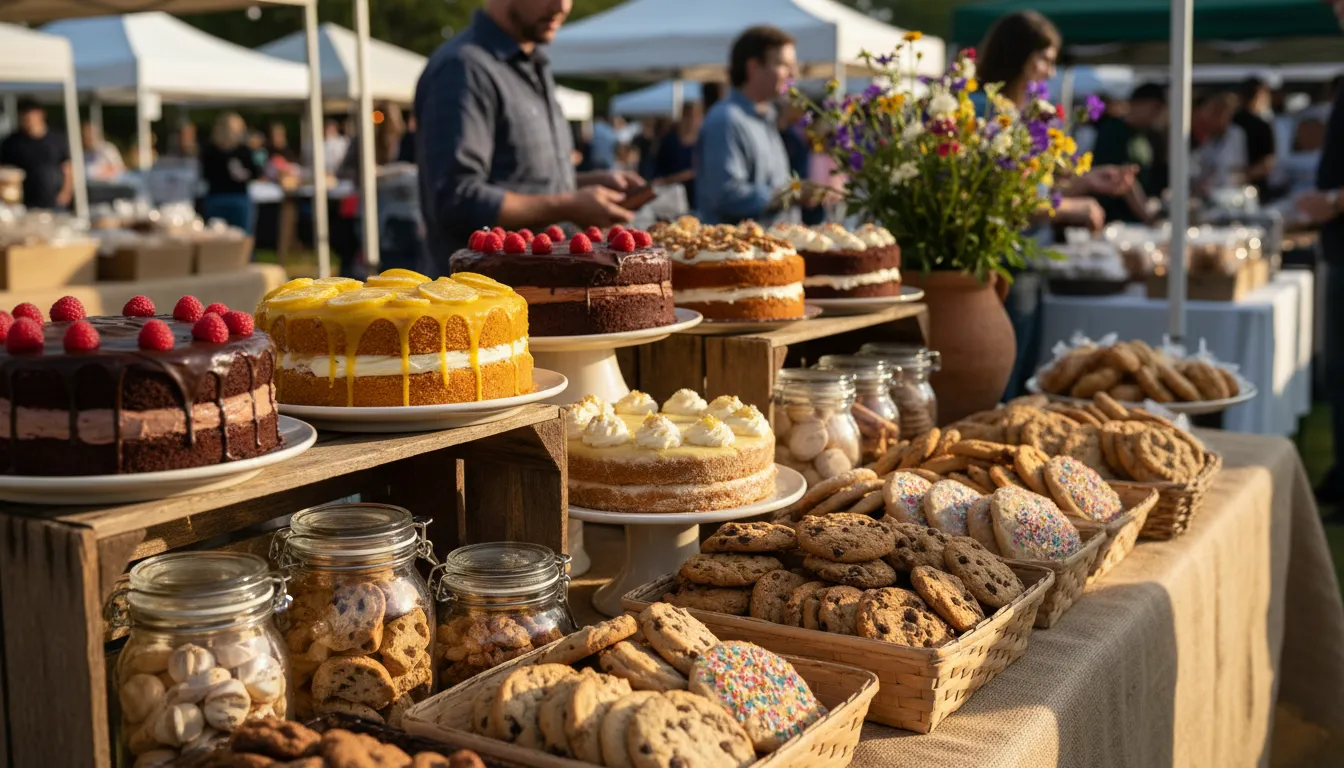
– Farmers markets, food festivals, and other local events
– Direct-to-consumer sales through social media or your own website
When setting up your sales channels, be sure to comply with any relevant regulations, such as obtaining the necessary licenses or permits for selling at farmers markets or other public events.
4. Optimize Your Packaging and Branding
The visual appeal of your homemade food products can have a significant impact on their marketability and perceived value. Invest time and effort into creating eye-catching packaging and branding that reflects the quality and craftsmanship of your offerings.
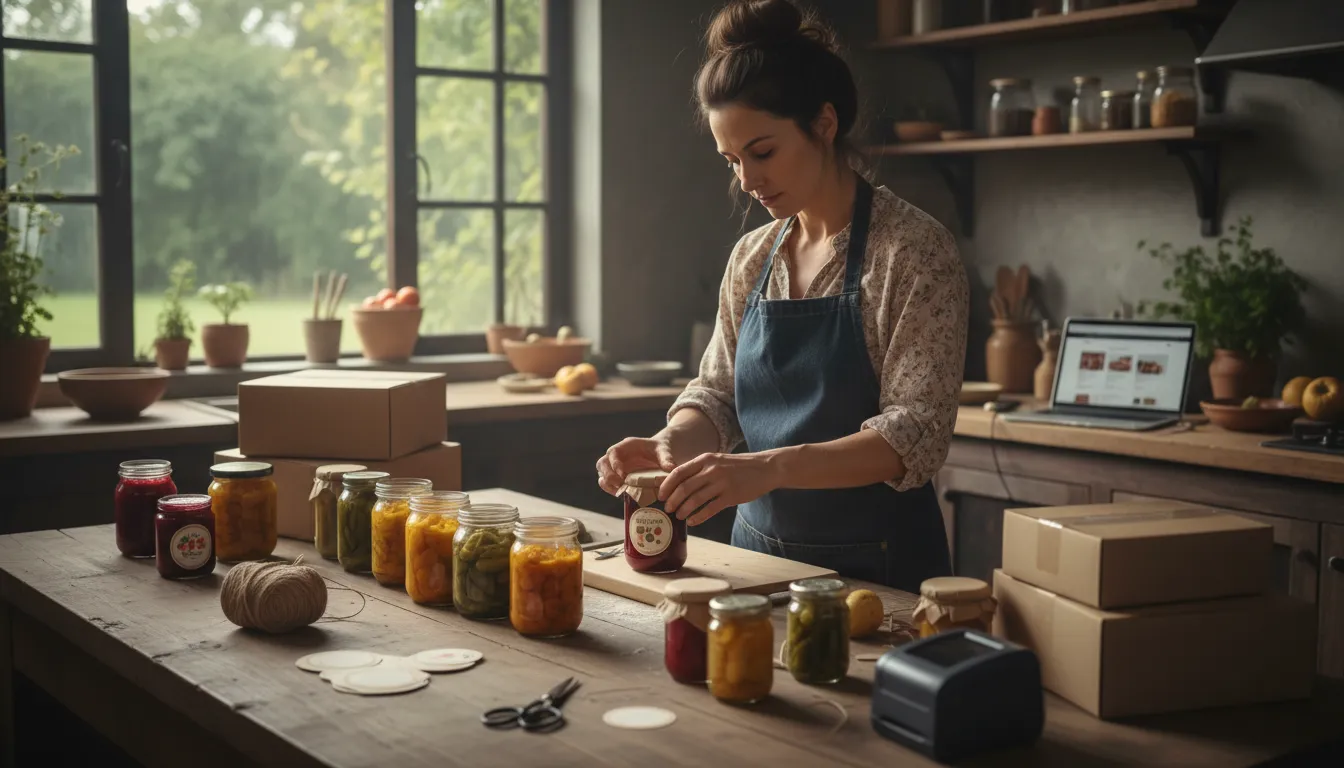
Consider using high-quality materials, such as glass jars or custom-printed labels, to make your products stand out on the shelves. Develop a consistent brand identity that resonates with your target customers and helps to build brand loyalty over time.
5. Promote and Grow Your Business
Finally, it’s time to spread the word about your homemade food business. Leverage social media platforms, targeted online advertising, and local community networks to raise awareness and attract new customers.
Engage with your audience by sharing behind-the-scenes glimpses of your kitchen, highlighting your product features and benefits, and offering exclusive promotions or discounts. As your business grows, consider expanding your product line, exploring new sales channels, or even renting a dedicated commercial kitchen space to increase your production capacity.
Tools and Resources for Cottage Food Businesses in the UK
Starting a homemade food business in the UK can be made easier with the help of a variety of online tools and resources, including:
– Food business registration tools from your local council
– Packaging and labeling suppliers, such as Packmaster or Labelmakers
– Online marketplaces like Etsy, NOTHS, and local Facebook groups
– Food photography and product styling services
– Business accounting and invoicing software
The cost to start a cottage food business in the UK can vary widely depending on factors such as your product line, marketing strategy, and the scale of your operations. However, many home-based food entrepreneurs have reported earning anywhere from £300 to £1,500 per month, with the potential for even higher earnings as their businesses grow.
Pros and Cons of Selling Homemade Food in the UK
Pros:
– Low startup costs and overhead
– Flexible work schedule and opportunity to work from home
– Ability to turn your culinary passion into a profitable venture
– Growing demand for locally-sourced, artisanal food products
– Potential for high-profit margins (50-70%)
Cons:
– Compliance with food safety regulations and Natasha’s Law
– Limited production capacity in a home kitchen
– Potential challenges in scaling the business
– Competition from larger commercial food producers
– Ensuring consistent quality and food safety across all products
Real-World Examples of Successful UK Cottage Food Businesses
One inspiring example of a thriving UK cottage food business is The Jam Shed, founded by former corporate executive Samantha Jameson. After leaving her high-stress job, Samantha started making small-batch jams and preserves in her home kitchen, which she sold through local markets and online channels. Within a few years, her business had grown to include a range of products, a dedicated commercial kitchen, and a loyal customer base.
Another success story is that of Katie Potts, a stay-at-home mom who started a cottage food business selling homemade baked goods and meal kits. By leveraging platforms like Etsy and Facebook, Katie was able to build a thriving enterprise that now earns her over £1,000 per month, allowing her to supplement her family’s income while maintaining a flexible work-life balance.
These examples demonstrate the real potential for home cooks and food enthusiasts to turn their culinary talents into profitable businesses, with the right strategies and dedication.
FAQ: Selling Homemade Food in the UK
1. What types of homemade food can I sell in the UK?
In the UK, cottage food producers can typically sell non-potentially hazardous foods such as baked goods, jams, chutneys, confections, and other shelf-stable items. However, it’s important to check with your local council regarding any specific restrictions or requirements in your area.
2. Do I need any special licenses or permits to sell homemade food in the UK?
Yes, all cottage food businesses in the UK must register with their local council, which is typically a free and straightforward process. You may also need to obtain additional permits or licenses depending on your sales channels, such as for selling at farmers markets or other public events.
3. How much can I expect to earn from a cottage food business in the UK?
The earning potential for a cottage food business in the UK can vary widely, but many home-based food entrepreneurs report earning between £300 to £1,500 per month. Top-selling products like baked goods and preserves can have profit margins of 50-70%, making them highly lucrative options.
4. What are the legal requirements for labeling and packaging homemade food products in the UK?
As of 2021, Natasha’s Law requires all pre-packaged food products sold in the UK to include full allergen labeling, including the 14 major allergens. Cottage food producers must ensure that their packaging and labeling comply with these regulations.
5. How can I effectively market and sell my homemade food products online?
Leveraging online marketplaces like Etsy and Not on the High Street (NOTHS) can be an effective way to reach a wider customer base. Additionally, building a strong social media presence, creating a professional-looking website, and engaging with local community groups can all help to promote your homemade food business.
Conclusion
The cottage food industry in the UK presents a lucrative opportunity for home cooks, food enthusiasts, and aspiring entrepreneurs to turn their culinary passions into profitable businesses. By following the steps outlined in this guide – from registering your business to developing your product line and establishing sales channels – you can embark on an exciting journey to make money selling homemade food.
Remember, the key to success in this industry lies in staying up-to-date with regulations, focusing on high-demand products with strong profit margins, and continuously optimizing your marketing and branding efforts. With dedication, creativity, and a bit of entrepreneurial spirit, you can join the ranks of the thousands of UK residents who are already thriving in the thriving homemade food business.
So why not start your journey today? Discover the freedom and fulfillment of being your own boss and turning your culinary dreams into a sustainable source of income. The possibilities are endless – all it takes is the first step.
Advertisement
