

What Are Moneymaking Kitchen Projects?
Moneymaking kitchen projects refer to food-based side hustles and small businesses that home cooks and home-based entrepreneurs can launch using their existing kitchen setup. These projects leverage your cooking expertise, unique recipes, and access to commercial-grade kitchen equipment to create high-quality, in-demand food products that can be sold online, at local markets, or through specialty retailers.
Unlike traditional employment, moneymaking kitchen projects allow you to be your own boss, set your own hours, and tap into a growing consumer demand for artisanal, locally-sourced food items. With the right know-how and a bit of entrepreneurial spirit, your kitchen can become a hub of profitable activity.
10 Lucrative Moneymaking Kitchen Projects for UK Home Cooks
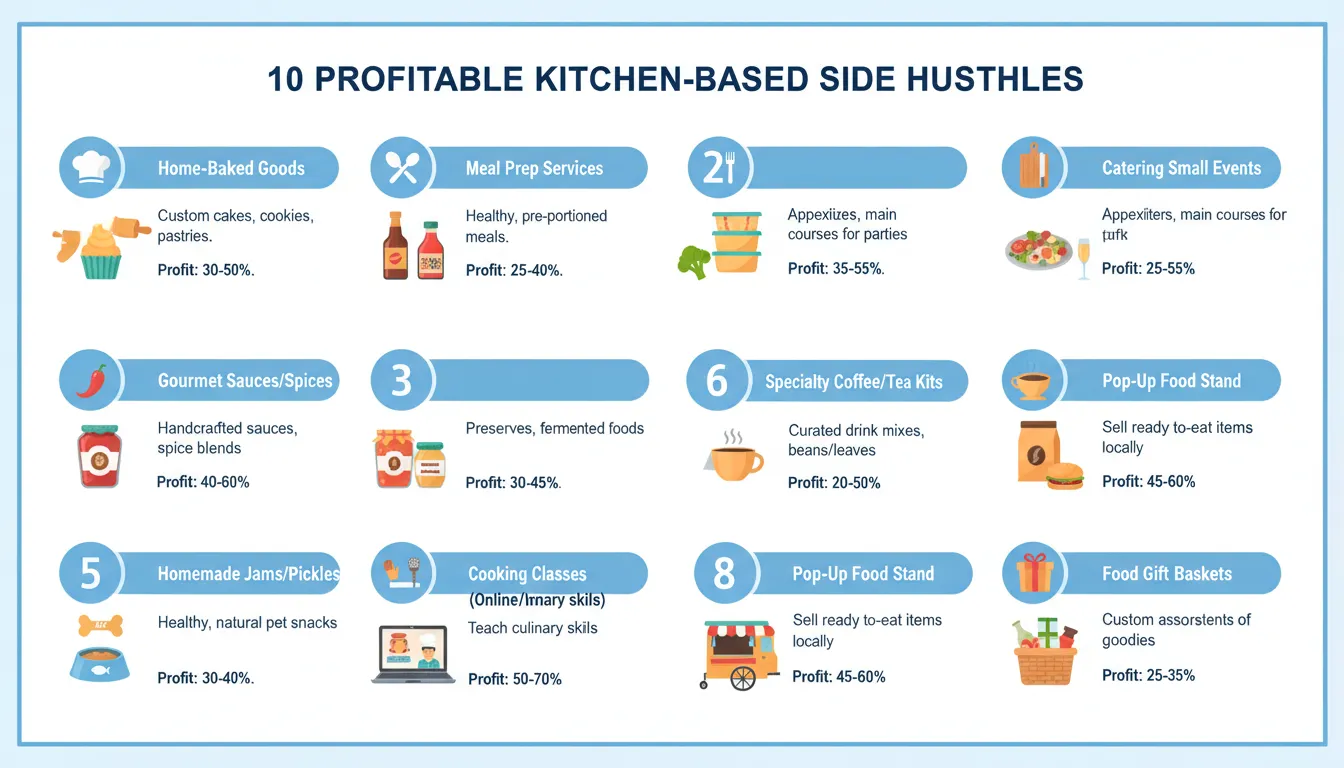
Ready to turn your culinary talents into a thriving side hustle or small business? Here are 10 profitable kitchen project ideas to consider:
1. Homemade Jams and Preserves
Profit Margin: 50–70%
Jams, marmalades, and other fruit preserves are perennial favorites among home cooks and food enthusiasts. By sourcing fresh, seasonal produce and leveraging family recipes, you can craft high-quality jams with wide market appeal. Sell them online, at local markets, or to specialty retailers.
2. Gourmet Sauces and Condiments
Profit Margin: 45–65%
From classic tomato sauces to unique flavor fusions, homemade sauces and condiments are a lucrative kitchen project. Develop signature recipes that showcase your culinary creativity and leverage local ingredients. Bottle them attractively and sell through multiple channels.
3. Artisanal Spice Blends
Profit Margin: 55–70%
Elevate home cooking with your own custom spice blends. Research trending flavour profiles, source premium dried herbs and spices, and experiment with unique seasoning mixes. Package them beautifully, and sell online or at specialty food markets.
4. Baked Goods and Sweet Treats
Profit Margin: 40–60%
Tap into the demand for homemade, preservative-free baked goods by offering specialty cookies, cakes, pies, and other sweet treats. Develop signature recipes and build a loyal customer base through online sales, local deliveries, or farmers’ market stalls.
5. Gourmet Granola and Muesli
Profit Margin: 50–65%
Wholesome, artisanal granola and muesli blends are hugely popular among health-conscious consumers. Craft your own unique recipes using high-quality, nutrient-dense ingredients, and package them attractively for online or in-person sales.
6. Meal Prep Kits
Profit Margin: 45–60%
Help time-strapped home cooks by offering pre-portioned, chef-curated meal prep kits. Develop a selection of easy-to-prepare, nutritious recipes, and provide all the necessary ingredients (pre-washed, chopped, and measured) for a hassle-free cooking experience. Sell online with delivery or through local pickup.
7. Specialty Nut Butters
Profit Margin: 50–65%
Nut butters are a versatile kitchen staple, and consumers are increasingly seeking out premium, artisanal varieties. Experiment with unique flavor’s and ingredient combinations, and package your homemade nut butters for online or in-person sales.
8. Infused Olive Oils and Vinegars
Profit Margin: 55–70%
Elevate home cooking with your own infused olive oils and flavored vinegars. Infuse high-quality oils and vinegars with herbs, spices, and other natural ingredients to create gourmet products with wide appeal. Sell online or through local markets and specialty food shops.
9. Handcrafted Pasta and Sauces
Profit Margin: 45–60%
Freshly made pasta and accompanying sauces are a hit with home cooks who appreciate the taste and texture of homemade. Develop your own signature pasta shapes and sauce recipes, and sell them as artisanal food products.
10. Specialty Baking Mixes
Profit Margin: 50–65%
Simplify home baking by offering your own specialty baking mixes. Create unique blend recipes for cakes, breads, cookies, and other treats, and package them attractively for online or in-person sales.

Tools and Resources for Kitchen-Based Businesses
To get your moneymaking kitchen project off the ground, you’ll need access to the right tools and resources. Here’s a breakdown of the essentials:
Kitchen Equipment: Depending on the scale of your operation, you may need commercial-grade appliances, food processors, jars/bottles, and packaging supplies. Consider your projected production volume when investing in equipment.
Ingredients and Supplies: Source high-quality, fresh ingredients from local suppliers or wholesalers. Ensure you have ample stock of any specialty items required for your recipes.
Branding and Packaging: Develop an attractive, cohesive brand identity for your products. Invest in custom labels, jars, boxes, and other packaging materials to make your items stand out.
Online Selling Platforms: Leverage platforms like Etsy, Not on the High Street, and your own e-commerce website to sell your products directly to consumers. These channels allow you to reach a wider audience.
Local Market Stalls: Participate in farmers’ markets, food festivals, and other community events to connect with local customers and build brand awareness.
Licensing and Permits: Under the UK’s Food Safety Act 1990, all food businesses (including home-based ones) must register with their local council and comply with relevant food safety regulations. Research the specific requirements for your area and product types.
Key Takeaways
Pros and Cons of Moneymaking Kitchen Projects
Pros:
– Low startup costs compared to a traditional business
– Flexible hours and work-life balance
– Opportunity to turn your culinary passion into profit
– Growing consumer demand for artisanal, locally-sourced food
– Ability to build a loyal customer base and brand reputation
Cons:
– Compliance with food safety regulations and licensing requirements
– Potential challenges in scaling production and meeting demand
– Competition from established food brands and manufacturers
– Maintaining consistent quality and food safety across batches
– Time-consuming nature of sourcing ingredients, prepping, and packaging

Real-World Examples and Case Studies
Jane, 35, London
*Homemade Jam and Chutney Business*
After being made redundant from her office job, Jane decided to pursue her lifelong passion for preserving. She started experimenting with family recipes and sourcing fresh, seasonal produce to create premium jams and chutneys. Jane now sells her products through her own e-commerce website, local markets, and specialty food shops, earning an average of £1,500 per month.
Tom, 42, Manchester
Artisanal Spice Blend Venture
Tom, a self-taught home cook, developed a line of unique spice blends inspired by his travels. Using high-quality dried herbs and spices, he crafted signature seasoning mixes that quickly gained a loyal following. Tom now sells his products online, at local food festivals, and through a handful of independent retailers, generating around £800 per month in revenue.
Sarah, 28, Bristol
Gourmet Granola Business
After experimenting with healthy granola recipes in her kitchen, Sarah decided to turn her creation into a business. She sources organic, locally-grown ingredients to make her premium granola blends, which she sells through her Etsy shop and at weekly farmers’ markets. Sarah’s granola business brings in an average of £1,200 per month.
FAQ
1. Do I need a commercial kitchen to start a moneymaking kitchen project?
No, you don’t necessarily need a commercial kitchen setup to launch a home-based food business. However, you will need to ensure your home kitchen meets the required food safety standards and regulations set out by your local council. This may include obtaining the necessary licenses and permits.
2. How much money can I realistically make from a moneymaking kitchen project?
The income potential for kitchen-based side hustles and small businesses can vary widely, but many home cooks in the UK report earning between £200 and £2,000 per month, depending on the scale of their operations. Factors like product pricing, production volume, and marketing efforts will all impact your earnings.
3. What are the most common sales channels for homemade food products?
The most popular sales channels for homemade food products in the UK include online platforms like Etsy and Not on the High Street, local farmers’ markets and food festivals, and specialty food shops or delis. Many successful kitchen-based entrepreneurs also sell directly to customers through their own e-commerce websites.
4. Do I need specific insurance for my moneymaking kitchen project?
Yes, it’s recommended to have the appropriate insurance coverage for your home-based food business. This typically includes public liability insurance and product liability insurance to protect you in case of any accidents or issues related to your products. Check with your local council or industry associations for guidance on the specific insurance requirements.
5. How do I price my homemade food products competitively?
When pricing your homemade food products, consider factors like your ingredient costs, packaging expenses, time spent on production, and desired profit margins. A good rule of thumb is to aim for a 40-70% profit margin, which will allow you to price your items competitively while still generating a healthy income. Research your local market and competitors to ensure your pricing is in line with the going rates.
Conclusion
The UK’s thriving home food business sector presents a wealth of opportunities for creative, entrepreneurial home cooks to turn their kitchen skills into profitable side hustles and small enterprises. By leveraging in-demand product ideas, leveraging online and local sales channels, and navigating the regulatory landscape, you can transform your culinary passion into a rewarding moneymaking venture.
Ready to take the leap and start your own moneymaking kitchen project? Explore the 10 lucrative ideas we’ve outlined, and let your entrepreneurial spirit and culinary expertise guide you to success. With the right strategy and execution, your kitchen can become a hub of profitable activity and a source of long-term financial freedom.
Advertisement
