

The world of digital content creation and monetization is constantly evolving, and the YouTube platform remains at the forefront of these transformations. In 2023, YouTube launched its highly anticipated Shopping affiliate program in India, offering creators a new avenue to diversify their income streams. As we look ahead to 2026, it’s crucial for Indian creators to understand the eligibility requirements, setup process, and potential earnings of this innovative program.
What Is the YouTube Shopping Affiliate Program?
The YouTube Shopping affiliate program is a feature that allows creators in select regions, including India, to directly tag and link products within their video content. When viewers click on these product tags, they are redirected to the corresponding retailer’s website, where they can make a purchase. The creator then earns a commission on any sales generated through their affiliated product links.
This program is a game-changer for Indian creators, as it opens up new revenue opportunities beyond traditional YouTube monetization methods, such as AdSense and Super Chats. By seamlessly integrating product recommendations and links into their videos, creators can tap into the growing e-commerce market and provide value to their audience while earning a share of the sales.
Eligibility Requirements for the YouTube Shopping Affiliate Program in India
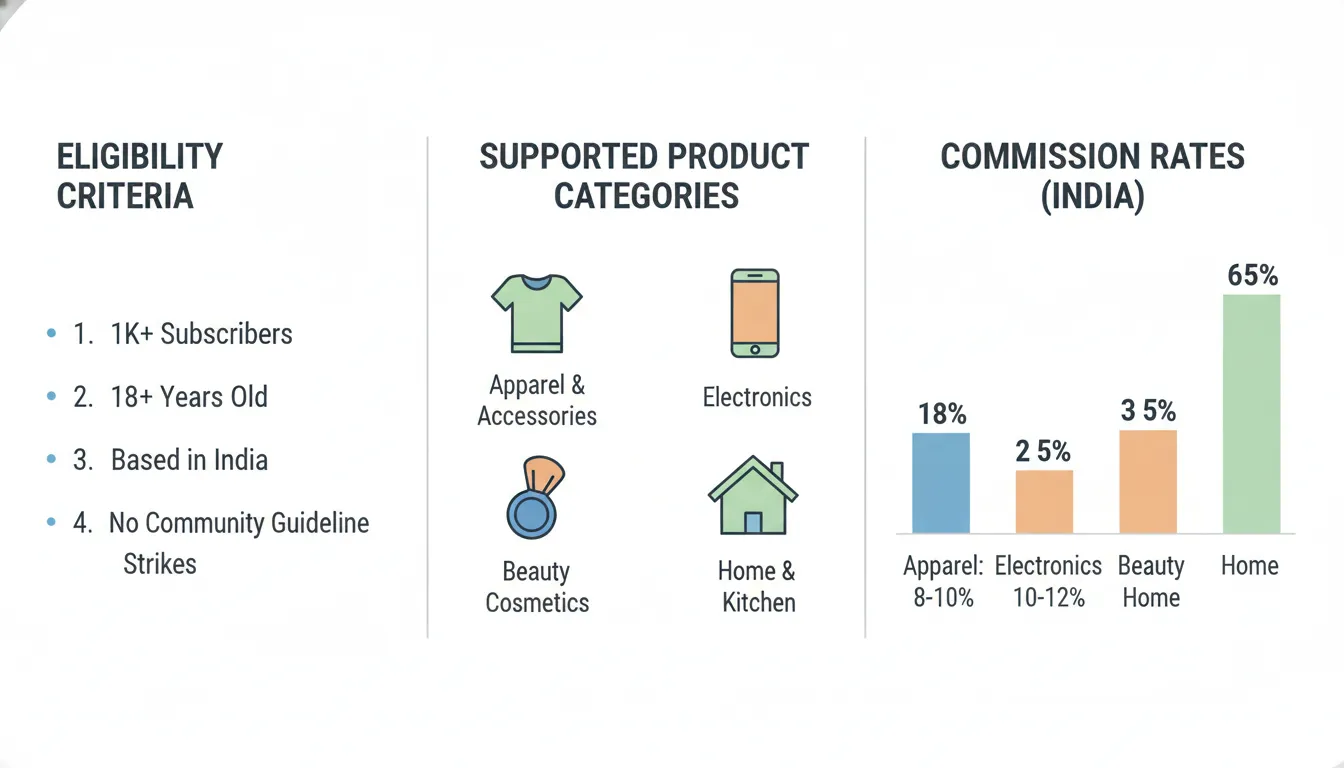
To be eligible for the YouTube Shopping affiliate program in India, creators must meet the following criteria:
1. Subscriber Count: You must have at least 10,000 subscribers on your YouTube channel.
2. YouTube Partner Program (YPP) Membership: Your channel must be a part of the YouTube Partner Program, which means you have met the minimum requirements for monetization.
3. Content Suitability: Your channel must not be set to “made for kids” and must feature content that is suitable for the YouTube Shopping program.
It’s important to note that the YouTube Shopping program is currently in a phased rollout, and not all creators in India may have immediate access to the feature. The platform is gradually expanding the availability of the program, so if you don’t see the Shopping tab in your YouTube Studio dashboard, it’s worth checking back periodically for updates.
Setting Up the YouTube Shopping Affiliate Program
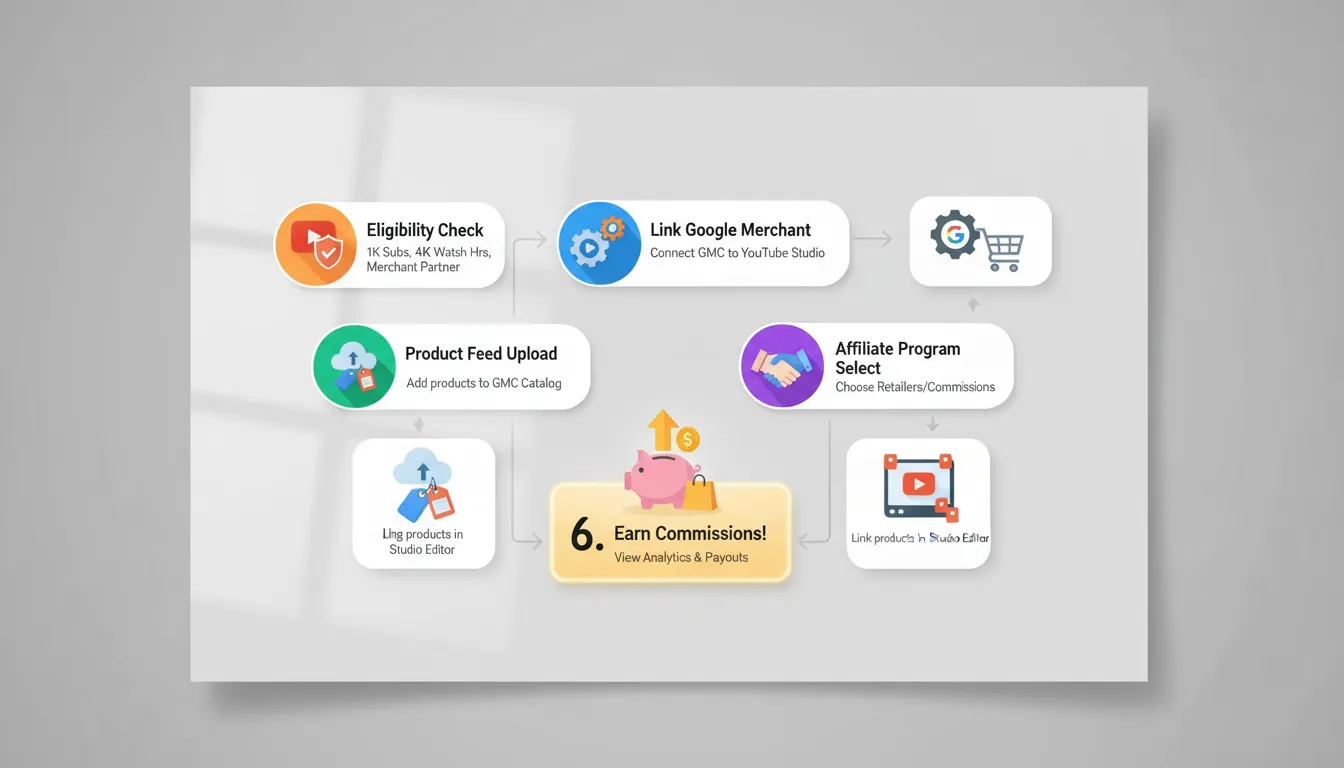
Once you’ve confirmed that you meet the eligibility criteria, the process of setting up the YouTube Shopping affiliate program in India is relatively straightforward. Here’s a step-by-step guide:
1. Enable the YouTube Shopping Feature: Log in to your YouTube Studio dashboard and navigate to the “Shopping” tab. Click on the “Get started” button to begin the setup process.
2. Connect Your Retailer Accounts: The program currently supports integration with leading Indian e-commerce platforms, such as Flipkart. You’ll need to connect your account with the desired retailer(s) and grant the necessary permissions.
3. Optimize Your Product Catalog: Ensure that the products you want to feature in your videos are properly listed and categorized within the retailer’s platform. This will make the tagging and linking process more seamless.
4. Tag Products in Your Videos: Once the setup is complete, you can start tagging products directly within your video content. This can be done during the video editing process or even after the video has been published.
5. Monitor and Analyze Performance: Keep a close eye on the performance of your product tags, including the click-through rates and conversion rates. This will help you refine your product selection and tagging strategies over time.
It’s worth noting that the specific setup process may evolve as the YouTube Shopping program continues to develop in India. Be sure to check the latest guidelines and instructions provided by YouTube to ensure a smooth and effective implementation.
Key Takeaways
Potential Earnings from the YouTube Shopping Affiliate Program
The commission rates for the YouTube Shopping affiliate program in India can vary depending on the product category. Here’s a breakdown of the current rates:
– Fashion and Beauty: 10-20% commission
– Electronics: 5-10% commission
– Home and Garden: 5-10% commission
The actual earnings you can generate will depend on several factors, including:
– The popularity and demand for the products you feature
– The conversion rate of your product tags
– The average order value of your referred sales
– The competitiveness of the product categories you target
It’s important to understand that the YouTube Shopping program is still relatively new in India, and the market dynamics may change over time. However, early adopters who can effectively integrate product recommendations into their content and build strong relationships with their audience are poised to reap the benefits of this lucrative monetization opportunity.

Pros and Cons of the YouTube Shopping Affiliate Program
Pros:
1. Diversified Income Streams: The YouTube Shopping affiliate program provides creators with a new revenue source beyond traditional YouTube monetization methods.
2. Seamless Integration: The ability to directly tag and link products within video content offers a seamless user experience for viewers.
3. Flexible Product Selection: Creators can choose from a wide range of product categories to feature, allowing them to cater to their audience’s interests.
4. Commission-Based Earnings: Creators earn a commission on every sale generated through their product tags, providing a performance-based revenue model.
Cons:
1. Eligibility Restrictions: The program has specific subscriber and content requirements that not all creators may meet initially.
2. Ongoing Program Rollout: The gradual rollout of the YouTube Shopping program in India means that not all creators may have immediate access to the feature.
3. Competition and Saturation: As more creators join the program, the competition for popular product categories and audience attention may increase.
4. Retailer Dependency: Creators are reliant on the integration and performance of the participating retailer platforms, which can impact their overall earnings.
Real-World Examples and Case Studies
To illustrate the potential of the YouTube Shopping affiliate program in India, let’s explore a few real-world examples:
1. Fashion and Beauty Vlogger: Priya, a successful fashion and beauty vlogger with 15,000 subscribers, has been an early adopter of the YouTube Shopping program. By tagging and linking various clothing, accessories, and beauty products in her videos, Priya has seen a significant increase in her monthly earnings, with a 15% commission rate on average.
2. Tech Reviewer: Aditya, a popular tech reviewer with over 50,000 subscribers, has leveraged the YouTube Shopping program to showcase the latest electronic devices and accessories. By effectively integrating product links and recommendations, Aditya has been able to generate an additional 10% of his total YouTube revenue from the affiliate program.
3. Home Decor Influencer: Neha, a home decor enthusiast with a growing channel of 20,000 subscribers, has found great success in the Home and Garden category of the YouTube Shopping program. By showcasing furniture, home accessories, and DIY project supplies, Neha has been able to earn a 7% commission on referred sales, complementing her other monetization efforts.
These examples illustrate the diverse opportunities available to Indian creators across various content niches. By strategically leveraging the YouTube Shopping affiliate program, they have been able to enhance their overall earnings and provide valuable product recommendations to their engaged audiences.
Frequently Asked Questions (FAQs)
1. How long does the YouTube Shopping program approval process take in India?
The approval process can vary, but most creators report receiving a decision within 2-4 weeks of submitting their application. The timeframe may depend on the volume of applications and the platform’s review process.
2. Can I use the YouTube Shopping program on both my main channel and secondary channels?
Yes, as long as each channel meets the eligibility requirements, you can set up the YouTube Shopping program across multiple channels under your YouTube account.
3. What happens if a product I’ve tagged in a video is no longer available?
YouTube allows you to update or remove product tags if the items become unavailable or are discontinued. It’s important to regularly review and maintain your tagged products to provide the best user experience.
4. Can I use the YouTube Shopping program in conjunction with other affiliate marketing programs?
Absolutely! The YouTube Shopping program can be used alongside other affiliate marketing efforts, such as promoting products through your channel’s description or end screens. However, it’s crucial to disclose any affiliate relationships to your audience.
5. Is there a limit to the number of products I can tag in a single video?
There is no specific limit, but YouTube recommends keeping the number of product tags reasonable and relevant to the content. Excessive or irrelevant product tagging may negatively impact the viewer experience and could result in restricted access to the program.
Conclusion
The YouTube Shopping affiliate program in India presents an exciting opportunity for creators to diversify their income streams and provide even more value to their audience. By understanding the eligibility requirements, setting up the program effectively, and strategically integrating product recommendations, Indian creators can unlock new levels of monetization success in 2026 and beyond.
If you’re an aspiring or established creator in India, make sure to stay up-to-date with the latest developments in the YouTube Shopping program and explore how it can enhance your overall content strategy and earnings. Join our newsletter to receive the latest insights and updates on this and other essential YouTube monetization trends.
Advertisement
