
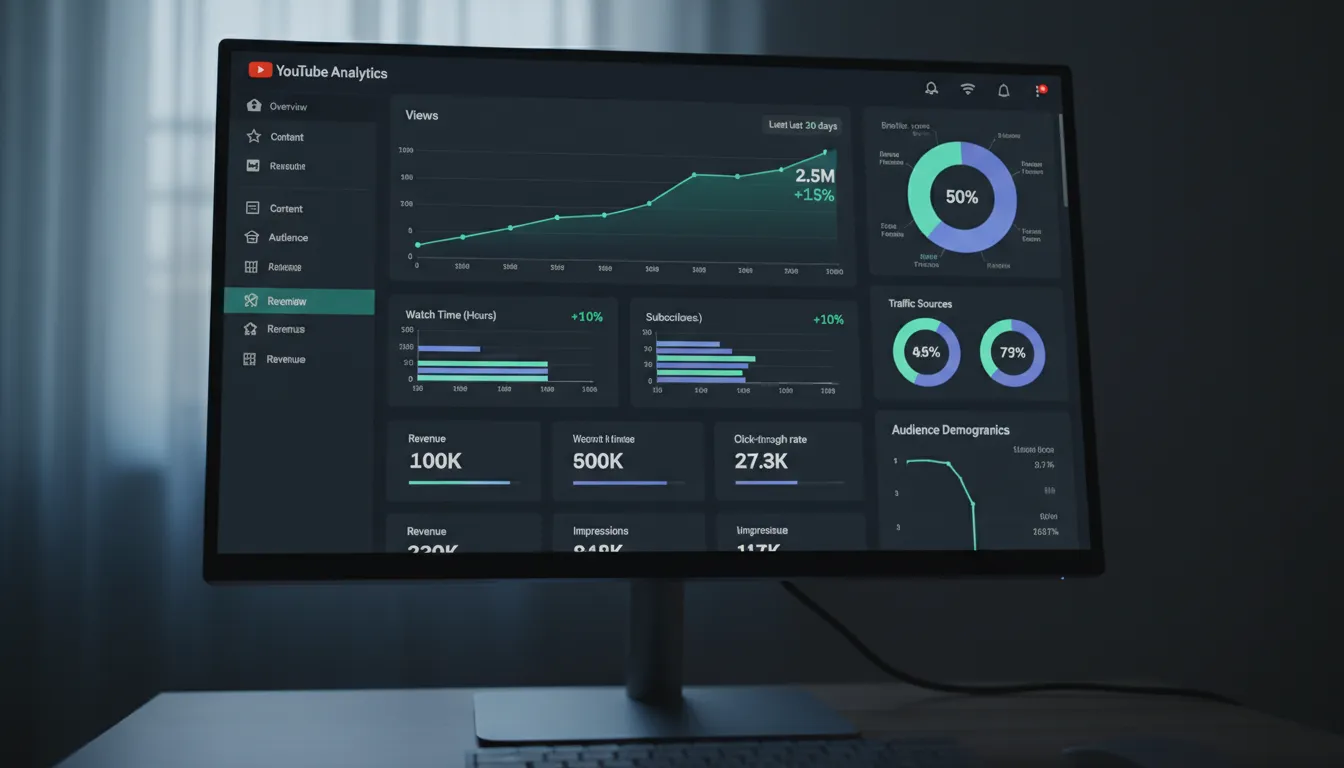
In the ever-evolving world of digital content creation, the topic of YouTube automation has been a subject of much debate and uncertainty. As we approach 2026, many faceless channel builders are wondering: is YouTube automation still a viable strategy, and what are the potential legal and monetization risks involved?
What Is YouTube Automation?
YouTube automation refers to the process of leveraging various tools and techniques to streamline the creation, optimization, and distribution of video content on the platform. This can include the use of AI-powered video generation, automated video editing, and programmatic content scheduling and promotion.
The key objective of YouTube automation is to increase efficiency, scale, and profitability for channel owners, especially those operating faceless channels or managing large content portfolios. However, the legality and monetization eligibility of these practices have been a constant concern for creators.
The Evolving YouTube Landscape in 2026
YouTube’s policies and guidelines have undergone significant changes over the years, and 2026 is no exception. The platform has become increasingly stringent in its content moderation and monetization eligibility criteria, with a focus on promoting high-quality, authentic, and engaging content.
Some of the key policy updates that channel builders need to be aware of include:
1. Mass-Produced Content Restrictions: YouTube’s Terms of Service (ToS) explicitly prohibit the creation of “mass-produced” or “repetitive” content without meaningful commentary or added value.
2. Misleading Metadata: The platform has cracked down on the use of misleading titles, tags, and descriptions that do not accurately reflect the content of the video.
3. Reused Content Policy: In January 2025, YouTube updated its reused content policy, stating that content generated solely by AI or automation, without any original narration or meaningful commentary, is at risk of demonetization.
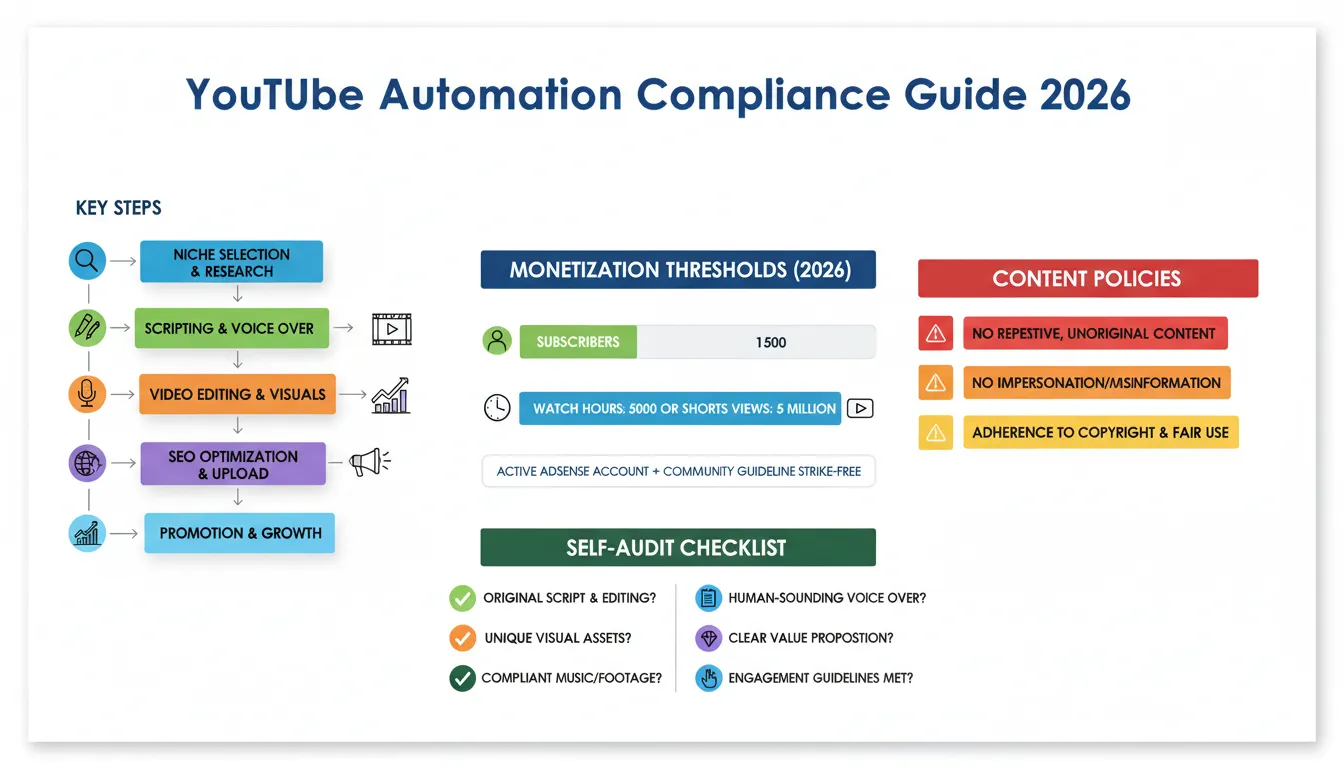
4. Monetization Eligibility: To be eligible for YouTube’s Partner Program (YPP) and monetization, channels must now meet the threshold of 1,000 subscribers and 4,000 watch hours, or 10 million Shorts views.
These policy changes have significant implications for the legality and profitability of YouTube automation strategies in 2026.
Is YouTube Automation Legal in 2026?
The legality of YouTube automation in 2026 largely depends on the specific techniques and practices employed by channel builders. According to YouTube’s Creator Academy guidelines, automation is considered legal when:
1. The creator maintains control over the editorial direction and decision-making process.
2. The narration or voiceover is original and adds meaningful value to the content.
3. The automated content is not simply a replication or repurposing of existing information, but rather provides a unique perspective or added value.
In essence, YouTube automation is permissible as long as the creator retains creative control and the content itself is genuinely valuable and engaging for the audience.
Key Takeaways
Monetization Risks and Compliance Checklist
While YouTube automation can be a powerful tool for scaling content production, it also carries significant monetization risks. The platform’s updated policies, particularly around reused content and misleading metadata, have made it crucial for channel builders to ensure strict compliance.
To help you navigate the legal and monetization landscape of YouTube automation in 2026, here’s a 7-point compliance checklist:
1. Editorial Control: Ensure that you, as the creator, maintain full control over the editorial direction and decision-making process for your automated content.
2. Original Narration: Provide unique, original narration or voiceover that adds genuine value and commentary to the automated content.
3. Meaningful Value-Add: Ensure that your automated content goes beyond simply repurposing or replicating existing information and provides a unique perspective or additional value.
4. Accurate Metadata: Avoid using misleading titles, tags, or descriptions that do not accurately reflect the content of your videos.
5. Monetization Thresholds: Verify that your channel meets the minimum requirements for YPP eligibility, including 1,000 subscribers and 4,000 watch hours (or 10 million Shorts views).
6. Reused Content Policy: Carefully review and adhere to YouTube’s updated reused content policy, ensuring that your automated content does not risk demonetization.
7. Ongoing Monitoring: Regularly monitor your channel’s performance and compliance with YouTube’s evolving policies to identify and address any issues promptly.
By following this compliance checklist and staying up-to-date with YouTube’s guidelines, faceless channel builders can leverage automation strategies while mitigating the legal and monetization risks in 2026.
Tools and Resources for Compliant YouTube Automation
To help you build a successful and compliant YouTube automation strategy, here are some tools and resources to consider:
1. AI-Powered Video Generation: Tools like Synthesia, Rephrase.ai, and Murf.ai offer AI-driven video creation capabilities that can generate custom, narrated content.
2. Automated Video Editing: Video editing software like Premiere Pro, Final Cut Pro, and DaVinci Resolve offer automation features to streamline the editing process.
3. Scheduling and Promotion Tools: Platforms like Hootsuite, Buffer, and Sprout Social can help you schedule and distribute your content across multiple channels.
4. Channel Auditing and Analytics: Tools like TubeBuddy, vidIQ, and YouTube Analytics can provide insights and recommendations for optimizing your channel’s performance.
5. YouTube Creator Academy: Refer to YouTube’s official Creator Academy for up-to-date guidelines, best practices, and training resources on building a compliant and successful channel.
Pros and Cons of YouTube Automation in 2026
Pros:
1. Increased Efficiency and Scalability: Automation can help you streamline content creation, optimization, and distribution, allowing you to scale your YouTube presence more effectively.
2. Cost Savings: Automating repetitive tasks can lead to significant cost savings, as you’ll require fewer human resources to manage your channel.
3. Consistency and Reliability: Automated workflows can ensure a steady and reliable flow of content, helping to maintain a strong presence on the platform.
Cons:
1. Compliance Risks: Failure to adhere to YouTube’s policies and guidelines around automation and reused content can result in demonetization or channel strikes.
2. Lack of Authenticity: Overreliance on automation may lead to a perceived lack of authenticity and personal touch in your content, which can negatively impact viewer engagement.
3. Limited Creativity: Automation may limit your ability to experiment and incorporate unique creative elements into your videos, potentially making your content less engaging or differentiated.
Real-World Examples and Case Studies
To illustrate the potential benefits and pitfalls of YouTube automation in 2026, let’s explore a few real-world examples:
Case Study 1: Successful Automation Strategy
John, a faceless channel builder, leveraged a combination of AI-powered video generation, automated editing, and scheduling tools to manage a portfolio of 50 YouTube channels. By maintaining strict editorial control, providing original narration, and ensuring that his content added genuine value, John was able to grow his channels while remaining compliant with YouTube’s policies. As a result, he was able to consistently meet the monetization thresholds and generate a stable passive income stream.
Case Study 2: Automated Channel Demonetized
Sarah, a novice channel builder, decided to automate her content creation process by using AI-generated scripts and text-to-speech voiceovers. While this approach initially allowed her to rapidly produce a large volume of videos, she failed to provide meaningful commentary or unique value-add. After several months, YouTube flagged her channel for violating the reused content policy, and she faced demonetization, ultimately losing a significant portion of her potential earnings.
These examples highlight the importance of understanding and adhering to YouTube’s evolving policies, as well as the need to maintain a balanced approach between automation and authentic, value-driven content creation.
FAQ
1. Can I use AI-generated scripts or text-to-speech voiceovers in my YouTube videos?
Yes, you can use AI-generated scripts or text-to-speech voiceovers, but you must ensure that your content still adheres to YouTube’s guidelines. Specifically, you need to provide original narration or commentary that adds genuine value to the video.
2. What is the current monetization threshold for YouTube channels?
To be eligible for YouTube’s Partner Program (YPP) and monetization, your channel must have at least 1,000 subscribers and 4,000 watch hours, or 10 million Shorts views.
3. How often does YouTube update its policies and guidelines?
YouTube regularly updates its policies and guidelines to address emerging trends and concerns. It’s crucial for channel builders to stay up-to-date with these changes, as non-compliance can lead to demonetization or even channel strikes.
4. Can I purchase views or engage in other forms of artificial engagement to boost my channel’s performance?
No, purchasing views, likes, or other forms of artificial engagement is strictly prohibited by YouTube’s policies. This type of activity is considered “gaming the system” and can result in severe penalties, including channel termination.
5. How can I ensure that my automated content is compliant with YouTube’s reused content policy?
To ensure compliance with the reused content policy, make sure that your automated content provides original commentary, unique insights, or added value beyond simply repurposing existing information. Regularly review YouTube’s guidelines and monitor your channel’s performance to identify and address any potential issues.
6. What are some best practices for building a successful and compliant faceless YouTube channel?
Some key best practices include maintaining editorial control, providing original narration, ensuring your content adds genuine value, using accurate metadata, consistently monitoring your channel’s performance, and staying up-to-date with YouTube’s evolving policies.
7. Can I use stock footage or licensed content in my automated YouTube videos?
Yes, you can use stock footage or licensed content in your automated videos, as long as you have the necessary rights and permissions, and the content is properly attributed. However, be mindful that the majority of your video should still consist of original, value-added content.
Conclusion
As we approach 2026, the legality and monetization potential of YouTube automation remain a complex and ever-evolving landscape. By understanding the platform’s policies, embracing a balanced approach between automation and authentic content creation, and adhering to a strict compliance checklist, faceless channel builders can leverage the power of automation while mitigating the legal and monetization risks.
Remember, the key to success in the world of YouTube automation in 2026 is to prioritize quality, originality, and genuine value-add for your audience. By doing so, you can build a thriving and sustainable YouTube presence that stands the test of time.
Advertisement
