

In the ever-evolving world of online content monetization, the YouTube Shopping affiliate program has emerged as a game-changer for creators seeking to diversify their income streams. With the program’s continued expansion and the growing consumer demand for seamless shopping experiences, the 2026 eligibility requirements have become a crucial consideration for any YouTuber looking to capitalize on this lucrative opportunity.
What is the YouTube Shopping Affiliate Program?
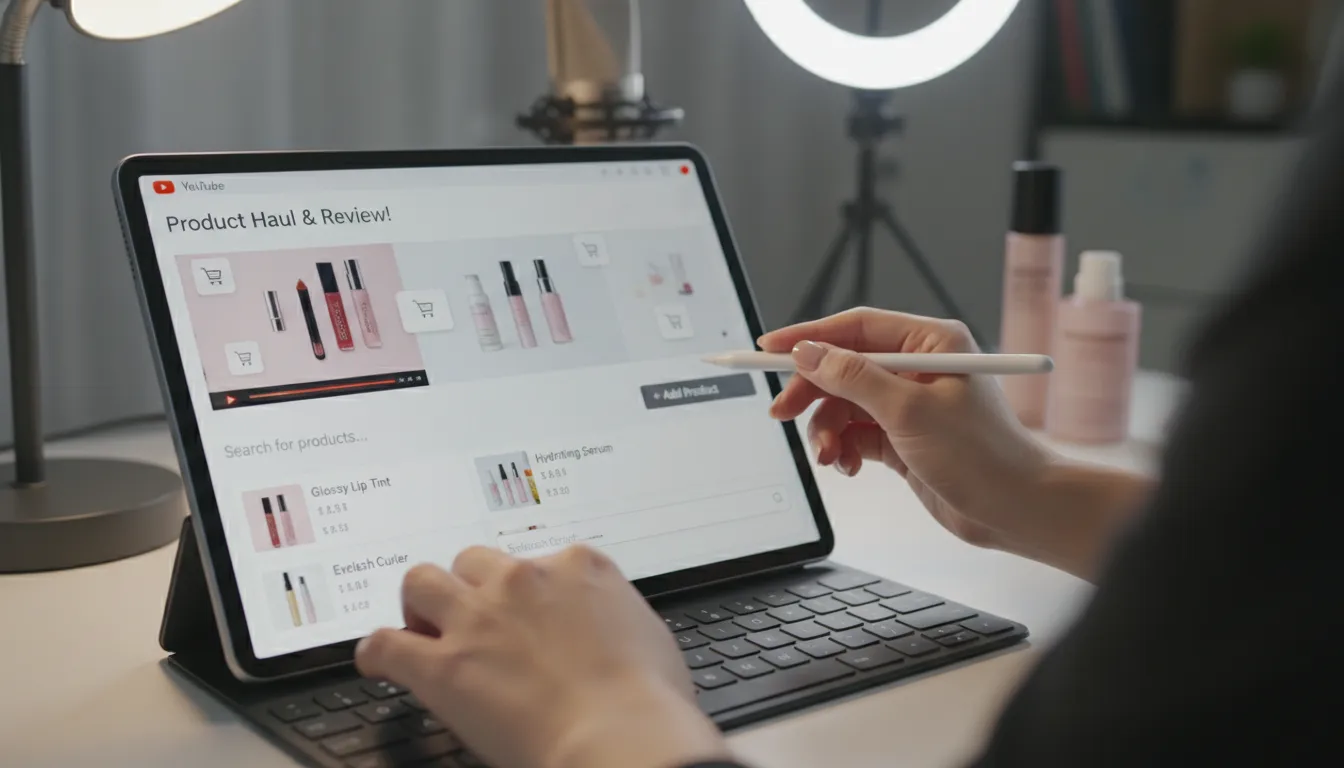
The YouTube Shopping affiliate program allows creators to integrate product links and tags directly into their video content, enabling viewers to purchase items with a simple click. By leveraging this program, creators can earn commissions on any resulting sales, providing a powerful way to monetize their influence and engage their audience.
YouTube Shopping Eligibility Requirements for 2026
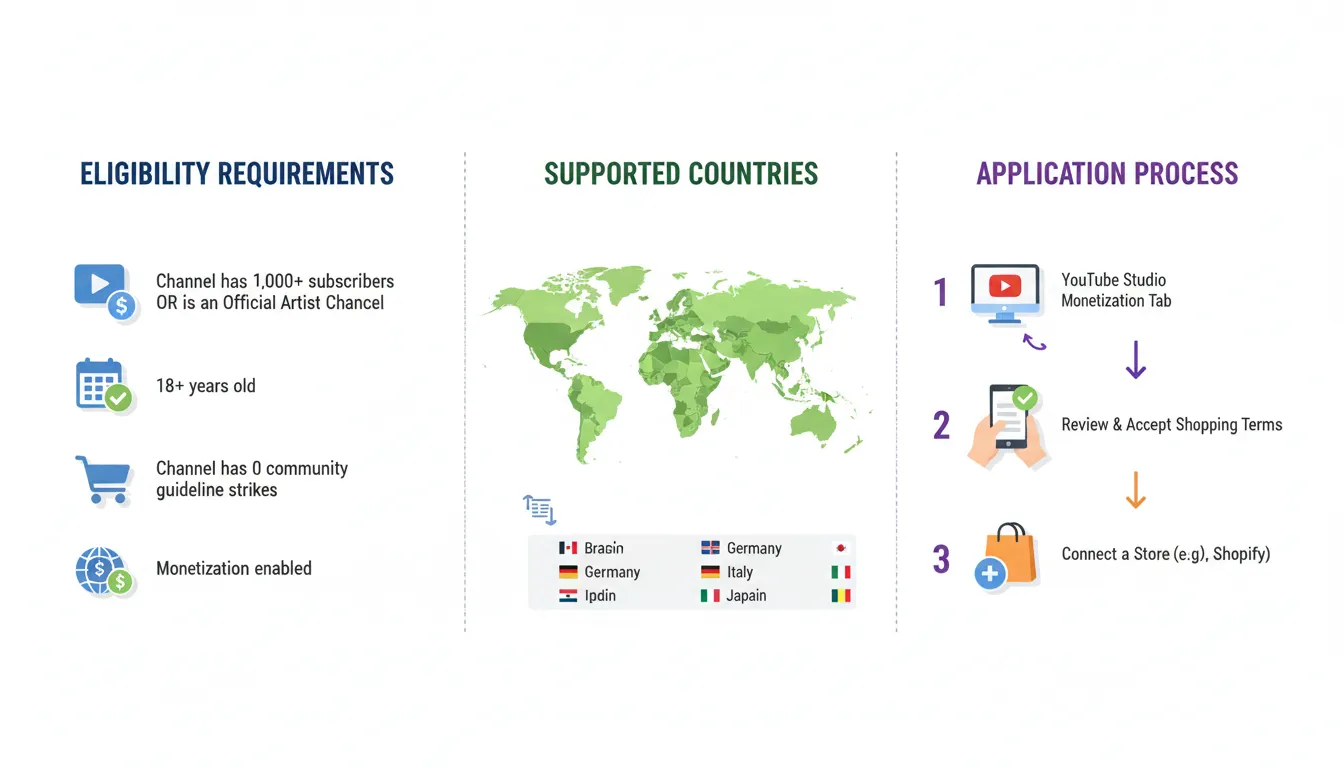
To be eligible for the YouTube Shopping affiliate program in 2026, creators must meet the following criteria:
1. YouTube Partner Program (YPP) Membership: Creators must be active members of the YouTube Partner Program, which requires a minimum of 1,000 subscribers and 4,000 watch hours in the last 12 months.
2. Channel Subscriber Count: Creators must have a minimum of 10,000 subscribers on their channel.
3. Content Suitability: Channels must not be set to “made for kids” and must comply with YouTube’s content policies to ensure a safe and suitable shopping experience for viewers.
4. Merchant Agreement Compliance: Creators must agree to and comply with the terms and conditions set forth by the supported merchants and retailers in their respective countries.
Supported Countries in 2026
As of 2026, the YouTube Shopping affiliate program is available in the following countries:
1. United States
2. United Kingdom
3. Canada
4. Australia
5. India
6. Brazil
7. South Korea
It’s important to note that the supported retailers and product categories may vary depending on the creator’s country of residence. For example, creators in the US will have access to a wider selection of retailers compared to other regions.
Key Takeaways
Step-by-Step Guide to Setting Up YouTube Shopping
1. Ensure Eligibility: Verify that your channel meets the 2026 eligibility requirements outlined above.
2. Link Your Merchant Accounts: Connect your YouTube channel to the supported merchant accounts in your country, such as Amazon, ASOS, or John Lewis (for UK creators).
3. Enable Product Tagging: Activate the product tagging feature within your YouTube Studio, which allows you to add shoppable product links directly to your videos, Shorts, and livestreams.
4. Optimize Your Content: Strategically incorporate relevant products into your video content, ensuring a seamless integration that enhances the viewer experience rather than disrupting it.
5. Monitor and Analyze: Regularly review your YouTube Shopping performance metrics, including click-through rates, conversion rates, and revenue generated, to continuously optimize your approach.
Tools and Resources for YouTube Shopping Creators
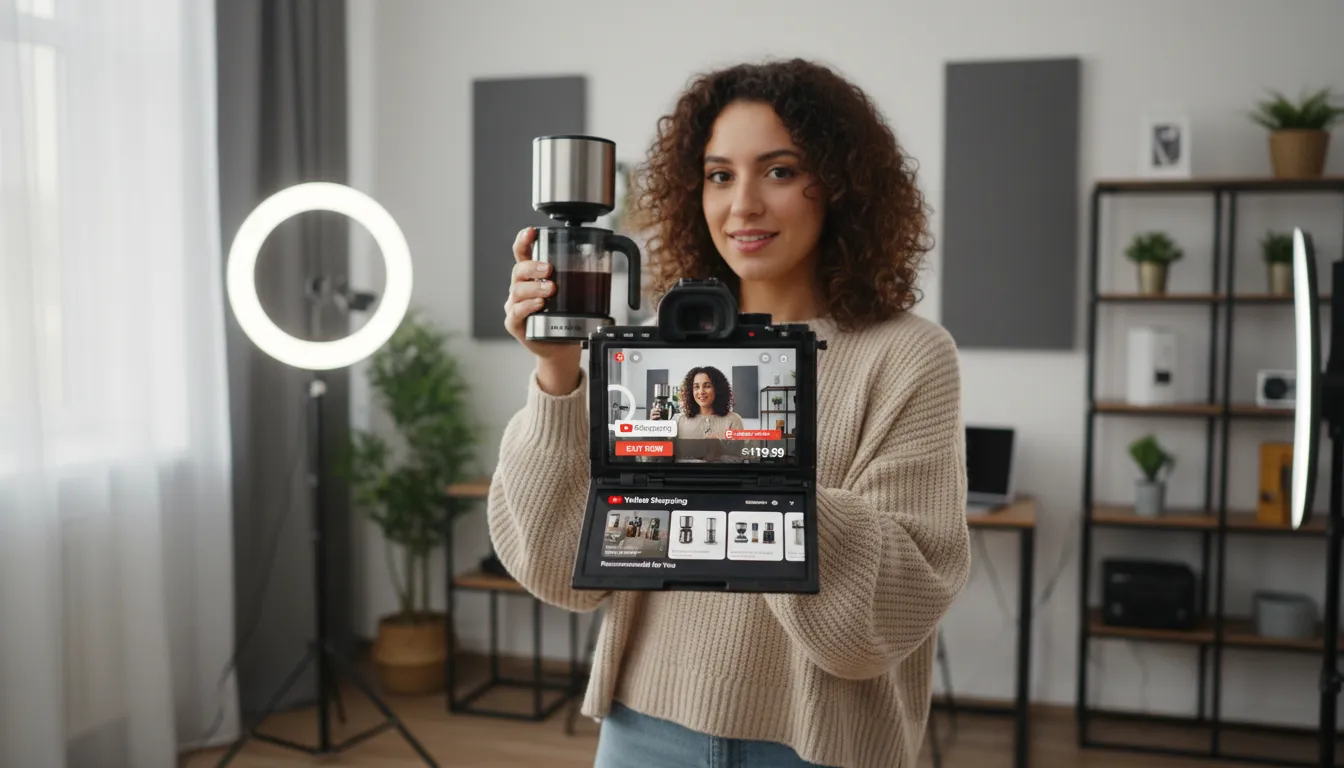
To help you navigate the YouTube Shopping affiliate program, here are some essential tools and resources:
1. YouTube Shopping Insights: Utilize the built-in analytics within your YouTube Studio to track the performance of your shoppable content.
2. Product Recommendation Tools: Leverage AI-powered tools that can suggest relevant products to feature based on your video topics and audience interests.
3. Affiliate Link Shorteners: Use link shortening services to create clean, branded affiliate links for your product tags, improving the user experience.
4. Content Planning Templates: Incorporate product tagging and shopping features into your content planning process using customizable templates.
Pros and Cons of the YouTube Shopping Affiliate Program
Pros:
– Diversify your income streams beyond AdSense
– Leverage your audience’s purchasing power
– Provide a more seamless shopping experience for viewers
– Receive commissions on sales generated through your content
– Potentially increase watch time and engagement
Cons:
– Additional time and effort required to integrate product tags
– Stricter content policies and merchant agreement compliance
– Limited to specific supported countries and retailers
– Potential for viewer fatigue or perception of over-commercialization
Real-World Examples and Case Studies
1. Beauty Vlogger Success: Jane, a popular beauty vlogger, has been able to generate over $50,000 in affiliate revenue from the YouTube Shopping program in 2026. By strategically featuring product recommendations in her tutorials and haul videos, she has seen a significant increase in both click-through rates and conversion rates.
2. Tech Reviewer Monetization: John, a tech enthusiast with a growing channel, has leveraged the YouTube Shopping program to complement his review content. By tagging the products he discusses, he has been able to earn commissions on sales, contributing to a substantial portion of his overall channel revenue.
3. Lifestyle Influencer Expansion: Emily, a lifestyle influencer, has expanded her monetization strategy by incorporating the YouTube Shopping program into her content. By featuring products that align with her audience’s interests, she has seen a notable increase in viewer engagement and has been able to diversify her income streams beyond traditional sponsorships.
Frequently Asked Questions
1. How long does it take to get approved for the YouTube Shopping affiliate program?
The approval process can vary, but it typically takes 2-4 weeks for channels that meet the eligibility requirements. It’s important to ensure your channel is in good standing and your content is compliant with YouTube’s policies.
2. Can I use the YouTube Shopping program on my Shorts content?
Yes, the product tagging feature is available for Shorts, allowing you to integrate shoppable links directly into your short-form video content.
3. What happens if my channel is no longer eligible for the YouTube Partner Program?
If your channel loses its YPP eligibility, you will also be disqualified from the YouTube Shopping affiliate program. It’s crucial to maintain your YPP status to continue participating in the shopping program.
4. How do I track the performance of my YouTube Shopping affiliate links?
The YouTube Studio provides detailed analytics on your shoppable content, including click-through rates, conversion rates, and revenue generated. You can also integrate third-party affiliate link tracking tools for more granular performance data.
5. Can I use the YouTube Shopping program on multiple channels?
Yes, you can link multiple eligible YouTube channels to the same merchant accounts and leverage the shopping program across your various content hubs. However, each channel must meet the individual eligibility requirements.
Conclusion
The 2026 YouTube Shopping affiliate program presents a significant opportunity for creators to diversify their income streams and engage their audiences in a more seamless and lucrative way. By understanding the eligibility requirements, supported countries, and best practices for implementation, you can position your channel for success in this evolving monetization landscape.
Ready to get started? Read our [in-depth guide on setting up the YouTube Shopping affiliate program in India](https://mykitchenincome.com/the-youtube-shopping-affiliate-program-in-india-a-creators-guide-to-eligibility-and-setup-in-2026/) to learn the specific steps and considerations for creators in that market.
Advertisement
