



YouTube CPM and RPM Rates in 2026 by Niche & Country

CPM AND RPM RATES in 2026

YouTube CPM and RPM Rates 2026: Understanding the Fundamentals

To effectively strategize for YouTube CPM and RPM rates in 2026, one must first master the core financial metrics governing ad revenue. These metrics, Cost Per Mille (CPM) and Revenue Per Mille (RPM) Basics, provide two distinct but related perspectives on a channel’s financial performance. Understanding their function is non-negotiable for building a sustainable revenue engine.Mastering YouTube CPM and RPM Rates in 2026 is essential for creator success.Conclusion

Cost Per Mille (CPM)

Cost Per Mille (CPM) When analyzing YouTube CPM and RPM rates,Strategic Implication

Cost Per Mille (CPM) is the rate advertisers pay for 1,000 ad impressions on YouTube videos. The Cost Per Mille metric is the advertiser-facing cost and represents the gross revenue generated before YouTube takes its 45% share.

  • Formula: CPM = (Total Ad Revenue / Ad Impressions) × 1000

Crucially, CPM reflects the price advertisers are willing to pay to reach a specific audience; it is not the amount a creator earns directly.

Revenue Per Mille (RPM)

Revenue Per Mille (RPM) is the creator-facing metric. It represents the total revenue a creator earns per 1,000 video views after YouTube’s revenue share has been deducted. RPM is the most holistic and practical metric for creators, as it encompasses all revenue types, including ads, channel memberships, and Super Chats.

  • Formula: RPM = (Your Total Earnings / Total Views) × 1000

While CPM reflects the raw value advertisers place on an audience, RPM is the creator’s true measure of profitability, revealing how effectively a channel converts views from all sources into actual income.

💡 PRO TIP: Increase Your CPM

You can actually spy on your competitors to see which tags are getting them the most views and money. We recommend using the VidIQ Keyword Tool to uncover these hidden opportunities. Try VidIQ for free →

Based on extensive analysis of real channel data and platform benchmarks, YouTube’s average CPM in 2026 is approximately $3.50. However, this figure is merely a general benchmark and varies massively based on multiple factors, the first of which is the geographic location of the audience.

2.0 The Geographic Factor: How Viewer Location Dictates Earnings

The strategic importance of audience geography in YouTube monetization cannot be overstated. Ad markets differ significantly across the globe due to factors like the strength of the local ad economy, the number of advertisers bidding for viewer attention, and audience engagement levels. A viewer in an affluent, highly competitive ad market is far more valuable to advertisers than a viewer in a developing market, directly impacting a channel’s revenue potential.

Key regional monetization trends reveal a clear hierarchy:

  • Oceania: Australia and New Zealand lead the world in monetization potential. With CPMs of 36.21 and 28.15 respectively, this region’s success is driven by its affluent, English-speaking audience, which demonstrates high engagement rates that are extremely attractive to advertisers.
  • North America: This region remains a monetization powerhouse, with the United States (32.75) and Canada (29.15) holding the second and third positions globally. The sheer size and competitiveness of the North American ad market ensure premium rates for creators targeting this audience.
  • Europe: The European market shows wide variance. Northern countries like Switzerland (23.13) and Norway (20.17) command high CPMs, with some reports suggesting Norway’s CPM can reach as high as 43.15. In contrast, Southern nations like Spain (14.22) and Portugal ($10.32) have significantly lower rates.
  • Asia: This region illustrates the paradox of market size versus ad value. India, with the world’s largest YouTube audience at 491 million users, has a very low CPM of just 0.83. Meanwhile, smaller but more developed ad markets like Singapore (17.75) and Hong Kong ($17.23) perform exceptionally well.
  • Middle East & Africa: CPM rates are generally low across these regions. Israel stands out as a notable exception in the Middle East with a CPM of 14.08. In Africa, South Africa leads with a CPM of 6.50, attributed to its more developed ad market, while other nations like Nigeria ($2.89) lag behind.

Top 22 Countries by Average YouTube CPM (2026)

CountryYouTube CPMEstimated RPM
Australia$36.21$11.95
United States$32.75$10.81
Canada$29.15$9.62
New Zealand$28.15$9.29
Switzerland$23.13$7.63
United Kingdom$21.59$7.12
Norway$20.17$6.66
Germany$18.79$6.20
Ireland$18.20$6.01
Netherlands$17.77$5.86
Singapore$17.75$5.37
Denmark$17.49$5.29
Hong Kong$17.23$5.21
Austria$16.86$5.10
Belgium$15.43$4.67
Spain$14.22$3.91
Israel$14.08$3.87
Sweden$13.36$3.67
Finland$11.29$3.10
Japan$10.53$2.90
Portugal$10.32$2.84
South Africa$6.50$2.00
India$0.83*$0.46

*Source data for India’s CPM varies, with figures cited as both $0.83 and $0.70.

Strategic Implication:

This data mandates a conscious content strategy focused on audience value over volume. A creator’s primary goal should be to produce content that is inherently valuable and culturally relevant to audiences in Tier-1 advertising countries (e.g., Australia, U.S., Canada, U.K.). This may mean sacrificing potential viewership from lower-CPM regions to maximize revenue from a smaller, more profitable audience.

This analysis of geography naturally leads to the next critical factor: shifting our focus from where viewers are to what they are watching.

3.0 The Content Factor: Analyzing Niche Profitability

A video’s topic, or niche, is a powerful driver of its earning potential. Advertisers are willing to pay a premium to reach audiences with specific, high-intent interests tied to valuable purchases or urgent needs. This creates intense ad competition in certain niches, driving CPM rates far above the platform average and directly influencing a creator’s earnings.

An evaluation of key niches reveals a clear performance hierarchy:

  • Highest-Paid Niches: Finance (including “make money online” topics) and Luxury content are the top earners on the platform, commanding an average CPM of 15-50. These niches attract high-value advertisers looking to reach audiences with significant purchasing power and interest in high-ticket products and services.
  • High-Value Niches: Educational videos (10-25) significantly outperform the broader Entertainment niche (2-8). This demonstrates that audiences seek value-driven content on YouTube, and advertisers in competitive sectors are willing to pay more to reach them. The digital ad spend in the education sector is forecasted to reach 404 billion by the end of 2025, a dramatic increase from 227 billion in 2020, signaling its rising value.
  • Mass-Audience Niches: Popular categories like Gaming (4-15) and Music ($1.36) often have lower CPMs despite generating massive viewership. This is because their broad audiences are less targeted, leading to lower-value ad placements compared to specialized niches.
  • Short-Form Content: YouTube Shorts have a distinct monetization model. While creator payouts are low, ranging from $0.01 to $0.06 RPM, Shorts now account for 22% of YouTube’s total ad revenue. Their primary value lies in rapid audience growth and providing a supplemental, high-volume income stream.

Comparative Analysis of High-Paying YouTube Niches (2025)

NicheAvg. CPMTotal RevenueRPM Range
Finance15-50$12 billion – $20 billion$4.95 – $16.50
Technology5-30$20 billion – $30 billion$1.51 – $9.08
Health And Fitness7-20$1.5 billion – $6 billion$1.93 – $5.50
Education10-25$9 billion – $15 billion$2.75 – $6.88
Gaming4-15$3 billion – $9 billion$0.88 – $3.30
Beauty and Fashion5-18$1.5 billion – $6 billion$1.38 – $4.95
Travel And Adventure6-20$1.5 billion – $4.5 billion$1.49 – $4.95
DIY5-12$4 billion – $4.8 billion$1.10 – $2.64

Strategic Implication:

Niche selection is a foundational business decision, not merely a creative one. Creators must evaluate a niche based on its advertiser competition and audience purchasing intent, not just its potential viewership. Choosing a high-CPM niche like Finance or Education establishes a higher revenue floor from the outset, while success in a low-CPM niche requires massive scale to achieve comparable earnings.

Beyond the topic itself, language introduces another critical, yet often overlooked, layer that affects monetization.

4.0 The Language Factor: The Economic Impact of Spoken Language

The language a creator uses in their videos directly influences their ad spending and revenue potential. This is because language serves as a primary targeting criterion for advertisers seeking to reach specific high-income markets. Speaking a language that is dominant in countries with strong economies and high advertising budgets can dramatically increase a channel’s CPM rate.

A comparative analysis of different languages highlights this economic reality:

  • English: With an estimated CPM of 10.26, English remains the most lucrative language for YouTube monetization. Its position is a direct result of its dominance in the world’s highest-paying ad markets identified previously, including Australia (36.21 CPM), the United States (32.75 CPM), and the U.K. 21.59 CPM).
  • German: German-language content benefits from access to the high-income markets of Germany, Austria, and Switzerland. Its estimated CPM of $5.53 is considered strong, reflecting the premium audience and brand demand in these regions.
  • Spanish: While Spanish has an enormous global reach, its estimated CPM is a relatively low $3.00. This is due to a large portion of its audience residing in Latin American countries with lower ad rates, illustrating the trade-off between audience scale and audience value.
  • Portuguese: Similar to Spanish, Portuguese content has a massive audience, primarily in Brazil. However, modest advertising rates in Brazil result in an estimated CPM of around $2.00.
  • Japanese: Japan offers a mature and stable ad market, but with a lower-than-expected CPM of approximately $2.93. While reliable, it is not among the top-earning languages when compared to English or other high-performing European languages.

YouTube Monetization by Language

LanguageEstimated CPMEstimated RPM
English$10.26$5.64
Norwegian$7.03$3.87
Danish$6.38$3.51
German$5.53$3.04
Dutch$5.53$3.04
Swedish$5.41$2.98
Finnish$4.10$2.26
Spanish$3.00$1.65
Japanese$2.93$1.61
Chinese (Cantonese)$2.85$1.57
Hebrew$2.50$1.38
Portuguese$2.00$1.10
Arabic$1.80$0.53
Hindi$0.82$0.26

Strategic Implication:

Language is a strategic lever for market access. For creators who are multilingual, prioritizing content in English or another high-CPM European language provides a direct path to higher revenue. For those focused on a single language, the goal must be to create content that appeals to the most affluent segments of that language group (e.g., U.S.-based Spanish speakers).

Having explored content-specific factors, we now move to the analysis of audience-specific factors like viewing habits and demographics.

5.0 The Audience & Platform Factor: Demographics, Devices, and Ad Formats

Understanding the audience goes beyond geography and interests. Critical components of the monetization equation include who is watching (age), how they are watching (device), and what type of ad they are seeing. Each of these elements influences advertiser costs and, consequently, creator revenue.

5.1 Viewer Demographics by Age

Different age groups are worth very different amounts to advertisers and exhibit distinct viewing behaviors. The Impact of Viewer Demographics

  • The 25–34 age group constitutes the largest user base on YouTube, at 21.5% of all users worldwide. Male users in this bracket alone make up 12% of the global ad audience.
  • Older demographics are a significant and growing force. Viewers aged 55 and up are one of YouTube’s fastest-growing segments, with watch time in this group growing by over 60% year-over-year.

YouTube Ad Stats By Age

AgeView RateCost Per View (CPV)Cost Per Mile (CPM)
18-2431.5%$0.025$0.79
25-3429.6%$0.029$0.98
35-4431.4%$0.028$0.89
45-5432.3%$0.029$0.90
55-6434.7%$0.025$0.72
65+31.3%$0.024$0.77
Unknown37.4%$0.020$0.53

5.2 The Impact of Viewing Device

A strategic shift in viewing habits is reshaping the advertising landscape. While mobile devices still account for approximately 80% of watch time, the living room has become a primary battleground for advertiser attention.

  • Connected TVs (CTVs) now drive 75% of YouTube ad spend. Usage on TV screens has grown by 63% compared to phones in the last five years, as more households watch long-form content on their primary screens. This trend directly benefits high-CPM niches like Education and Finance, as their long-form, high-value content is a natural fit for the focused, “living room experience” that commands premium ad rates.
  • There is a clear contrast in ad effectiveness between devices. Paid mobile ads are 84% more likely to receive attention than TV ads. Conversely, audiences do not pay attention to 55% of TV advertising time due to multitasking and channel switching.

Ad Stats by Device

DeviceAd Retention RateView Rate
Mobile47%42%
Connected TV (CTV)63%67%
Desktop49%56%
Tablets47%50%

5.3 Ad Format Performance

The type of ad served to a viewer has a direct impact on revenue and campaign performance.

  • In a reflection of the shift to mobile, overlay ads (banners on desktop videos) were discontinued in April 2023.
  • The most premium format, Masthead ads (large banners on the YouTube homepage), can cost over $300,000 per day but offer instantaneous mass reach.
  • YouTube’s advertising platform now heavily relies on AI to control ad targeting and placement, ensuring ads are shown to the right people at the right time based on interests and behavior.

YouTube Ad Format Performance Metrics

Ad FormatAverage CTRCompletion RateAverage Cost (CPM/CPV)
Skippable In-Stream0.5–0.65%30%0.02–0.03 CPV
In-Feed VideoChanges per the adClick To Watch$0.10 CPV
Shorts AdsChanges per the adIncluded in the Feed0.10–0.30 CPV
Non-Skippable (15s)Less than 0.3%100%6–10 CPM
Bumper (6s)Less than 0.1%100%$10+ CPM

Strategic Implication:

The clear takeaway is that creators must optimize for a multi-device reality using. The rise of CTV means that long-form, high-value content is increasingly valuable as advertisers pay a premium to reach this highly engaged, less-distracted “living room” audience. A successful strategy must cater to both the high-volume, short-attention-span mobile environment and the high-value, long-form CTV environment.

To see how these diverse factors manifest in practice, we now turn to an analysis of the real-world earnings of top creators.

6.0 Case Studies: Real-World RPM and Revenue of Top Channels

Examining the estimated earnings of major YouTube channels provides practical insight into how the previously discussed factors—niche, audience, and geography—translate into actual revenue. This section analyzes the real-world RPMs of prominent creators to demonstrate the earning potential across different content categories and audience scales.

It is important to clarify a common misconception: creators are not paid per subscriber. While a channel’s subscriber count is a powerful measure of its scale and potential reach, monetization is tied directly to view counts. A large and engaged subscriber base is the engine that drives views, and it is those views that generate advertising revenue.

Estimated 2025 Earnings for Prominent YouTube Channels

Case Studies of Successful YouTube Channels in details.

Channel NameNicheSubscriber BaseRPMMonthly ViewsAnnual Revenue
PewDiePieGaming111 million$2 – $414M$336K – $672K
Mr BeastEntertainment411 million$3 – $53.5B$126M – $210M
Graham StephanFinance4.55 million$8 – $1214M$1.34M – $2.02M
Andrei JikhFinance2.39 million$8 – $124M$384K – $576K
Khan AcademyEducation8.12 million$5 – $83M$180K – $288K
TED-EdEducation19 million$5 – $825M$1.5M – $2.4M
Marques BrownleeTechnology17 million$7 – $1135M$2.94M – $4.62M
Unbox TherapyTechnology24.7 million$6 – $1020M$1.44M – $2.4M
Shelby ChurchLifestyle1.6 million$3 – $5680K$24.48K – $40.8K
Rachel “RCLBeauty101”Beauty14.2 million$3 – $5614K$22.1K – $36.84K
Wayne GossBeauty4 million$3 – $5656K$23.62K – $39.36K
The Food RangerFood5.74 million$3 – $51M$36K – $60K

Disclaimer: Estimates reflect only YouTube ad revenue and exclude sponsorships, merch, or membership.

These real-world examples consolidate our findings and lead to the final strategic takeaways for maximizing revenue on the platform.

7.0 Conclusion: Strategic Takeaways for Maximizing YouTube Revenue

The data presented throughout this analysis make one thing clear: If you want to be a successfull youtuber, understand YouTube earnings are a multifaceted outcome of strategic choices, not merely a function of view counts. From the geographic location of an audience to the specific niche of the content, every decision can significantly alter a channel’s revenue potential. For creators and marketers serious about turning their channel into a sustainable business, a data-driven strategy is no longer optional—it is essential.

The most critical insights can be distilled into the following strategic principles:

  • Target High-Value Audiences: Focusing on viewers in high-CPM countries (e.g., Australia, U.S., Canada) and high-value languages (e.g., English, German) can yield significantly higher returns than simply pursuing a larger, lower-value audience. A smaller, more valuable audience is often more profitable.
  • Niche Selection is Paramount: Content is not created equal. Niches like Finance, Technology, and Education command premium ad rates due to high advertiser competition. While entertainment-focused niches can achieve massive scale, they often monetize at much lower levels.
  • Adapt to a Multi-Device World: Content is consumed across mobile, desktop, and increasingly, Connected TV. Each platform has different ad engagement patterns and revenue potential. Recognizing that a significant portion of ad spend is now directed at TV screens is crucial for long-form content creators.
  • Diversify Content Formats: YouTube Shorts has emerged as a distinct ecosystem with its own monetization model. While RPMs are low, Shorts are a powerful tool for audience growth and can provide a valuable stream of supplemental revenue, especially at high volume.
  • Focus on RPM, Not Just Views: The ultimate measure of a creator’s financial success is RPM. This metric reflects actual earnings across all revenue streams. A successful monetization strategy is one that is relentlessly focused on optimizing the factors—geography, niche, language, and audience—that directly influence and elevate RPM.

How Do I Become a YouTuber?

how do i become a youtuber

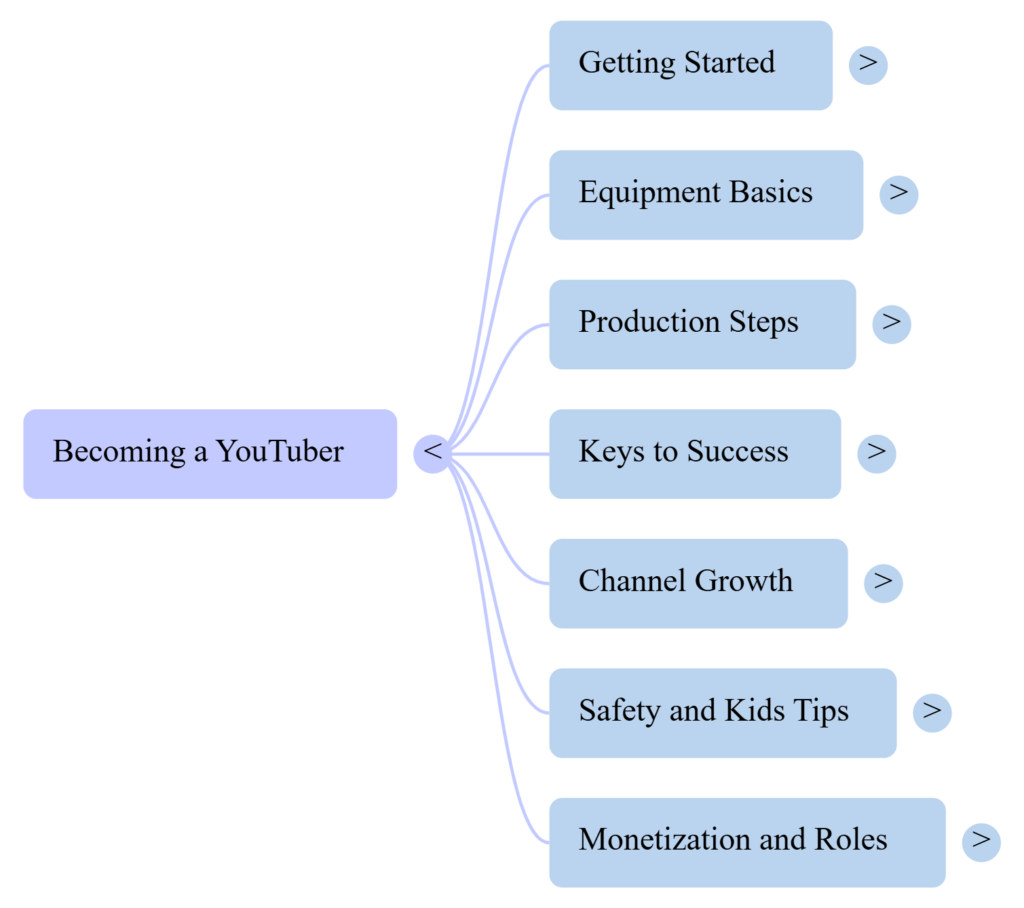
Becoming a YouTuber is a mix of creativity, planning, and consistency. This guide walks you through the basics in simple language, with kid-friendly explanations and practical steps. We’ll use clear sections so you can skim or read end-to-end. The focus stays on staying helpful, safe, and realistic.

What is a YouTuber?

A YouTuber is someone who creates and shares videos on YouTube. People watch, like, and comment on these videos. Some YouTubers make a living from ads, sponsorships, or selling products. So, is YouTube a job? Yes, for many creators. It can be a career, but it takes time, effort, and patience.

Why do people want to become famous on YouTube?

Many people aspire to become famous YouTubers because it allows them to share ideas, entertain others, and potentially earn money. But fame is not the only goal. Some creators love making videos, building a community, and learning new skills.

First, decide on your focus

Before you start, ask yourself:

  • What do I like to do? Games, crafts, science, storytelling, or cooking?
  • Who do I want to help or entertain? Kids my age, families, or a hobby group?
  • What makes my idea different from other channels?

Choosing a clear focus helps your channel stand out. It also makes it easier to create videos.

Create a simple plan

A plan keeps you on track. Here’s a simple template:

  • Your channel idea: What topics will you cover?
  • Your target audience: Who are you making videos for?
  • Video ideas: 8–12 video topics you can film soon.
  • Schedule: How often will you post? Once a week works well for beginners.
  • Equipment: Start with what you have (a phone, good lighting, and clear sound).

Equipment and basics

You don’t need fancy gear to start. Many successful YouTubers begin with:

  • A smartphone or webcam for video
  • Natural light or a basic lamp
  • Quiet space for clear sound
  • Free video editing app on your phone or computer

As you grow, you can upgrade gradually. Focus on steady progress, not perfect gear.

How to become a YouTuber: step-by-step

You don’t need fancy gear to start. Many successful YouTubers begin with:

  1. Pick a channel idea and name
  2. Create a simple channel with a child-safe profile
  3. Plan your first few videos
  4. Film your videos in small, manageable segments
  5. Edit to remove mistakes and add simple effects
  6. Upload with a descriptive title and a short description
  7. Share your video with friends and family
  8. Ask for feedback and improve

Consistency matters. Even if a video isn’t perfect, keep posting.

How to become a successful YouTuber

Success is not just about views. It’s about building a community and improving over time. Here are the keys to success:

  • Clear purpose: Your videos should have a clear theme or goal.
  • Regular uploads: A predictable schedule helps people return.
  • Quality content: Provide value—fun, education, or inspiration.
  • Engagement: Respond to comments, ask questions, and invite ideas.
  • Patience: Growth can be slow at first, but persistence pays off.

Safety and responsibilities

  • Be honest and transparent about sponsorships or ads.
  • Protect your privacy: don’t share personal address or school details.
  • Get parental permission if you’re under 18 and follow platform rules.
  • Use child-safe settings and avoid harmful challenges or dangerous stunts.

Creating kid-friendly content

If you’re asking, “how can I become a YouTuber as a kid?” here are kid-safe tips:

  • Pick topics you can handle with adults’ help.
  • Keep videos short and fun, around 5–8 minutes or less.
  • Use simple language that your friends understand.
  • Include a clear intro and outro so viewers know what to expect.
  • Avoid revealing personal information like your full name or school.

How to grow your channel

  • Use catchy but truthful titles. For example, “Easy Science Experiments for Kids” instead of clickbait.
  • Make eye-catching thumbnails with big, readable text.
  • Include keywords in your title and description, like “how to become a YouTuber” or “fun science for kids.”
  • Create a content calendar to stay organized.
  • Playlists help viewers binge-watch related videos.

What is a YouTuber blog or blog-style channel?

A YouTuber blog is a channel where you share daily life, behind-the-scenes, or step-by-step guides. It blends storytelling with information. If you want this, plan segments like:

  • Day in the life
  • How I make videos
  • Behind-the-scenes tips
  • Q&A with viewers

Quick-start checklist

  • Decide your channel focus
  • Set a realistic posting schedule
  • Gather basic gear (phone, light, mic later)
  • Plan your first 3–5 videos
  • Create a safe, kid-friendly profile
  • Learn basic editing (trim, add titles)
  • Publish and invite feedback
  • Review and improve with each video

Common questions related to youtuber

Is YouTube a job?

It can be a job if you build a steady audience and earn money from ads, sponsorships, or products.

What do YouTubers do?

They plan, film, edit, upload, and respond to viewers.

How to become a YouTuber as a kid?

Get a guardian’s help, pick safe topics, and keep it simple and private, and follow platform rules.

How to become a successful YouTuber?

 Be consistent, provide value, and listen to your audience.

A simple sample plan to get started as a kid youtuber

  • Channel idea: Easy science experiments for curious kids
  • Target audience: Kids aged 6–12 and their parents
  • 5 video ideas: “Volcano Reaction,” “Floating Egg,” “Homemade Slime,” “Balloon Rocket,” “Science Snack Hacks”
  • Posting schedule: Once a week on Saturdays
  • Equipment: Phone, natural light, quiet space, basic editing app
  • First video goal: Explain one simple experiment, show steps, and end with a question for viewers

Conclusion

Many people ask the same question again and again: How Do I Become a YouTuber? The answer is simple. You start by choosing something you love, creating videos with honesty, and staying patient while you learn. You do not need to be perfect or famous on the first day.

Being a YouTuber is about creativity, consistency, and enjoying the process. Over time, you can learn how to be successful in youtube, grow your audience, and even discover whether being a youtuber can become a job or a career for you. For kids, learning how to become a youtuber as a kid safely with parent support is the most important step.

So if you are still wondering how do i become a youtuber, remember this: start small, stay positive, keep learning, and never stop believing in your ideas. Every successful YouTuber once started exactly where you are today

learn how much is 20k views on youtube

Manus AI Pricing: Complete Guide for Creators, Teams, and Businesses in 2026

Manus AI pricing

Why Manus AI Pricing Matters

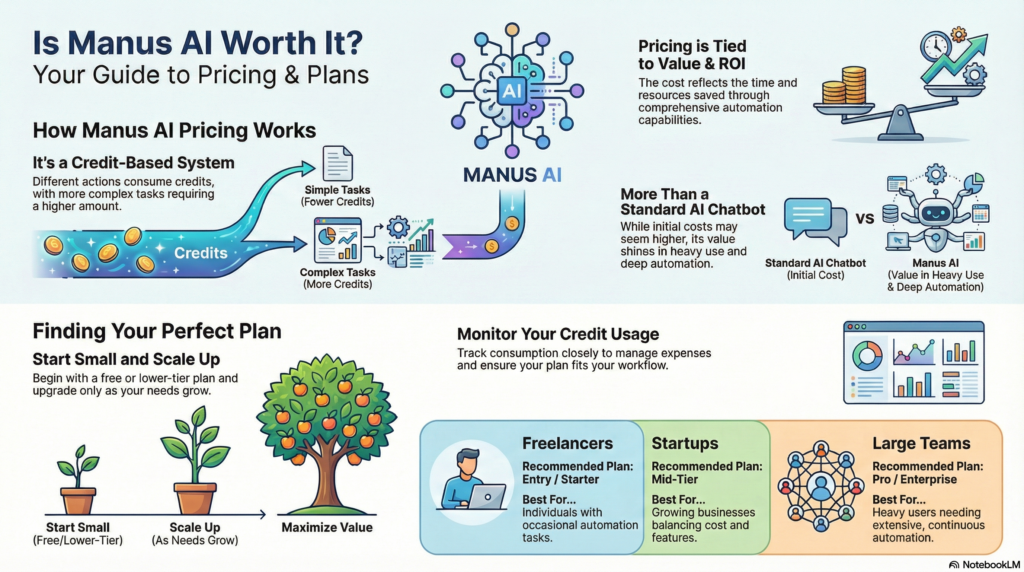
In the rapidly evolving world of artificial intelligence, Manus AI stands out as a versatile tool designed to streamline workflows through automation and AI agents. However, the buzz surrounding Manus AI often includes questions about its pricing model, subscriptions, and what each plan truly offers. Understanding the Manus AI subscription cost is crucial before committing, as it influences not only budget planning but also the potential return on investment.

ATTENTION – The Buzz Around Manus AI

Manus AI has garnered attention for its ability to perform tasks autonomously, beyond simple interactions. Yet, potential users often find themselves puzzled over its pricing model and the limitations set by various plans. If you’ve been considering Manus AI but feel lost in the pricing details, you’re not alone.

What is Manus AI?

In a nutshell, Manus AI is an innovative platform that utilizes AI agents to automate tasks, making it a powerful ally for anyone looking to enhance efficiency in their operations.

The Pricing Confusion

Before diving into a subscription, it’s essential to grasp the **Manus AI subscription cost** and what each plan entails. This understanding is key to maximizing the tool’s value without overshooting your budget.

INTEREST – Unpacking Manus AI Pricing

What Manus AI Offers

Manus AI isn’t just another AI chatbot. It’s designed to take on tasks, process information, and provide automation solutions that save time and money. Its pricing is intricately linked to the Manus ai value of automation and the tangible time savings it offers.

Manus AI Pricing Plans and Subscription Tiers

Understanding the different Manus AI pricing plans is vital. Here’s a breakdown:

Free/Trial Access: Get to know Manus AI without immediate commitment.

Entry/Starter Plan: Ideal for individuals or small teams starting.

Mid-tier Plans: Designed for growing businesses that need more robust features.

Pro/Enterprise Tiers: Tailored for large businesses or intensive automation needs.

Each tier is structured to cater to different usage patterns, from occasional automation to continuous, heavy-duty operations.

The Manus AI Pricing Model Explained

The Manus ai pricing model operates on a credit or task-based system. This means:

  • Different actions consume varying amounts of credits.
  • More complex tasks might require more credits, influencing the overall Manus ai cost analysis for a business.
  • Understanding this model is crucial for users to gauge when they might need to buy additional credits or consider upgrading their plan.
Manus AI Pricing

DESIRE – The Value and ROI of Manus AI

Is Manus AI Worth the Investment?

When evaluating Manus AI affordability, consider the time and resources it can save. For instance, if Manus AI automates processes that save a freelancer 10 hours monthly, even a mid-tier plan could quickly justify its cost based on the freelancer’s hourly rate.

Manus AI Compared to Other AI Tools

In a Manus AI price comparison with tools like ChatGPT or Jasper, Manus AI might seem pricier initially. However, its cost-effectiveness becomes apparent when considering the comprehensive automation capabilities it offers, especially under heavy use scenarios.

Affordability Across Different User Segments

Freelancers: Small, affordable plans are usually sufficient.

Startups: Mid-tier plans offer the best balance between cost and functionality.

Teams: Larger plans or custom solutions ensure that growing business needs are met without constant plan changes.

ACTION – Making the Right Choice

Decision Framework

– Plan A: Best for testing or minimal tasks.

– Plan B: Ideal for freelancers or small businesses reliant on regular automation.

– Plan C: Suited for heavy users or teams needing extensive automation.

Tips for Cost Control

– Monitor credit usage closely.

– Start with a lower tier and upgrade as needed to avoid overpaying.

– Regularly assess whether the Manus AI investment still aligns with your usage and benefits.

Call to Action

Start with a free or low-tier plan, track the benefits and adjustments in your workflow, then revisit the Manus AI pricing plans to find the best fit without overspending.

Conclusion

Understanding the Manus AI pricing model and conducting a straightforward Manus ai cost analysis will transform the pricing from a confusing aspect into a strategic business decision. By choosing the right plan, aligned with your business goals and usage, Manus AI can become a valuable investment, not just an expense.

FAQs

What is the basic Manus AI subscription cost?

The basic or entry-level subscription typically offers limited credits suitable for individuals or small teams starting with automation.

How does Manus AI pricing compare to other AI tools?

While initially appearing higher, Manus AI often provides better value through more comprehensive automation capabilities, especially for heavy users.

Can I upgrade my Manus AI plan at any time?

Yes, plans can be upgraded as your needs grow. It’s advisable to start smaller and scale as you better understand your requirements.

Are there any hidden costs with Manus AI?

No, all costs are outlined in the pricing plans. However, it’s crucial to understand how credits are consumed to manage expenses effectively.

How can I decide which Manus AI plan is right for me?

Consider your monthly task volume, the complexity of tasks, and the potential time savings. Starting with a trial or lower-tier plan can help you gauge the right fit without a significant initial investment.

Stranger Things: Why Netflix’s Supernatural Hit Still Rules Pop Culture

stranger things

Since its debut in 2016, Stranger Things has become one of Netflix’s most iconic and influential series. Created by Matt and Ross Duffer, the show blends science fiction, horror, mystery, and coming-of-age drama into a thrilling story that feels both nostalgic and fresh. Set in the 1980s, Stranger Things taps into retro pop culture while delivering emotional storytelling that continues to captivate audiences worldwide.

A Story That Begins With a Mystery

Stranger Things is set in the fictional town of Hawkins, Indiana, where “nothing ever happens”—until it does. The story begins with the mysterious disappearance of Will Byers and quickly unfolds into a supernatural mystery involving secret government experiments and a terrifying alternate dimension known as the Upside Down.

The Power of Friendship and Growing Up

At its heart, Stranger Things is not just about monsters—it’s about friendship, loyalty, and growing up. The core group of kids—Mike, Dustin, Lucas, Will, and later Max—face dangers far beyond their age, but their bond keeps them strong. Their emotional journeys across five seasons add depth and heart to the larger sci-fi adventure.

Massive Netflix Viewership That Broke Records

Stranger Things has consistently been among Netflix’s most-watched original series ever. For the fifth and final season, Season 5 logged an unprecedented ~59.6 million views within its first week, making it the biggest English-language Netflix series debut ever, and one of the top three overall across the platform.

What’s remarkable is that Stranger Things didn’t just dominate in its opening week all five seasons landed simultaneously in Netflix’s global Top 10 rankings, a first in the streamer’s history and a testament to the show’s enduring appeal.

Stranger Things: A Financial Powerhouse for Netflix

While Netflix doesn’t publicly break down revenue by title, industry analysis estimates that Stranger Things has generated well over $1 billion in global streaming revenue for Netflix since 2020.

Here’s how the show has delivered real business impact:

  • Subscriber Growth: The series has been linked to over 2 million new Netflix sign-ups worldwide, boosting long-term revenue streams.
  • Extended Value: Analyst estimates suggest that Stranger Things could contribute hundreds of millions more in revenue through licensing, merchandising, and future spin-offs or themed experiences.
  • Economic Impact: Beyond Netflix’s bottom line, Stranger Things has contributed roughly $1.4 billion to the U.S. economy and created thousands of production jobs during its run.

This combination of viewership, subscriber influence, and cultural footprint makes Stranger Things one of the most commercially significant entertainment properties of the decade.

Memorable Characters and Performances

The show’s star-studded ensemble helps bring Hawkins to life. Standout performances include:

  • Millie Bobby Brown as Eleven, a powerful yet vulnerable hero
  • Winona Ryder as Joyce Byers, determined and fierce
  • David Harbour as Jim Hopper, flawed but brave

Their performances, alongside a talented supporting cast, have helped the series resonate emotionally as well as visually.

The Upside Down and Iconic Villains

From the terrifying Demogorgon to the chilling Vecna, Stranger Things has delivered memorable villains that feel both horrifying and symbolic. The Upside Down itself is one of the most creative and haunting elements in modern genre TV.

1980s Nostalgia Done Right

The show brilliantly captures the essence of the 1980s — arcade games, retro music, fashion, and film homages. Its synth-heavy soundtrack and classic references deepen the nostalgic experience, making it both a tribute and a fresh narrative for new audiences.

What Stranger Things Is About

Stranger Things is a sci-fi horror drama set in the 1980s in the small town of Hawkins, Indiana. The story follows a group of kids, their families, and local authorities as they uncover secret government experiments — and a gateway to a terrifying parallel dimension called the Upside Down.

A mysterious girl with telekinetic powers, Eleven, becomes the key to stopping the creatures and forces that escape from it.

Season 1 — The Disappearance of Will Byers

Will Byers vanishes on his way home. His friends — Mike, Dustin, and Lucas — search for him and instead find Eleven, a shaved-head girl with psychic powers who escaped from a secret lab.

Meanwhile:

  • Will’s mother Joyce believes he’s communicating from another dimension
  • Sheriff Jim Hopper investigates the Hawkins Lab
  • The group learns about the Upside Down
  • A monster called the Demogorgon is loose in Hawkins

Eleven helps rescue Will — but disappears after defeating the creature.

Season 2 — The Shadow Monster

Will returns, but he’s now connected to a larger evil: the Mind Flayer.

Key events:

  • Eleven is alive and hiding with Hopper
  • She learns about her past and other lab children
  • The Mind Flayer uses Will as a host
  • The kids close a massive gate under the lab

The season ends with Eleven officially joining the group — but the Mind Flayer is still watching.

Season 3 — The Starcourt Mall

A new threat emerges when Soviet scientists reopen the gate beneath Hawkins — inside the new Starcourt Mall.

Highlights:

  • The Mind Flayer possesses people, creating a horrific monster
  • Billy becomes one of its main hosts
  • New friendships form (Robin, Erica, etc.)
  • Hopper sacrifices himself to destroy the machine

But a post-credits scene hints… Hopper may still be alive.

Season 4 — Vecna Awakens

A new villain appears — Vecna, a powerful psychic killer from the Upside Down.

We learn:

  • Vecna was once Henry Creel / One, a test subject
  • Eleven defeated him years earlier, accidentally creating the first portal
  • Max becomes one of Vecna’s targets
  • The teens uncover his origin and patterns

Major moments:

  • Max narrowly survives — but ends up in a coma
  • Hawkins is ripped open by multiple gates
  • Hopper is revealed alive in Russia and rescued

The Upside Down fully begins merging with the real world.

When It will Released?

Stranger Things Season 5 — the concluding season of the hit Netflix sci-fi/horror series — began rolling out in late 2025:

  • Volume 1 (Episodes 1–4): November 26, 2025 (worldwide)
  • Volume 2 (Episodes 5–7): December 25, 2025 (Christmas Day)
  • Series Finale (Episode 8): December 31, 2025 (New Year’s Eve) (What’s on Netflix)

The final episode (~2 hours) also received a limited theatrical release in select cinemas in the U.S. and Canada on December 31, 2025, letting fans watch the ending on the big screen before its Netflix debut internationally.

What Happens in Season 5

Season 5 picks up after the dramatic events of Season 4 and brings the story of Hawkins, the Upside Down, and the Hawkins crew to a climax:

  • The heroes reunite to confront Vecna and the growing threat coming from the Upside Down.
  • Hawkins is still reeling from the aftermath of rifts and military involvement, with Eleven in hiding as authorities intensify their search.
  • The stakes grow higher as the group faces personal and supernatural struggles while trying to prevent catastrophe.

Major returning cast members include Winona Ryder, David Harbour, Millie Bobby Brown, Finn Wolfhard, Gaten Matarazzo, Caleb McLaughlin, Noah Schnapp, Sadie Sink, Natalia Dyer, Charlie Heaton, Joe Keery, Maya Hawke, and more, while new additions like Linda Hamilton and Amybeth McNulty expand the world in its final chapter.

Finale & Legacy

Season 5 is designed to wrap up the story arcs that have been building since Season 1, offering:

  • emotional resolutions for fan-favourite characters
  • answers to lingering mysteries about the Upside Down
  • a farewell to the group’s journey that began in Hawkins in the early 1980s

With its finale released on December 31, 2025, Stranger Things closes the door on its decade-long run as one of Netflix’s most beloved and influential series.

FAQs

1. When is Stranger Things 5 coming out?
Stranger Things Season 5 began releasing in late 2025, with the full season available by December 31, 2025.

2. Does Max die in Stranger Things?
At the end of Season 4, Max is alive but in a coma after being attacked by Vecna.

3. Is Stranger Things over?
Yes — Stranger Things concluded with Season 5, which serves as the series finale.

4. Where was Stranger Things filmed?
Stranger Things was primarily filmed in Georgia, USA, including areas around Jackson, Atlanta, and Duluth that stand in for the fictional town of Hawkins.

5. What time does Stranger Things come out?
New episodes typically drop at 12:00 AM Pacific Time (PT) on Netflix, which varies by region.

6. What Stranger Things character are you?
This depends on your personality! Fans often take online quizzes to see if they align with characters like Eleven, Mike, Dustin, Lucas, Will, Max, or Steve.

7. Is Stranger Things based on a true story?
No — Stranger Things is a fictional series inspired by 1980s pop culture, science fiction, and horror, not real events.

8. Does Hopper die in Stranger Things?
In Season 4, Hopper appears to die, but it’s later revealed he is alive, being held in a Russian prison.

9. Did Max die in Stranger Things?
No — Max does not die. She survives but remains in a coma after her encounter with Vecna.

10. Where is Stranger Things filmed?
The series is filmed mainly in Georgia, USA, with many scenes shot around Atlanta and nearby cities.

11. Who is Vecna in Stranger Things?
Vecna is the primary antagonist in Seasons 4–5 — a powerful entity connected to the Upside Down and responsible for psychic attacks on the characters.

12. Does Eddie die in Stranger Things?
Yes — Eddie Munson dies heroically in Season 4 while helping his friends escape from Vecna’s forces.

13. When does Stranger Things take place?
The show’s timeline begins in 1983 and follows events throughout the 1980s across its seasons.

14. Does Steve die in Stranger Things?
No — Steve Harrington survives through the end of Season 5 and remains one of the core characters.

15. Who plays Steve in Stranger Things?
Steve Harrington is portrayed by Joe Keery.

16. Who dies in Stranger ThingsSeason 5?
To avoid spoilers key events and deaths in Season 5 are part of the series finale’s storyline. If you want a spoiler summary, let me know.

17. How many episodes are in Stranger Things Season 5?
Season 5 consists of 8 episodes, concluding the series.

18. Who died in Stranger Things Season 4?
Notable deaths in Season 4 include Eddie Munson and several characters connected to Vecna’s attacks.

Highest-Paying AI Jobs You Can Apply for in 2026 (No Degree Needed!)

Highest-Paying AI Jobs You Can Apply for in 2026

Artificial intelligence is no longer a “future trend.” It is the present and it is growing faster than any other industry in the world. The best part? You no longer need a university degree or a computer science background to work in AI. With online learning, AI tools, and skill-based hiring, thousands of people are entering high-paying AI roles without traditional education.

In this guide, we’ll explore the highest-paying AI jobs you can apply for in 2026 with NO degree, what skills they require, realistic salary expectations, and how you can get started from home.

Why AI Jobs Don’t Require Degrees Anymore?

A decade ago, AI careers were only for engineers with advanced degrees, such as those from artificial intelligence masters programs or professional courses like csci-561: foundations of artificial intelligence.

But today, the industry has shifted from “degree-based hiring” to skill-based hiring.

Here’s why:

AI Tools Are Easier Than Ever

AI platforms now handle complex computing for you. Tools using agentic artificial intelligence can automate tasks, build workflows, and perform coding tasks without a full technical background.

Companies Prefer Skills Over Degrees

Most startups and even major corporations want people who can use AI tools, not build them from scratch.

Free and Affordable Training

Instead of spending thousands on a university master of science in artificial intelligence online cost, people now learn from:

  • YouTube
  • Bootcamps
  • Online academies
  • AI tools themselves
  • Practical projects
  • Free courses

You don’t need a “PhD-level” qualification — even artificial intelligence for dummies tutorials can be your starting point.

AI Prompt Engineering (No Degree Needed)

Average Salary: £55,000 – £120,000/year

Prompt engineers design instructions that get AI tools to produce accurate results. It is one of the hottest AI jobs in 2026, and most hiring managers don’t care about degrees.

Skills You Need

  • Strong English writing
  • Creativity
  • Familiarity with ChatGPT, Claude, Gemini
  • Basic understanding of data analytics and artificial intelligence

AI Automation Agency Owner

Average Earnings: £3,000 – £20,000/month

Starting an artificial intelligence automation agency is one of the most profitable online businesses in 2026. Companies want AI to automate:

  • Email
  • Customer support
  • CRM
  • Marketing
  • Workflows
  • Chatbots

You can help them set up automation using no-code AI tools.

Skills You Need

  • Knowledge of automations
  • Basic scripting (optional)
  • Understanding of artificial intelligence software development tools
  • Ability to create client workflows

AI Customer Support & AI Call Center Specialist

Average Salary: £32,000 – £60,000/year

AI has transformed customer service. Many companies now hire people to manage artificial intelligence customer service tools, or work in an artificial intelligence call center environment where AI handles 70% of the workload.

Why This AI Job Needs No Degree

If you can use chatbots, read scripts, and manage customer interaction tools, you are qualified. Training is short and usually free.

AI Consultant (Beginner-Friendly)

Average Salary: £45,000 – £140,000/year

This doesn’t require building AI systems. You simply advise businesses on:

Beginner consultants often use simple tools in enterprise artificial intelligence and artificial intelligence services platforms.

AI Developer (Beginner, No Degree Needed)

Average Salary: £70,000 – £150,000/year

Yes — you CAN become an artificial intelligence developer without a degree.

Bootcamps and online courses provide practical skills without requiring you to attend artificial intelligence masters programs.

Work You’ll Do

  • Create apps using AI APIs
  • Build chatbots
  • Automate processes
  • Prepare training data
  • Work with no-code or low-code AI tools

AI Sales Roles (Top Recruitment Demand)

Average Salary: £50,000 – £120,000/year

AI companies need salespeople more than they need developers. This is a GOLDMINE for non-technical beginners.

Your list includes excellent keywords related to this field:

Why It’s Easy to Enter

AI product companies often hire people who can communicate well. You do NOT need technical skills.

Often, the highest-paying jobs are:

  • AI software sales
  • Enterprise tool sales
  • AI automation sales
  • B2B SaaS AI sales

AI Engineer (Entry Level)

Average Salary: £65,000 – £130,000/year

The keyword artificial intelligence engineer jobs fits here.

Even though this role sounds technical, many companies hire junior engineers who:

  • Know how to operate AI APIs
  • Can test AI tools
  • Handle datasets
  • Assist in model testing

You can start from a junior level with YouTube learning and online practice.

AI in Agriculture & Engineering

Average Salary: £55,000 – £110,000/year

These industries hire people for:

  • Drone monitoring using AI
  • Crop optimization
  • Equipment maintenance using AI
  • AI reporting tasks
  • Data labeling

Entry-level roles require ZERO degree.

How to Learn These Skills for Free

You CAN avoid spending thousands on the maryville university master of science in artificial intelligence online cost and instead learn through:

Start small, Practice daily, Build a portfolio is compulsory to success.

Final Thoughts: Your AI Career Starts With Skills, Not Degrees

2026 is the BEST year in history to enter the AI Job industry — without university education. Whether you choose to become an AI consultant, an AI developer, work in artificial intelligence customer service, or join best sales recruiting roles at artificial intelligence companies, the opportunities are HUGE.

Your journey starts with learning, practicing, and applying new skills — even if you begin from artificial intelligence for dummies level.

Read More

Best Budgeting Apps for UK Users (2025 Edition)

best budgeting apps for uk users

Best Budgeting Apps for UK Users (2025 Edition)

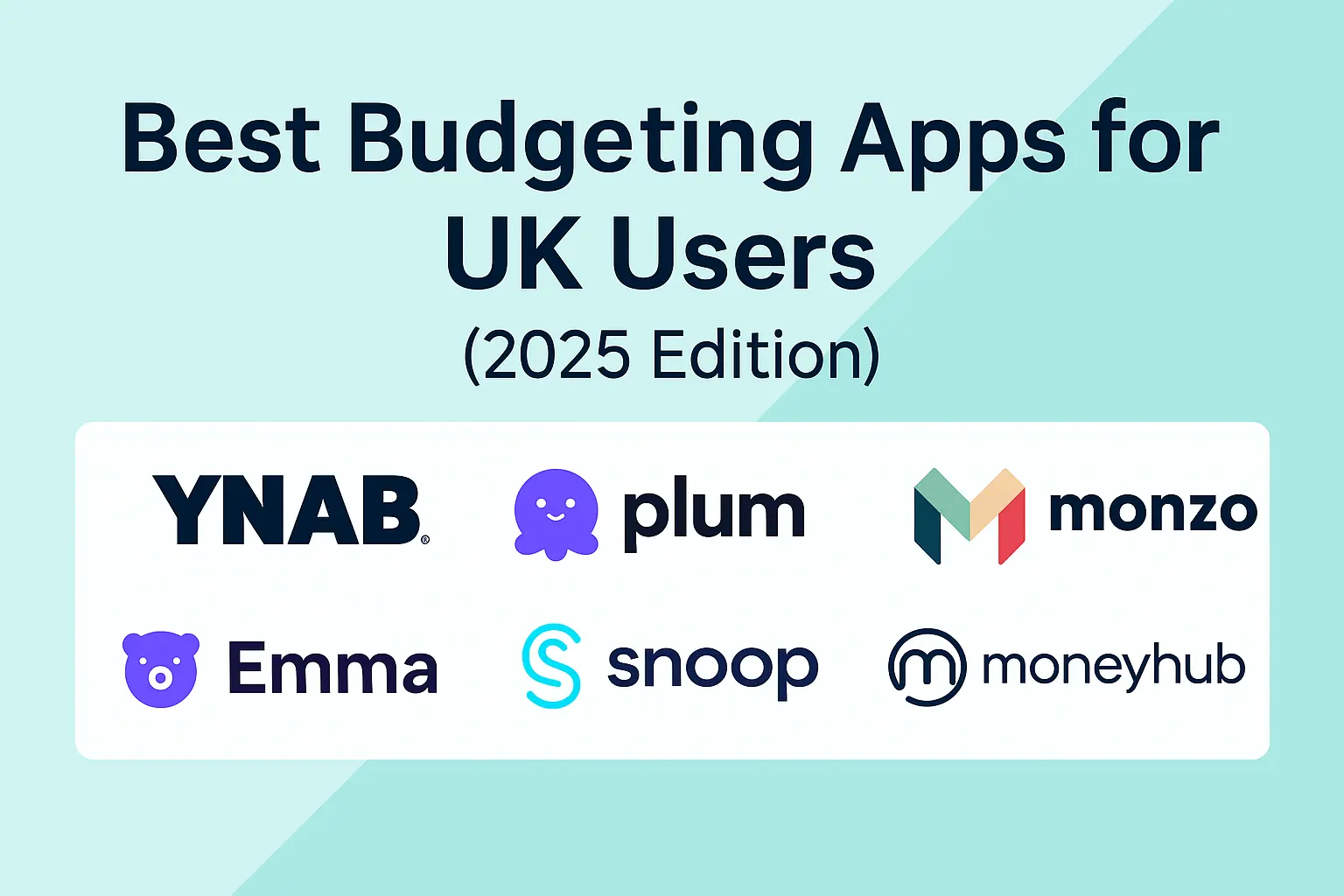
Looking to take control of your finances in 2025? Finding the best budgeting apps for UK users is a smart move. This in-depth guide covers the top financial apps available in the UK, with comparisons, visuals, and practical tips to help you manage your money effortlessly.

Introduction

Budgeting in 2025 has never been easier, thanks to innovative apps designed to simplify expense tracking, saving, and financial goal setting. Whether you want to break free from overspending or build a savings buffer, there’s a UK-friendly app that fits your needs.

Why Budgeting Apps Matter in the UK

In the age of Open Banking, UK users have access to powerful budgeting tools that connect securely to their bank accounts. These apps offer automated savings, spending categorisation, bill reminders, and goal tracking—helping users stay financially informed.

Comparison Table of Best Budgeting Apps

AppBest ForProsConsFree/Paid
YNABZero-based budgetingComplete control, goal trackingSubscription needed, complex UIPaid
PlumAutomated savingsAI savings, invests, bill controlSome features are premiumFreemium
EmmaMulti-account viewCashback, easy UI, detects wasteLimited customisationFreemium
MonzoBanking + budgetingReal-time alerts, potsOnly for Monzo usersFree
SnoopSpending insightsAuto-saving tips, no costBasic compared to othersFree
MoneyhubFinancial planningOpen banking, forecastsPaid, busy UIPaid
PocketSmithCash flow forecastingCalendar budgeting, scenariosPremium for key featuresFreemium

Budgeting App Mind Map (Decision Flow)

Choosing the best budgeting app depends on your preferences. Start by asking: Do you want automation or full control? Need investment tools or simple saving reminders? Use this thought process to shortlist your ideal app.

Infographic: Key Features of Top Apps

Infographic comparing automation, planning, savings, and usability scores.

Conclusion: Which UK Budgeting App Should You Choose?

If you’re ready to start saving smarter, any of these top-rated budgeting apps can give you a head start. Each one has unique strengths depending on your money goals. Start tracking and planning your financial future today!

Explore more finance tips and money-making ideas on our site at mykitchenincome.com.

Also Read

How to Start Financial Blogging — Explore more finance tools and tips at My Kitchen Income