

The global dropshipping market is projected to reach a staggering $372.47 billion by 2026, up from $301 billion in 2025. This explosive growth presents a massive opportunity for aspiring ecommerce entrepreneurs and side hustlers looking to build a profitable online business.
In fact, dropshipping has become a popular business model, with 27% of online stores now using this inventory-free approach. However, the road to success is not without its challenges. Only 10% of dropshippers turn a profit in their first year, with the median monthly income ranging from $1,000 to $5,000.
But the potential rewards are substantial. Profit margins in the dropshipping industry typically range from 20% to 30%, and can reach as high as 50% for well-optimized stores. And the best part? You can get started with minimal upfront investment, making it an attractive option for those looking to dip their toes into the world of ecommerce.
In this comprehensive guide, we’ll walk you through the step-by-step process of building a dropshipping business that can consistently generate $5,000 or more per month by 2026. Whether you’re a complete beginner or an experienced entrepreneur, this blueprint will equip you with the knowledge and strategies you need to succeed in the rapidly growing dropshipping landscape.
What Is Dropshipping?
Dropshipping is a retail fulfillment method where a store doesn’t keep the products it sells in stock. Instead, when a customer places an order, the store purchases the item from a third-party supplier, who then ships the product directly to the customer. This allows entrepreneurs to start an online business with minimal upfront investment, as they don’t need to worry about inventory, warehousing, or shipping logistics.
The key advantages of the dropshipping business model include:
1. Low Startup Costs: With dropshipping, you can launch an online store with little to no initial investment, as you don’t have to purchase and store inventory upfront.
2. Scalability: Dropshipping allows you to expand your product offerings and reach new customers without the hassle of managing physical inventory.
3. Flexibility: Dropshippers can easily test different products and niches to find the most profitable opportunities, as they’re not tied down to a specific inventory.
4. Passive Income Potential: By automating the order fulfillment process, dropshippers can earn revenue from their online stores with minimal day-to-day involvement.
Of course, the dropshipping model also comes with its own set of challenges, such as finding reliable suppliers, managing order fulfillment, and competing in a crowded market. But with the right strategies and execution, these obstacles can be overcome, paving the way for a thriving and profitable dropshipping business.
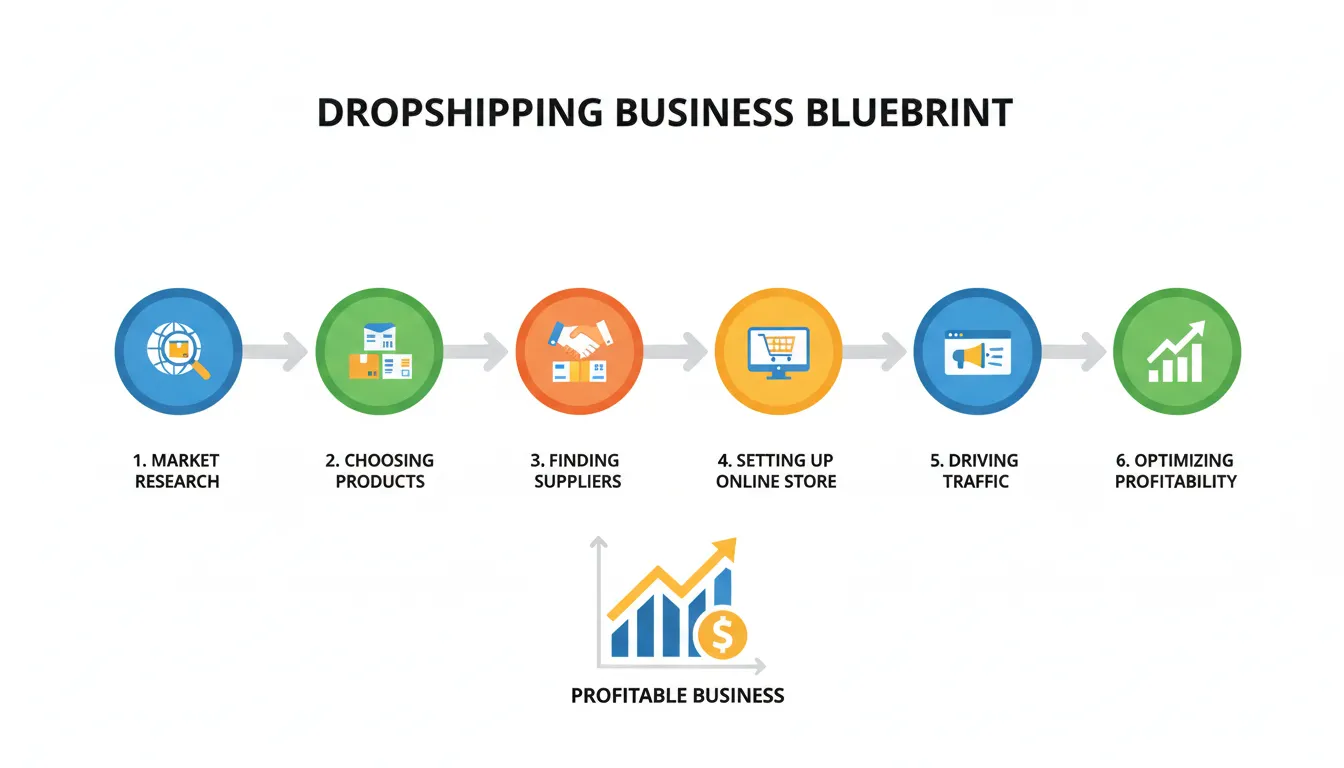
Step-by-Step Guide to Building a $5,000/Month Dropshipping Business
1. Conduct Thorough Market Research
The foundation of a successful dropshipping business lies in identifying the right products and target market. Begin by analyzing the current trends and demands in your desired niche. Look for products that have a consistent, high-volume search interest, but aren’t oversaturated with competition.
Some of the top-performing dropshipping niches include fashion, home goods, and electronics. Within these broad categories, you can further refine your focus by targeting specific sub-niches or “micro-trends” that are gaining popularity.
It’s also important to research your potential competitors, understand their pricing and marketing strategies, and identify gaps in the market that you can exploit. This will help you position your business and offerings in a way that resonates with your target audience.
2. Find Reliable Suppliers and Vet Products
One of the biggest challenges for dropshippers is finding trustworthy suppliers who can consistently deliver high-quality products and reliable fulfillment. Spend time thoroughly vetting potential suppliers, looking for factors like:
– Product quality and customer reviews
– Shipping times and reliability
– Wholesale pricing and profit margins
– Willingness to work with dropshippers
– Availability of product images, descriptions, and marketing materials
Building a strong relationship with your suppliers is crucial, as they will play a vital role in the success of your business. Consider reaching out to multiple suppliers and negotiating better wholesale rates or exclusive product deals.
3. Set Up Your Ecommerce Store
With your product research and supplier selection complete, it’s time to build your online storefront. Shopify is a popular choice for dropshippers, as it offers a user-friendly platform, robust ecommerce features, and a vast ecosystem of apps and integrations to streamline your operations.
When setting up your store, focus on creating a professional, visually appealing design that accurately reflects your brand and product offerings. Optimize your product pages with compelling descriptions, high-quality images, and persuasive calls-to-action to drive conversions.
Additionally, ensure that your store is mobile-responsive, as a significant portion of your traffic and sales will likely come from smartphone users.
4. Develop a Comprehensive Marketing Strategy
Attracting customers to your dropshipping store is crucial for driving sales and profitability. While there are numerous marketing channels to explore, social media advertising, particularly on platforms like Facebook and Instagram, has proven to be a highly effective strategy for dropshippers.
According to industry data, 68% of a typical dropshipping store’s traffic comes from Facebook and Instagram ads. Leverage powerful targeting and retargeting capabilities to reach your ideal customers, and create visually engaging ad creatives that showcase your products.
In addition to paid advertising, consider implementing a content marketing strategy to build brand awareness and authority. This could include creating a blog, producing educational videos, or leveraging influencer partnerships to reach new audiences.
5. Continuously Optimize and Scale Your Business
As your dropshipping business gains traction, it’s essential to continuously monitor and optimize your operations for maximum profitability. This includes:
– Analyzing your sales data and customer behavior to identify top-performing products and marketing campaigns
– Regularly testing and refining your pricing, product descriptions, and ad creative
– Expanding your product catalog and exploring new niche opportunities
– Automating and streamlining your order fulfillment and customer support processes
– Diversifying your marketing strategies and channels to reach a wider audience
By staying agile, data-driven, and focused on continuous improvement, you can steadily scale your dropshipping business and achieve your goal of generating $5,000 or more in monthly revenue by 2026.

Tools, Resources, and Cost Breakdown
To help you get started, here are some of the essential tools and resources you’ll need to build a successful dropshipping business:
Ecommerce Platform: Shopify ($29–$299/month)
Dropshipping Supplier Directories: AliExpress, Oberlo, Spocket
Marketing and Advertising: Facebook Ads ($200–$2,000/month), Instagram Ads ($100–$1,000/month)
Productivity and Automation: Trello, Zapier, Oberlo ($0–$99/month)
Customer Support: Intercom, Zendesk ($0–$99/month)
The initial investment for launching a dropshipping business can be relatively low, typically ranging from $500 to $2,000 to cover the cost of your Shopify store, supplier integration, and initial marketing campaigns. However, as your business grows, you’ll need to allocate a larger budget for advertising, product sourcing, and other operational expenses.
It’s important to note that the actual costs will vary depending on the scope of your business, the products you sell, and the marketing strategies you employ. But with careful planning and execution, you can steadily build a dropshipping business that generates a consistent $5,000 or more in monthly revenue by 2026.
Key Takeaways
Pros and Cons of Dropshipping
Pros:
– Low startup costs and minimal upfront investment
– Flexibility to test different products and niches
– Scalable business model with potential for passive income
– No need to manage inventory, warehousing, or shipping
Cons:
– Intense competition and potential for low-profit margins
– Reliance on third-party suppliers can lead to fulfillment issues
– Difficulty differentiating products and building brand loyalty
– Potential challenges with customer service and returns

Real-World Examples and Case Studies
To illustrate the potential of a successful dropshipping business, let’s look at a few real-world examples:
Case Study 1: The Fashion Dropshipper
John, a 27-year-old entrepreneur, launched a Shopify store specializing in trendy women’s fashion. After extensive market research, he identified a niche for affordable, high-quality apparel and accessories. By partnering with reliable suppliers and leveraging targeted Facebook and Instagram ads, John was able to grow his store to over $8,000 in monthly revenue within the first year. His profit margins averaged around 30%, allowing him to reinvest in his business and expand his product catalog.
Case Study 2: The Home Goods Dropshipper
Sarah, a stay-at-home mom, started a dropshipping business focused on unique and affordable home decor items. She carefully curated her product selection, working closely with her suppliers to ensure high-quality products and fast shipping. By implementing a content marketing strategy, including a blog and social media presence, Sarah was able to build a loyal following and drive consistent sales. Within 18 months, her dropshipping store was generating over $6,000 in monthly revenue, with profit margins around 25%.
Case Study 3: The Tech Gadgets Dropshipper
Alex, a tech-savvy college student, launched a Shopify store specializing in the latest gadgets and electronics. He leveraged his knowledge of online consumer behavior to optimize his product pages, create compelling ad campaigns, and streamline his fulfillment processes. By the end of his second year in business, Alex’s dropshipping store was consistently generating $10,000 in monthly revenue, with profit margins as high as 35%.
These examples demonstrate the real potential of the dropshipping business model, provided that you are willing to invest the time and effort into thorough market research, supplier vetting, and ongoing optimization.
FAQ
1. How much money do I need to start a dropshipping business?
The initial investment for launching a dropshipping business can be relatively low, typically ranging from $500 to $2,000. This covers the cost of setting up a Shopify store, integrating with a dropshipping supplier, and running initial marketing campaigns. However, as your business grows, you’ll need to allocate a larger budget for advertising, product sourcing, and other operational expenses.
2. How long does it take to make money with dropshipping?
The timeline to profitability can vary, but industry data suggests that it takes most dropshippers between 6 to 12 months to start generating consistent monthly revenue. In the first 3 months, you can expect to earn $0 to $2,000 per month. In months 7 to 12, this can increase to $2,000 to $10,000 per month. By the end of the second year, successful dropshippers are often earning $5,000 to $50,000 or more per month.
3. What are the biggest challenges with dropshipping?
The top challenges for dropshippers include finding reliable suppliers, managing order fulfillment, and competing in a crowded market. According to industry surveys, 84% of dropshippers say that finding trustworthy suppliers is their biggest hurdle. Other common challenges include maintaining product quality, dealing with customer service and returns, and effectively marketing their business.
4. Do I need to register for VAT in the UK?
If you’re running a dropshipping business in the UK, you’ll need to register for VAT (Value Added Tax) if your annual turnover exceeds £90,000. This is a legal requirement that applies to all businesses, including those operating in the ecommerce and dropshipping space. Registering for VAT will involve additional compliance and reporting obligations, but it’s essential for ensuring that your business is operating within the law.
5. How can I increase my dropshipping profit margins?
To maximize your profit margins, focus on the following strategies:
– Negotiate better wholesale pricing with your suppliers
– Identify high-demand, low-competition products with high-profit potential
– Optimize your pricing and sales funnels to reduce cart abandonment
– Automate and streamline your order fulfillment and customer support processes
– Continuously test and refine your marketing campaigns to improve ROAS (return on ad spend)
– Explore opportunities to develop your own private-label products or exclusive supplier arrangements
Conclusion
The dropshipping business model presents a remarkable opportunity for aspiring entrepreneurs and side hustlers to build a profitable online venture. By following the strategies outlined in this comprehensive guide, you can position yourself for success in the rapidly growing $372.47 billion dropshipping market.
Remember, the key to building a $5,000-per-month dropshipping business by 2026 lies in thorough market research, finding reliable suppliers, creating a compelling online store, and implementing a well-rounded marketing strategy. With the right approach and a commitment to continuous optimization, you can turn your entrepreneurial dreams into a reality.
So, what are you waiting for? Start your dropshipping journey today and unlock the path to financial freedom and passive income. The potential is there – all you have to do is seize it.
Advertisement
