

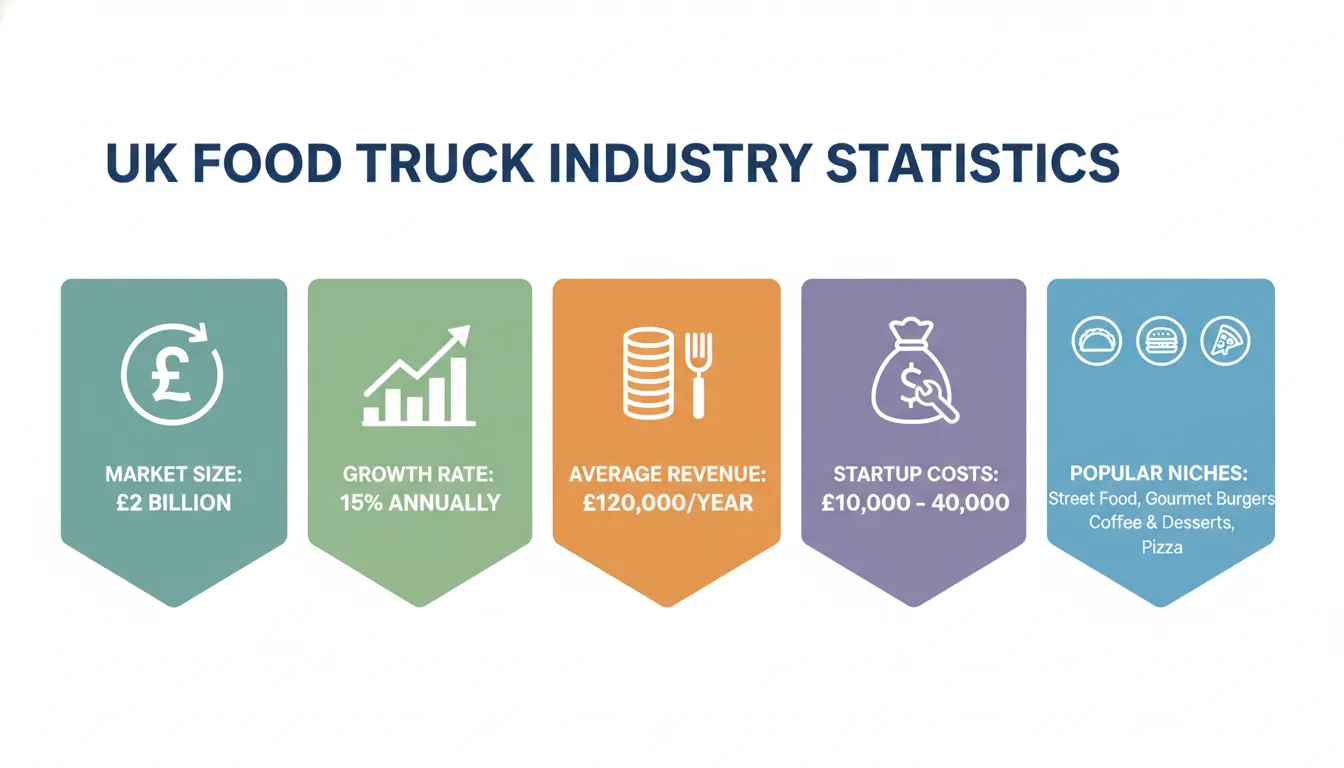
The UK food truck industry is booming, with the market valued at a staggering £1.2 billion and growing at a rate of 8% annually. For aspiring entrepreneurs looking to get a slice of this lucrative pie, starting a food truck business can be an exciting and rewarding venture.
From the vibrant street food markets of London to the bustling office parks of Manchester, food trucks have captured the hearts and tastebuds of the British public. With the average food truck generating £5,000 to £10,000 in monthly revenue at prime locations, it’s no wonder more and more people are considering taking the leap into mobile catering.
In this comprehensive guide, we’ll uncover the key steps to launching a successful food truck business in the UK, covering everything from startup costs and regulations to the best niches and proven strategies for maximizing your profits.
What is a Food Truck Business?
A food truck business is a mobile catering operation that serves freshly prepared, high-quality food from a specialized vehicle, typically a converted van or trailer. Unlike traditional brick-and-mortar restaurants, food trucks offer the flexibility to operate at various locations, capitalizing on high-traffic areas such as festivals, markets, and office parks.
Food truck owners can showcase their culinary expertise and unique menu offerings, often catering to the growing demand for innovative, convenient, and delicious street food. By operating a food truck, entrepreneurs can start a thriving business with relatively low overhead costs compared to a traditional restaurant.
Step-by-Step Guide to Starting a Food Truck Business in the UK
1. Develop a Winning Business Plan
The foundation of any successful food truck venture is a well-crafted business plan. This document should outline your unique concept, target market, financial projections, and operational strategies. Key elements to include are:
– Executive Summary: Provide a concise overview of your business, including your mission, target customers, and competitive advantages.
– Market Analysis: Research the local food truck landscape, identify your target audience, and analyze industry trends and competitor activity.
– Menu and Concept: Develop a unique menu that showcases your culinary expertise and appeals to your target market.
– Operations Plan: Outline your sourcing, food preparation, and logistics, including your mobile kitchen setup and supplier relationships.
– Financial Projections: Estimate your startup costs, ongoing expenses, and potential revenue streams to determine your break-even point and long-term profitability.
2. Secure Funding and Financing
Starting a food truck business typically requires an investment of £15,000 to £50,000, depending on the condition and size of the vehicle, kitchen equipment, and other startup expenses. Common funding sources include:
– Personal Savings: Use your own funds to kickstart your venture.
– Business Loans: Explore small business loans, bank financing, or alternative lending options.
– Crowdfunding: Launch a crowdfunding campaign to engage potential customers and raise capital.
– Investors: Pitch your business plan to angel investors or venture capitalists interested in the food truck industry.
3. Obtain the Necessary Permits and Licenses
Operating a food truck in the UK requires several permits and licenses, including:
– Food Business Registration: Register your business with the local authority and obtain a food hygiene rating.
– Level 2 Food Hygiene Certificate: At least one member of your team must hold this certification.
– Public Liability Insurance: Protect your business from potential claims or accidents.
– Street Trading License: Obtain a license from the local council to operate your food truck on public property.
Be sure to research the specific requirements in your area, as regulations may vary across different local authorities.
4. Choose the Right Vehicle and Outfit Your Mobile Kitchen
Selecting the appropriate vehicle and equipping it with the necessary kitchen equipment is a crucial step. Common options include:
– Converted Van: A used van can be retrofitted with a compact kitchen, costing between £15,000 and £30,000.
– Trailer: A purpose-built food trailer can range from £20,000 to £50,000, offering more space and versatility.
Regardless of the vehicle, ensure it meets all food safety and legal requirements, including proper ventilation, refrigeration, and sanitation facilities.
5. Develop a Compelling Brand and Marketing Strategy
To stand out in the crowded food truck market, you’ll need to create a strong brand identity and a robust marketing plan. This includes:
– Branding: Develop a memorable logo, color scheme, and overall visual aesthetic that reflects your menu and concept.
– Social Media: Establish a strong presence on platforms like Instagram, Facebook, and Twitter to engage with your target audience.
– Website: Build a user-friendly website that showcases your menu, location, and unique selling points.
– Partnerships: Collaborate with local events, festivals, and businesses to gain visibility and secure prime locations.
6. Optimize Your Operations and Maximize Profitability
Running a successful food truck business requires ongoing operational refinement and a keen eye for profitability. Consider the following strategies:
– Menu Optimization: Regularly review your menu, adjust pricing, and introduce new, in-demand items to drive sales.
– Streamlined Processes: Implement efficient workflows and systems to minimize waste, reduce prep time, and optimize order fulfillment.
– Cost Control: Carefully manage your food costs, labor expenses, and other operating expenses to maintain healthy profit margins.
– Location Selection: Identify high-traffic, high-potential spots to set up your food truck, such as office parks, festivals, and popular markets.
Tools and Resources for UK Food Truck Entrepreneurs
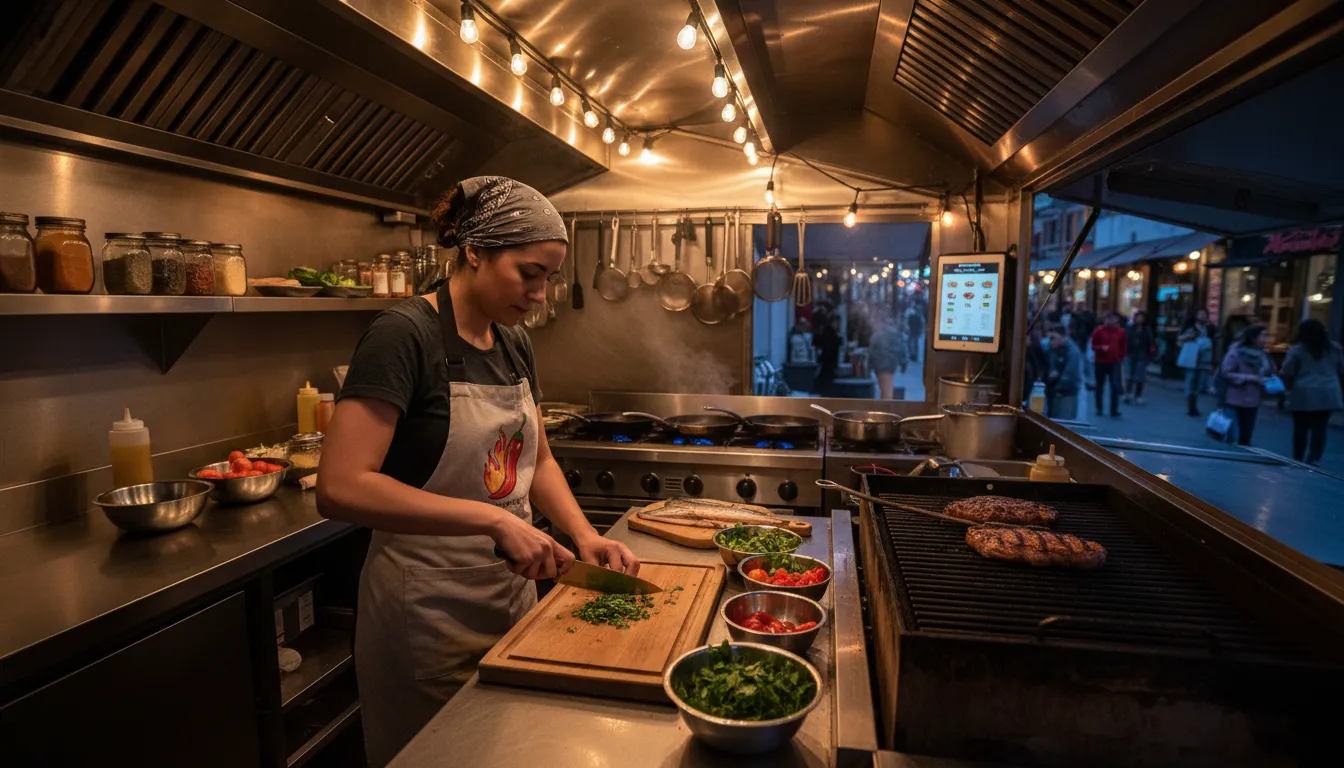
Starting a food truck business in the UK can be a complex endeavor, but there are various tools and resources available to help you navigate the process:
– Food Truck Consulting Services: Engage with industry experts who can provide guidance on business planning, licensing, and operations.
– Online Marketplaces: Platforms like Truckle and StreetFoodApp can help you find and book prime event and market locations.
– Financing Options: Explore small business loan providers, crowdfunding platforms, and angel investor networks.
– Industry Associations: Organizations like the National Caterers Association (NCASS) offer valuable insights, networking opportunities, and support.
Key Takeaways
Pros and Cons of Starting a Food Truck Business in the UK
Pros:
– Relatively Low Startup Costs: Compared to a traditional brick-and-mortar restaurant, food trucks have a lower entry barrier, with startup costs ranging from £15,000 to £50,000.
– Flexibility and Mobility: Food trucks can operate in various locations, allowing you to chase high-traffic areas and capitalize on events and festivals.
– Growing Market Demand: The UK food truck industry is experiencing steady growth, with a market value of £1.2 billion and an annual growth rate of 8%.
– Potential for High Profitability: Successful food truck operators can generate monthly revenues of £5,000 to £10,000 in prime locations.
– Opportunities for Creativity: Food trucks offer the freedom to experiment with unique menu items and cater to evolving food trends.
Cons:
– Regulatory Hurdles: Navigating the licensing, permitting, and compliance requirements can be time-consuming and complex.
– Limited Kitchen Space: The compact nature of a food truck’s kitchen can pose challenges for large-scale food preparation and storage.
– Increased Competition: As the food truck industry continues to grow, competition for prime locations and loyal customers can be fierce.
– Weather Dependency: Outdoor operations mean food trucks are vulnerable to unpredictable weather conditions, which can impact sales.
– Higher Operating Costs: Expenses such as fuel, vehicle maintenance, and pitch fees can eat into profit margins.

Real-World Examples of Successful UK Food Truck Businesses
The Cheese Truck (London)
Launched in 2014, The Cheese Truck has become a beloved fixture in the UK street food scene. Founders Mathew Carver and Chris Childs have built a loyal following with their gourmet grilled cheese sandwiches, using high-quality artisanal cheeses and innovative toppings. The Cheese Truck’s success has led to the expansion of their business, with a permanent site in London’s Borough Market and a growing fleet of food trucks.
Bao Buns (Manchester)
Specializing in steamed Taiwanese-style buns, Bao Buns has become a popular choice for food truck enthusiasts in Manchester. Founders Erchen Chang and Shing Tat Chung have leveraged their unique menu and eye-catching branding to stand out in the competitive mobile catering market. Bao Buns’ success has enabled the business to open several brick-and-mortar locations, cementing its status as a leading player in the UK’s street food scene.
Churros Garcia (Birmingham)
Churros Garcia is a family-run food truck business that has captured the hearts (and taste buds) of Brummies with its authentic Spanish-style churros and decadent chocolate dipping sauce. Founders Jose and Raquel Garcia have built a strong reputation for their high-quality, freshly made churros, which they serve at various markets, festivals, and events across Birmingham. The business’s focus on traditional recipes and exceptional customer service has contributed to its growing popularity and success.
FAQ: Starting a Food Truck Business in the UK
1. How much does it cost to start a food truck business in the UK?
The startup costs for a food truck business in the UK can range from £15,000 to £50,000, depending on the condition and size of the vehicle, the cost of kitchen equipment, and other initial expenses. This typically includes the purchase or conversion of a van or trailer, the installation of a commercial kitchen, branding and marketing materials, and the necessary permits and licenses.
2. What are the key licenses and permits required to operate a food truck in the UK?
To operate a food truck business in the UK, you’ll need to obtain the following licenses and permits:
– Food Business Registration: Register your business with the local authority and obtain a food hygiene rating.
– Level 2 Food Hygiene Certificate: At least one member of your team must hold this certification.
– Public Liability Insurance: Protect your business from potential claims or accidents.
– Street Trading License: Obtain a license from the local council to operate your food truck on public property.
The specific requirements may vary depending on your local authority, so it’s essential to research the regulations in your area.
3. What are the most profitable food truck business ideas in the UK?
Some of the most popular and profitable food truck business ideas in the UK include:
– Burgers: Classic or gourmet burgers remain a perennial favorite among food truck customers.
– Loaded Fries: Fries topped with creative, indulgent toppings like cheese, pulled pork, and chili.
– Burritos and Tacos: Mexican-inspired street food continues to be in high demand.
– Desserts: Sweet treats like churros, crepes, and ice cream tend to be crowd-pleasers.
These niches have proven to be successful in the UK food truck market due to their widespread appeal, portability, and potential for high profit margins.
4. How can I find the best locations to operate my food truck in the UK?
Identifying the right locations to set up your food truck is crucial for maximizing your sales and profitability. Some of the best spots to consider in the UK include:
– Local Festivals and Events: Food trucks are a staple at outdoor festivals, concerts, and other large-scale events.
– Office Parks and Business Districts: Busy office areas with a lunchtime rush can be lucrative locations.
– Markets and Fairs: Setting up at established local markets and fairs can provide a steady stream of customers.
– High-Traffic Areas: Busy city centers, tourist hotspots, and popular shopping districts are all worth considering.
It’s important to research the specific regulations and permit requirements for each location, as well as the competition and foot traffic patterns, to ensure you choose the most viable spots for your food truck.
5. How long does it typically take to see a return on investment (ROI) for a food truck business in the UK?
The time it takes to see a return on investment (ROI) for a food truck business in the UK can vary, but typically it’s within 18 to 24 months. This is based on the following factors:
– Startup Costs: Food trucks with lower startup costs in the £15,000 to £30,000 range tend to achieve ROI faster.
– Operating Expenses: Businesses that are able to effectively manage their ongoing costs, such as pitch fees, fuel, and ingredients, can see a quicker return.
– Sales Performance: Food trucks that are able to secure prime locations and attract a consistent, high-volume customer base will reach ROI more rapidly.
It’s important to note that the ROI timeline can be influenced by various factors, such as the strength of your business plan, your marketing and branding efforts, and your ability to optimize your operations over time. With careful planning and execution, many successful food truck businesses in the UK are able to achieve a positive ROI within the first two years of operation.
Conclusion: Seize the Opportunity in the UK’s Booming Food Truck Market
The UK’s food truck industry presents a tantalizing opportunity for aspiring entrepreneurs looking to turn their culinary dreams into a thriving business. With the market valued at £1.2 billion and growing at an impressive 8% annually, the potential for success is clear.
By crafting a robust business plan, securing the necessary funding and licenses, and developing a compelling brand and marketing strategy, you can position your food truck for long-term success. Remember to focus on optimizing your operations, staying ahead of the competition, and delivering an exceptional customer experience.
So, what are you waiting for? Seize the opportunity and start your journey towards becoming a food truck entrepreneur in the UK. Get your hands on our comprehensive guide and take the first steps towards building a thriving mobile catering business that will leave a lasting impression on the taste buds of hungry customers across the nation.
Advertisement
