
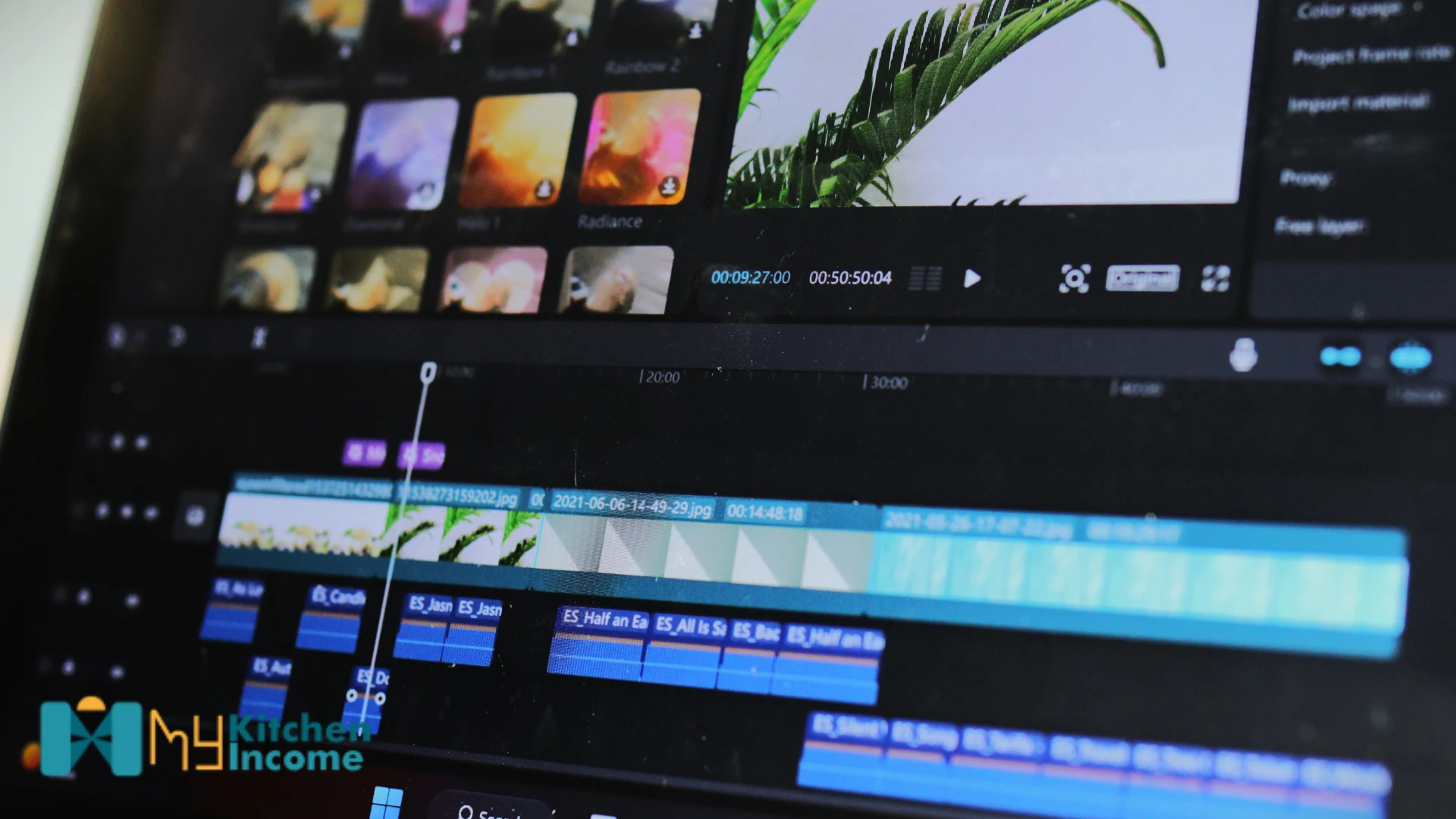
YouTube automation is a business model where a channel’s daily operations—such as scriptwriting, voiceovers, video editing, and thumbnail creation—are outsourced to freelancers, permanent teams, or generative AI tools, rather than being handled in-house. This approach allows the channel owner to focus on higher-level strategy, SEO, and scaling the business.
The Process of YouTube Automation
The process typically revolves around faceless YouTube channels, where the creator never appears on screen, making it easier to automate the production cycle.
1. Niche Selection: To be successful, owners look for niches with high RPM (Revenue Per Mille), which is the amount earned per 1,000 ad-supported views. Profitable niches often include finance, true crime, celebrities, and travel guides.
2. Market Research: Owners identify “high-to-low” opportunities—topics where videos have high traffic but the accounts have relatively few followers. They also study competitors to see what content performs best.
3. Content Production: The owner manages a workflow where scripts are written, voiceovers are recorded (sometimes using AI tools like Epidemic Sound’s “Voices”), and videos are assembled using stock footage and B-roll.
4. Optimization: The owner focuses on YouTube SEO using keyword tools to ensure the automated content reaches the intended audience.
Monetization Rules and Requirements
Automated content is eligible for monetization as long as it adheres to specific platform standards and legal requirements:
• YouTube Partner Program (YPP): To earn directly from YouTube, the channel and its videos must meet all YPP eligibility requirements.
• Copyright and Licensing: All components of the video, including music and footage, must be legally obtained and licensed. Relying too heavily on third parties without quality control can lead to copyright strikes or legal action.
• Content Quality: YouTube may penalize or “downvote” content that is low-quality or uses unlicensed material. To remain monetized, creators must adhere to the platform’s Terms of Service and avoid misleading viewers with clickbait.
• Alternative Streams: Beyond ad revenue, automated channels can also monetize through affiliate marketing.

Earning Potential of YouTube automation
Earnings in YouTube automation are heavily influenced by the audience and topic:
• Topic Impact: High-RPM topics like finance generally earn more than general entertainment.
• Geographic Impact: Audiences in certain regions, such as the United States, often boast higher RPMs because advertisers in those markets are willing to pay more for ad placements.
• Scalability: While beginners may start with free tools, scaling the business to increase earnings typically requires reinvesting profits into better production teams and higher-quality assets.
Think of YouTube automation like owning a franchise restaurant. Instead of being the chef who cooks every meal (the traditional creator), you are the owner who manages the systems, hires the staff, and ensures the location is profitable. While you aren’t in the kitchen, you are responsible for making sure the food meets quality standards and the business follows all health and safety regulations to stay open.
What are the legal risks associated with automated content?
While YouTube automation is a legal business model, it carries several significant legal and platform-related risks if not managed with strict oversight. These risks primarily stem from the heavy reliance on third parties and automated tools to generate content.
The primary legal risks include:
• Copyright Infringement: Because automation often relies on freelancers, stock footage, or AI-generated assets, there is a constant risk of copyright compliance issues. If a channel owner does not carefully review their sources, they may inadvertently publish unlicensed material, which can lead to direct legal action.
• Licensing Complications: Every component of a video—including music, images, and clips—must be legally obtained, created, and distributed. Music is particularly risky; using tracks without proper licensing agreements can jeopardize the entire video and the channel’s standing.
• Terms of Service Violations: To stay within legal and operational bounds, creators must strictly adhere to YouTube’s Terms of Service. This includes avoiding deceptive practices like clickbaiting viewers or abusing licensing agreements.
• Lack of Quality Control: Outsourcing the entire production chain can lead to “low-quality efforts” slipping through the cracks. This not only poses a legal risk regarding intellectual property but can also result in serious downvoting by the YouTube algorithm, which effectively kills the channel’s reach and revenue potential.
To mitigate these risks, channel owners need to review and check the sources for every piece of content they plan to publish, ensuring that all third-party contributions are fully licensed and compliant.
Analogy: Engaging in YouTube automation without strict oversight is like hiring a general contractor to build a house using materials they found themselves. If the contractor accidentally uses stolen lumber or ignores building codes (Terms of Service), you—as the owner—are the one who faces the legal consequences and the risk of the city (YouTube) condemning the building? To stay safe, you must inspect every “brick” to ensure it was bought legally and meets the required standards.
FAQS related to YT Automation
1. What exactly is the YouTube automation workflow?
YouTube automation is a business model where a channel’s daily tasks—such as scriptwriting, voiceovers, video editing, and thumbnail creation—are outsourced to freelancers or permanent teams rather than being handled by the owner. This allows the owner to focus on high-level strategy, SEO, and scaling the business.
2. Is YouTube automation legal and compliant with platform rules?
Yes, it is entirely legal as long as all video components (music, images, and clips) are legally obtained, created, and distributed. To remain compliant, owners must follow YouTube’s Terms of Service, avoid clickbait, and ensure they do not abuse copyright or licensing agreements.
3. Can I start an automated channel for free?
While beginners can start with free tools and help from friends, scaling the business typically requires financial investment. As the channel grows, you will likely need to reinvest profits to pay for professional teams or premium tools to keep the operation running smoothly.
4. How do I identify a profitable niche?
Profitable niches are often found by looking for topics with a high RPM (Revenue Per Mille), such as finance, true crime, or celebrities. A key strategy is finding “high-to-low” divides: topics where videos get high traffic despite the accounts having relatively few followers, indicating a high-interest niche that is not yet oversaturated.
5. How does generative AI fit into the automation process?
Many owners are now integrating generative AI tools into their workflows to produce high-engagement content at scale. For example, AI-powered tools like “Voices” allow creators to craft instant voiceovers using world-class voice artists directly within their editing software.
6. What are the primary ways to monetize automated content?
Automated channels are eligible for the YouTube Partner Program (YPP) and can earn ad revenue just like traditional channels, provided they meet all eligibility requirements. Additionally, many owners diversify their income through third-party methods like affiliate marketing.
7. What are the biggest risks of using this model?
The main downsides include a potential lack of quality control and risks of copyright infringement if third-party contributors use unlicensed material. If content is deemed “low-quality” or violates licensing, it can lead to legal action or serious downvoting by the YouTube algorithm, which reduces the channel’s reach.
Advertisement
