
Passive Income vs Active Income: Which is the strong Money-Maker?

Passive Income vs Active Income

Introduction

In this article, we will delve into the concepts of passive income vs active income, explore their characteristics, compare their differences, and discuss strategies to leverage both. When it comes to financial stability and independence, understanding the difference between passive income and active income is crucial. These two income streams play significant roles in shaping our financial lives, and each offers unique advantages and disadvantages. By the end, you will have a clearer understanding of these income streams and be better equipped to make informed decisions regarding your financial future.

What is Active Income?

Definition and Examples

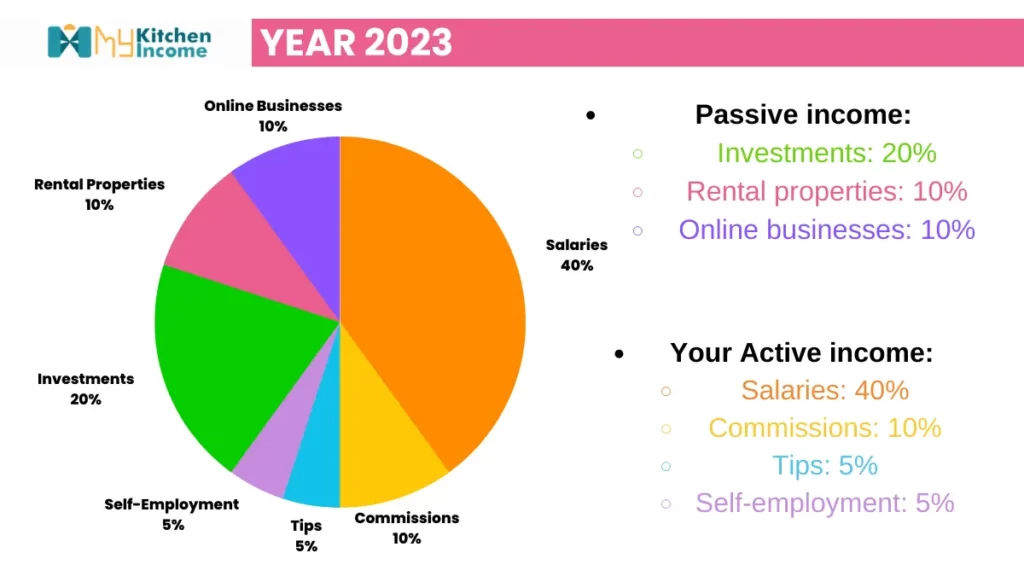
Active income refers to the money earned through actively participating in work or providing services. It is the traditional form of income that most people are familiar with. Examples of active income include salaries, wages, tips, and commissions.

Characteristics of Active Income

Direct involvement: Active income requires direct effort and time investment from the earner. It often involves exchanging time and skills for compensation.

Linear correlation: The amount of active income earned is usually directly proportional to the time and effort invested. In other words, the more you work, the more you earn.

Immediate earnings: Active income provides immediate financial rewards, as earnings are typically received on a regular basis, such as weekly or monthly.

Advantages and Disadvantages

Stability and predictability: Active income offers a stable and predictable cash flow, making it easier to budget and meet immediate financial needs.

Skill development and career growth: Active income provides opportunities for skill development and career advancement, leading to higher earning potential in the long run.

Social benefits: Active income often comes with additional benefits like health insurance, retirement plans, and paid time off, contributing to overall financial security.

Disadvantages of Active Income

Limited time availability: Active income is limited by the number of hours one can work in a day. This can hinder work-life balance and limit the potential for earning additional income.

Dependency on employment: Active income is tied to employment, making individuals vulnerable to economic fluctuations, job loss, and limited control over their income.

Lack of scalability: Active income is usually limited in scalability since earning potential is directly related to personal effort and time investment.

Strategies for Maximizing Active Income

To maximize active income, consider the following strategies:

1- Education and skill development: Continuously invest in enhancing your skills and knowledge to increase your value in the job market and potentially earn higher wages or promotions.

2- Career advancement and promotion: Seek opportunities for career growth within your field or industry. This can involve taking on leadership roles, pursuing advanced certifications, or seeking out higher-paying positions.

What is Passive Income?

Definition and Examples

Passive income refers to the earnings generated from assets or investments that require minimal effort to maintain or manage. Unlike active income, passive income allows for more freedom and flexibility as it is not directly tied to trading time for money. Examples of passive income include rental properties, dividend stocks, interest income, and online businesses.

Characteristics of Passive Income

Limited active involvement: Passive income requires less direct involvement once the initial setup or investment is made. It allows for the potential of earning income while doing other activities or even when you’re not actively working.

Potential for scalability: Passive income has the potential to scale significantly since it is not directly tied to the number of hours worked.

Long-term benefits: Passive income can provide long-term financial security and the opportunity to build wealth over time.

Advantages and Disadvantages

Financial freedom and flexibility: Passive income allows for more freedom and flexibility in terms of time and lifestyle choices, as it does not require constant active involvement.

Wealth accumulation: Passive income can contribute to long-term wealth accumulation and financial independence by generating income even when you’re not actively working.

Diversification and risk reduction: Having multiple streams of passive income can help diversify your overall income portfolio, reducing the reliance on a single income source.

Disadvantages of Passive Income

  1. Initial investment and setup: Passive income often requires an initial investment of time, money, or both to set up the income-generating asset or business.
  2. Market volatility and risk: Certain passive income streams, such as investments, are subject to market fluctuations and risks. It’s essential to assess and manage these risks effectively.
  3. Delayed returns: Passive income may not provide immediate financial rewards. It often takes time to build and establish passive income streams before they start generating substantial returns.

Strategies for Generating Passive Income

To generate passive income, consider the following strategies:

Investments and dividend earnings: Invest in stocks, bonds, real estate investment trusts (REITs), or other income-generating assets that offer regular dividends or returns.

Real estate and rental income: Acquire rental properties or invest in real estate projects that can generate passive income through rental payments or property appreciation.

Online businesses and affiliate marketing: Establish an online business, create digital products, or engage in affiliate marketing to earn passive income through online sales and advertising.

Key Differences Between Passive and Active Income

Time and Effort Requirements

Active income requires direct time and effort investment, often in the form of a job or work. In contrast, passive income requires an initial investment of time or money but can generate income with minimal ongoing effort.

Scalability and Potential for Growth

Active income is often limited in terms of scalability, as earning potential is tied to personal effort and time investment. Passive income, on the other hand, has greater potential for scalability, allowing for the accumulation of wealth over time.

Level of Control and Flexibility

Active income offers limited control and flexibility, as it often relies on employment and follows a set schedule. Passive income provides more control and flexibility over one’s time and lifestyle choices.

Risk and Security Factors

Active income is subject to employment-related risks such as job loss or economic fluctuations. Passive income carries its own risks, such as market volatility or business performance, but diversification can mitigate these risks to some extent.

Tax Implications and Treatment

Active income is usually subject to higher tax rates, while passive income can have different tax treatments depending on the source. It’s essential to understand the tax implications of each income type to optimize your overall tax strategy.

Making an Informed Decision: Which Income Stream is Right for You?

To determine the right income stream for you, consider the following factors:

  1. Personal goals and priorities: Evaluate your financial goals, lifestyle preferences, and long-term objectives to align them with the income stream that best suits your needs.
  2. Individual skills and interests: Assess your skills, knowledge, and interests to identify opportunities for maximizing active income and exploring potential passive income streams.
  3. Risk tolerance and financial resources: Consider your risk tolerance and available financial resources when deciding how much time and money you can invest in active or passive income ventures.
  4. Balancing active and passive income: Recognize that active and passive income can complement each other. Finding a balance that suits your circumstances can provide financial stability and diversified income sources.

Table showing the differences between passive income and active income, with examples and estimated earnings for a web developer:

Type of IncomeDescriptionExamplesEstimated EarningsPlaces to Work
Passive IncomeIncome that requires little or no ongoing effort to maintain.Selling digital products, affiliate marketing, rental properties, etc.Can range from a few hundred dollars to thousands of dollars per month.Udemy, DigitalOcean, Amazon Web Services, etc.
Active IncomeIncome that is earned through work or effort.Freelance web development, full-time web development jobs, etc.Can range from a few thousand dollars to tens of thousands of dollars per month.Upwork, LinkedIn, Indeed, etc.

Here are some additional details about passive income for web developers:

  • Selling digital products: This could include anything from website templates and plugins to online courses and ebooks. Once the product is created, it can be sold over and over again, generating a passive income stream.
  • Affiliate marketing: This involves promoting other people’s products or services in exchange for a commission on each sale. This can be a great way to earn passive income if you have a large audience or following.
  • Rental properties: This is a classic example of passive income. Once you purchase a rental property, you can collect rent from tenants on a monthly basis.

Here are some additional details about active income for web developers:

  • Freelance web development: This involves working on web development projects for clients on a contract basis. This can be a great way to earn a high income, but it can also be very demanding.
  • Full-time web development jobs: This is the most common way for web developers to earn an income. Full-time web development jobs typically offer a steady salary and benefits, but they may not offer as much flexibility as freelance work.
Passive Income vs Active Income

Conclusion

In conclusion, both passive income and active income play significant roles in our financial lives. Active income offers stability and immediate financial rewards while requiring direct time and effort investment. Passive income, on the other hand, provides flexibility, scalability, and the potential for long-term wealth accumulation. Understanding the key differences between these income streams is crucial for making informed decisions about your financial future. By leveraging both active and passive income, you can achieve financial independence and enjoy a more secure financial position.

FAQs

1. Can I have both active and passive income at the same time?

Yes, many individuals have a combination of active and passive income streams. By diversifying your income sources, you can enjoy the benefits of both.

2. Are there any risks associated with passive income?

Yes, passive income carries certain risks, such as market volatility, business performance, or changes in regulations. However, diversifying your passive income streams can help mitigate these risks.

3. Which is better, active income, or passive income?

The choice between active and passive income depends on your personal goals, preferences, and financial situation. Both income streams have their own advantages and disadvantages, and finding the right balance that suits your circumstances is key.

4. Can passive income completely replace active income?

While it is possible for passive income to replace active income for some individuals, it usually requires significant time, effort, and investment to reach that level. It’s important to set realistic expectations and carefully plan your financial strategy.

5. How can I get started with generating passive income?

To generate passive income, you can explore various avenues such as investments, real estate, online businesses, or even creating digital products. Research and education in your chosen field are crucial to get started on the right path.


Read More

Residual Income Made Easy: Start Earning Today in 2023

residual income

Are you tired of living paycheck to paycheck? Do you want to earn money while you sleep? If so, then residual income is the answer. Passive income/residual is money earned without actively working for it. It is an excellent way to create financial freedom and live the life you want. However, the challenge for most people is generating Residual income with no initial funds. In this article, we will explore different ways to generate Residual income without any initial investment.

I. Introduction

A. Explanation of Residual Income

Residual income is the income that you earn regularly without actively participating in the income-generating activity. It is a type of income that requires little to no effort to maintain, unlike active income. Residual income can come from various sources such as investments, real estate, and online businesses.

B. Importance of Residual Income

Residual income provides financial freedom, allowing individuals to earn money while they focus on other things. It can supplement or even replace active income, providing a stable and consistent source of income. With Residual income, individuals can enjoy financial stability, flexibility, and the ability to work on things that truly matter to them.

C. The Challenge of Generating Residual Income with No Initial Funds

Generating Residual income with no initial funds can be challenging, but it is not impossible. It requires creativity, resourcefulness, and a willingness to learn and adapt to different opportunities. In this article, we will explore different ways to generate Residual income with no initial funds.

residual income

II. Monetize Your Skills or Hobbies

A. Identify Marketable Skills or Hobbies

Identify skills or hobbies that have the potential to be monetized. For example, if you have a talent for photography, you can sell your photos online. More Ideas

B. Determine Your Target Audience

Identify your target audience and understand their needs and preferences. This will help you create products or services that appeal to them.

C. Develop a Business Plan

Develop a business plan that outlines your goals, strategies, and budget. A business plan will help you stay organized and focused as you build your Residual income stream.

D. Monetize Your Skills or Hobbies

Monetize your skills or hobbies by creating products or services that cater to your target audience. You can sell your products or services on online marketplaces or create your own website.

III. Start a Blog or a YouTube Channel

A. Choose a Niche

Choose a niche that you are passionate about and that has a target audience. This will help you create content that resonates with your audience.

B. Create High-Quality Content

Create high-quality content that adds value to your audience. Use a combination of text, images, and videos to create engaging and informative content.

C. Build Your Audience

Build your audience by promoting your blog or YouTube channel on social media and other online platforms. Engage with your audience and respond to their comments and feedback.

D. Monetize Your Blog or YouTube Channel

Monetize your blog or YouTube channel by displaying ads, offering sponsored content, or selling products or services related to your niche.

residual income

IV. Sell Your Art or Designs Online

A. Create Art or Designs

Create art or designs that are unique and appealing to your target audience. You can use online tools or software to create your art or designs.

B. Choose the Right Platform

Choose the right platform to sell your art or designs. Online marketplaces such as Etsy or Redbubble can provide a large audience for your work.

C. Market Your Art or Designs

Market your art or designs by using social media and other online platforms. You can also attend art fairs or events to showcase your work.

D. Monetize Your Art or Designs

Monetize your art or designs by selling them on online marketplaces or creating your own website to sell your work.

V. Renting Out Your Assets

A. Identify Assets to Rent Out

Identify assets that you can rent out, such as a spare room in your house or a car that you don’t use frequently.

B. Determine the Right Rental Platform

Determine the right rental platform to list your assets. Platforms such as Airbnb or Turo can provide a large audience for your assets.

C. Set Competitive Rates

To be successful renting out your assets, you need to set competitive rates. This means researching the market and pricing your assets accordingly. It’s important to provide excellent customer service to encourage positive reviews and repeat business.

D. Monetize Your Assets

To monetize your assets, you need to market them effectively. Make sure your listings are high-quality and attractive, with clear photos and detailed descriptions. Respond promptly to inquiries and make sure your renters have a great experience.

Opportunity Table

Residual Income OpportunityWebsite
Digital ProductsEtsy
Renting Out Your CarTuro
Renting Out Your SpaceAirbnb
Royalties from Creative WorkiStockphoto
Network MarketingAmway
residual income

VI. Create and Sell Stock Photos or Videos

A. Create High-Quality Photos or Videos

If you have a talent for photography or videography, you can create and sell stock photos or videos to generate Residual income. To do this, you need to create high-quality content that appeals to a wide audience. This could include landscapes, cityscapes, people, animals, and more.

B. Choose the Right Platform

There are many platforms that allow you to sell stock photos or videos, such as Shutterstock, iStock, and Adobe Stock. Choose a platform that fits your niche and has a large audience.

C. Market Your Photos or Videos

To be successful selling stock photos or videos, you need to market them effectively. This means creating attractive and professional listings, using relevant keywords and tags, and promoting your work on social media and other channels.

D. Monetize Your Photos or Videos

To monetize your photos or videos, you need to sell them to customers. Make sure your prices are competitive and that you offer a wide range of options, such as different resolutions and licenses. Keep creating new content to keep your portfolio fresh and attract new customers.

VII. Invest in Real Estate Crowdfunding

A. Choose a Real Estate Crowdfunding Platform

Real estate crowdfunding allows you to invest in real estate projects with a low initial investment. To get started, you need to choose a real estate crowdfunding platform that fits your goals and investment strategy.

B. Determine Your Investment Strategy

Before investing in real estate crowdfunding, you need to determine your investment strategy. This could include investing in residential or commercial properties, investing in specific locations or markets, or focusing on a particular type of project.

C. Analyze the Risk vs. Reward Ratio

Investing in real estate crowdfunding comes with risks, such as the potential for the project to fail or not meet expectations. It’s important to analyze the risk vs. reward ratio and make informed decisions based on your investment goals.D. Monetize Your Real Estate Investment

All investments come with some degree of risk, so it’s important to carefully analyze the risk vs. reward ratio of your investment. Consider factors like the property location, its rental history, and the strength of the local real estate market.

D. Monetize Your Real Estate Investment

Once you’ve made your investment, you can monetize it by earning residual income from the rental income or by selling your shares in the property for a profit.

residual income

VIII. Create a Mobile App

Creating a mobile app can be a lucrative way to generate residual income. Here’s how to get started:

A. Identify a Problem

Identify a problem that your app can solve. This could be anything from helping people manage their finances to simplifying their daily routines.

B. Develop a Solution

Once you’ve identified a problem, develop an app that provides a solution. Make sure it’s user-friendly, visually appealing, and offers a unique value proposition.

C. Choose the Right Platform

Choose the right platform for your app, such as the Apple App Store or Google Play Store. Make sure your app meets their guidelines and standards.

D. Monetize Your Mobile App

There are several ways to monetize your mobile app, such as offering in-app purchases, running ads, or charging for premium features.

IX. Purchase Dividend-Paying ETFs

Investing in dividend-paying ETFs can be a great way to generate residual income with no initial funds. Here’s how to monetize your investment:

A. Understand Dividend-Paying ETFs

Learn about dividend-paying ETFs and how they work. These funds hold a basket of dividend-paying stocks, which pay out regular dividends to investors.

B. Determine Your Investment Strategy

Determine how much you want to invest and what type of ETFs you want to invest in. Consider factors like the fund’s past performance, expense ratio, and dividend yield.

C. Analyze the Risk vs. Reward Ratio

Like all investments, dividend-paying ETFs come with some degree of risk. Analyze the fund’s risk vs. reward ratio and make sure it aligns with your investment goals and risk tolerance.

D. Monetize Your ETF Investment

You can monetize your ETF investment by earning residual income from the regular dividend payouts, or by selling your shares in the fund for a profit.

X. Invest in Peer-to-Peer Lending

Peer-to-peer lending is a great option for generating residual income without any initial funds. Here’s how to monetize your investment:

A. Choose a Peer-to-Peer Lending Platform

Choose a peer-to-peer lending platform that fits your investment goals and risk tolerance. Platforms like LendingClub and Prosper allow you to invest in loans to individual borrowers.

B. Determine Your Investment Strategy

Determine how much you want to invest and what type of loans you want to invest in. Consider factors like the borrower’s credit score, loan purpose, and interest rate.

C. Analyze the Risk vs. Reward Ratio:

Peer-to-peer (P2P) lending can be a lucrative way to generate residual income, but it’s important to analyze the risks and rewards before investing your money.

  1. Assess the Risk:
  2. As with any investment, there are risks associated with P2P lending. You could lose some or all of your investment if the borrower defaults on their loan. Make sure to thoroughly research the lending platform and borrowers before investing.
  3. Evaluate the Potential Rewards:
  4. While there are risks involved, P2P lending can offer higher returns than traditional investments like savings accounts or bonds. Evaluate the potential rewards before deciding whether to invest.

D. Monetize Your Peer-to-Peer Lending Investment:

Once you’ve invested in P2P lending, you can start earning residual income. Here are some ways to monetize your investment:

Collect Interest Payments: As a P2P lender, you’ll receive regular interest payments from borrowers. This is the primary way to earn residual income from P2P lending.

Reinvest Earnings: Many P2P lending platforms offer automated reinvestment options. By reinvesting your earnings, you can compound your returns and earn even more residual income.

Diversify Your Portfolio: To minimize risk and maximize returns, consider diversifying your P2P lending portfolio. Invest in loans with different interest rates, terms, and risk levels.

residual income

XI. Create a Niche Website:

Creating a niche website can be a great way to generate passive income. Here’s how to get started:

A. Choose a Niche:

Select a topic that you’re passionate about and that has a dedicated audience. Examples could include fitness, personal finance, or cooking.

B. Create High-Quality Content:

Produce high-quality content that’s valuable to your target audience. This could include blog posts, videos, podcasts, or ebooks.

C. Build Your Audience:

Promote your website through social media, guest posting, or paid advertising. Focus on building a dedicated audience that trusts and values your content.

D. Monetize Your Niche Website:

There are many ways to monetize a niche website, including affiliate marketing, sponsored content, or selling your own products or services.

XII. Conclusion:

Generating residual income with no initial funds may seem challenging, but there are many ways to achieve it. By investing your time and effort, you can create a steady stream of income that requires little ongoing work. Remember to diversify your income streams and analyse the risks and rewards of each opportunity. With patience and persistence, you can achieve financial independence and live the life you want.

Here’s a table showing some ways to earn residual income along with links to relevant websites:

Opportunity Table

Residual Income OpportunityWebsite
Rental PropertiesZillow
Dividend StocksYahoo Finance
Peer-to-Peer LendingLendingClub
Affiliate MarketingAmazon Associates
Online CoursesUdemy

FAQs

Q: How can I make $1000 a month passively?

A: If you want to make $1000 a month passively, you can consider investing in dividend-paying stocks, rental properties, or creating and selling an online course.

Q: How can I make $200 a day passive income?

A: One way to make $200 a day in passive income is through affiliate marketing, where you promote other people’s products and earn a commission on each sale.

Q: How can I make $100 a day passive income?

A: There are several ways to make $100 a day in passive income, including investing in dividend-paying stocks, peer-to-peer lending, or rental properties.

Q: What is the easiest way to make money passively?

A: One of the easiest ways to make passive income is through affiliate marketing, where you promote other people’s products and earn a commission on each sale.

Q: Is there any real way to make passive income?

A: Yes, there are several ways to make passive income, such as investing in dividend-paying stocks, rental properties, or creating and selling an online course.

Q: How to generate passive income with no initial funds in the UK?

A: You can generate passive income with no initial funds in the UK by starting a blog or YouTube channel, creating an online course, or investing in dividend-paying stocks through a stock ISA.

Q: How to earn 2k passive income?

A: One way to earn a passive income of $2,000 is by investing in dividend-paying stocks, rental properties, or peer-to-peer lending.

Q: How can I make money with little or no investment?

A: You can make money with little or no investment by starting a blog or YouTube channel, creating an online course, or investing in dividend-paying stocks through a stock ISA.

Q: How can I grow wealth with no money?

A: To grow wealth with no money, you can start by saving a portion of your income and investing it in dividend-paying stocks or other passive income streams. You can also consider starting a side hustle or selling items you no longer need.

Q: How can I make money fast if I don’t have money?

A: If you need to make money fast and don’t have any money, you can consider offering your services as a freelancer, doing odd jobs, or selling items you no longer need. You can also look for ways to earn cashback or rewards through online surveys or cashback apps.

Read More