
Why Your YouTube RPM Dropped (And How to Increase It)
As a monetized creator, you’ve probably noticed fluctuations in your YouTube RPM (Revenue Per Mille) over time. While it’s common for RPM to experience seasonal changes, a significant and persistent drop can be concerning.
If you’ve been wondering why your RPM has taken a nosedive, there are a few key factors to consider:
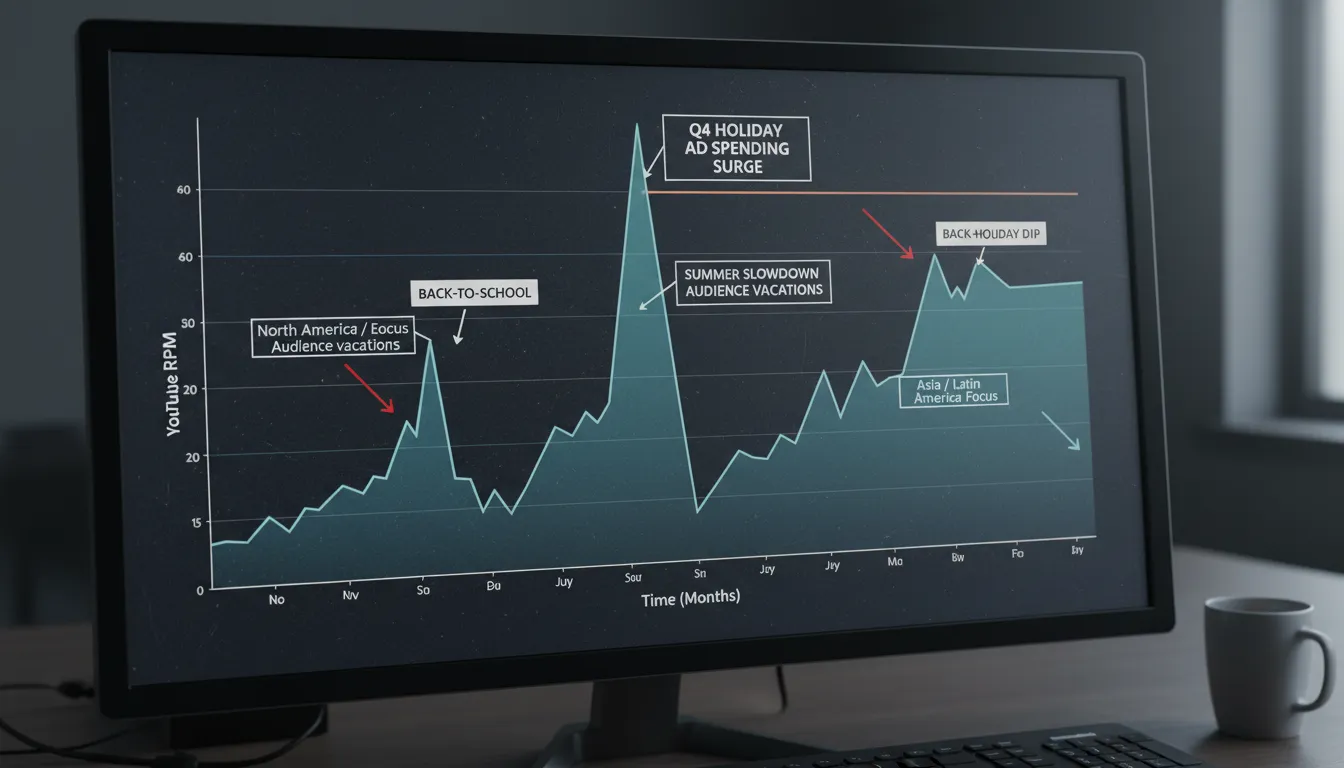
Audience Location Shifts
One of the primary drivers of RPM is the location of your audience. Viewers from certain countries, such as the US, Canada, and parts of Western Europe, tend to have a higher ad value, which translates to a higher RPM for creators.
If your audience has shifted towards regions with lower ad rates, such as some parts of Asia or South America, this could contribute to a noticeable drop in your overall RPM.
Seasonality and Ad Demand
YouTube’s advertising ecosystem is heavily influenced by seasonal trends. During peak shopping seasons, such as the holiday period, ad demand and competition typically increase, leading to higher RPM. Conversely, quieter times of the year may see a dip in RPM.
Understanding these seasonal fluctuations can help you better anticipate and plan for changes in your YouTube earnings.
Content and Audience Engagement
The type of content you create and the level of engagement from your audience can also impact your RPM. Videos with higher viewer retention, click-through rates, and ad impressions tend to generate more revenue per view.
If you’ve noticed a shift in your audience’s engagement or the performance of your content, this could be another factor contributing to your RPM drop.
To combat these challenges and increase your YouTube RPM, consider the following strategies:
1. Optimize for High-RPM Countries: Identify the countries with the highest ad rates and tailor your content to appeal to those audiences. Our [UK YouTube RPM 2026 guide](https://mykitchenincome.com/uk-youtube-rpm-2026-what-it-is-typical-ranges-and-how-to-increase-it/) can help you get started.
2. Leverage Seasonality: Plan your content and promotional strategies around peak ad-spending periods to maximize your earnings.
3. Improve Content and Engagement: Analyze your data to understand what content resonates best with your audience and make adjustments to increase viewer retention, click-through rates, and ad impressions.
By addressing these key factors, you can take proactive steps to boost your YouTube RPM and ensure your channel’s long-term success.
Advertisement
