
Mastering the Strategy, Monetization, and Legal Safety of YouTube Automation

YouTube automation

YouTube automation is a business model where a channel’s daily operations—such as scriptwriting, voiceovers, video editing, and thumbnail creation—are outsourced to freelancers, permanent teams, or generative AI tools, rather than being handled in-house. This approach allows the channel owner to focus on higher-level strategy, SEO, and scaling the business.

The Process of YouTube Automation

The process typically revolves around faceless YouTube channels, where the creator never appears on screen, making it easier to automate the production cycle.

1. Niche Selection: To be successful, owners look for niches with high RPM (Revenue Per Mille), which is the amount earned per 1,000 ad-supported views. Profitable niches often include finance, true crime, celebrities, and travel guides.

2. Market Research: Owners identify “high-to-low” opportunities—topics where videos have high traffic but the accounts have relatively few followers. They also study competitors to see what content performs best.

3. Content Production: The owner manages a workflow where scripts are written, voiceovers are recorded (sometimes using AI tools like Epidemic Sound’s “Voices”), and videos are assembled using stock footage and B-roll.

4. Optimization: The owner focuses on YouTube SEO using keyword tools to ensure the automated content reaches the intended audience.

Monetization Rules and Requirements

Automated content is eligible for monetization as long as it adheres to specific platform standards and legal requirements:

YouTube Partner Program (YPP): To earn directly from YouTube, the channel and its videos must meet all YPP eligibility requirements.

Copyright and Licensing: All components of the video, including music and footage, must be legally obtained and licensed. Relying too heavily on third parties without quality control can lead to copyright strikes or legal action.

Content Quality: YouTube may penalize or “downvote” content that is low-quality or uses unlicensed material. To remain monetized, creators must adhere to the platform’s Terms of Service and avoid misleading viewers with clickbait.

Alternative Streams: Beyond ad revenue, automated channels can also monetize through affiliate marketing.

earning potential on youtube automation

Earning Potential of YouTube automation

Earnings in YouTube automation are heavily influenced by the audience and topic:

Topic Impact: High-RPM topics like finance generally earn more than general entertainment.

Geographic Impact: Audiences in certain regions, such as the United States, often boast higher RPMs because advertisers in those markets are willing to pay more for ad placements.

Scalability: While beginners may start with free tools, scaling the business to increase earnings typically requires reinvesting profits into better production teams and higher-quality assets.

Think of YouTube automation like owning a franchise restaurant. Instead of being the chef who cooks every meal (the traditional creator), you are the owner who manages the systems, hires the staff, and ensures the location is profitable. While you aren’t in the kitchen, you are responsible for making sure the food meets quality standards and the business follows all health and safety regulations to stay open.

What are the legal risks associated with automated content?

While YouTube automation is a legal business model, it carries several significant legal and platform-related risks if not managed with strict oversight. These risks primarily stem from the heavy reliance on third parties and automated tools to generate content.

The primary legal risks include:

Copyright Infringement: Because automation often relies on freelancers, stock footage, or AI-generated assets, there is a constant risk of copyright compliance issues. If a channel owner does not carefully review their sources, they may inadvertently publish unlicensed material, which can lead to direct legal action.

Licensing Complications: Every component of a video—including music, images, and clips—must be legally obtained, created, and distributed. Music is particularly risky; using tracks without proper licensing agreements can jeopardize the entire video and the channel’s standing.

Terms of Service Violations: To stay within legal and operational bounds, creators must strictly adhere to YouTube’s Terms of Service. This includes avoiding deceptive practices like clickbaiting viewers or abusing licensing agreements.

Lack of Quality Control: Outsourcing the entire production chain can lead to “low-quality efforts” slipping through the cracks. This not only poses a legal risk regarding intellectual property but can also result in serious downvoting by the YouTube algorithm, which effectively kills the channel’s reach and revenue potential.

To mitigate these risks, channel owners need to review and check the sources for every piece of content they plan to publish, ensuring that all third-party contributions are fully licensed and compliant.

Analogy: Engaging in YouTube automation without strict oversight is like hiring a general contractor to build a house using materials they found themselves. If the contractor accidentally uses stolen lumber or ignores building codes (Terms of Service), you—as the owner—are the one who faces the legal consequences and the risk of the city (YouTube) condemning the building? To stay safe, you must inspect every “brick” to ensure it was bought legally and meets the required standards.

FAQS related to YT Automation

1. What exactly is the YouTube automation workflow?

YouTube automation is a business model where a channel’s daily tasks—such as scriptwriting, voiceovers, video editing, and thumbnail creation—are outsourced to freelancers or permanent teams rather than being handled by the owner. This allows the owner to focus on high-level strategy, SEO, and scaling the business.

2. Is YouTube automation legal and compliant with platform rules?

Yes, it is entirely legal as long as all video components (music, images, and clips) are legally obtained, created, and distributed. To remain compliant, owners must follow YouTube’s Terms of Service, avoid clickbait, and ensure they do not abuse copyright or licensing agreements.

3. Can I start an automated channel for free?

While beginners can start with free tools and help from friends, scaling the business typically requires financial investment. As the channel grows, you will likely need to reinvest profits to pay for professional teams or premium tools to keep the operation running smoothly.

4. How do I identify a profitable niche?

Profitable niches are often found by looking for topics with a high RPM (Revenue Per Mille), such as finance, true crime, or celebrities. A key strategy is finding “high-to-low” divides: topics where videos get high traffic despite the accounts having relatively few followers, indicating a high-interest niche that is not yet oversaturated.

5. How does generative AI fit into the automation process?

Many owners are now integrating generative AI tools into their workflows to produce high-engagement content at scale. For example, AI-powered tools like “Voices” allow creators to craft instant voiceovers using world-class voice artists directly within their editing software.

6. What are the primary ways to monetize automated content?

Automated channels are eligible for the YouTube Partner Program (YPP) and can earn ad revenue just like traditional channels, provided they meet all eligibility requirements. Additionally, many owners diversify their income through third-party methods like affiliate marketing.

7. What are the biggest risks of using this model?

The main downsides include a potential lack of quality control and risks of copyright infringement if third-party contributors use unlicensed material. If content is deemed “low-quality” or violates licensing, it can lead to legal action or serious downvoting by the YouTube algorithm, which reduces the channel’s reach.


Are You Missing Out on Passive Income from AI Tools?

Introduction: The Dawn of a New Financial Era

In today’s digital age, the fusion of technology and automated systems opens up a plethora of opportunities for generating income. Among these, Artificial Intelligence (AI) stands out as a revolutionary tool, reshaping how we think about work and income generation. This article explores the innovative ways AI can be leveraged to create passive income, ensuring financial growth with minimal active involvement.

What is Passive Income?

Understanding the Basics

Passive income is often viewed as the Holy Grail of financial freedom. It is income that requires little to no effort to earn and maintain, unlike active income, which is earned from performing a service. This type of income includes earnings from a rental property, dividends, interest, royalties, and revenue from businesses that do not require direct daily oversight.

The Role of AI in Passive Income

AI amplifies the potential of passive income by automating tasks that traditionally require human intervention. The technology’s ability to learn and adapt can turn it into a powerful tool for generating income on autopilot.

The AI Tools Revolutionizing Passive Income

AI in Content Creation

AI tools like OpenAI’s GPT-3 have transformed content creation by automating the writing process. Bloggers and website owners can now produce articles, guides, and even books with AI, drastically reducing the time and effort involved in content creation.

Case Study: Automating Blog Content

Imagine running a blog that automatically updates itself with fresh, relevant content tailored to your audience’s preferences. AI tools can analyze trending topics and generate articles that not only engage readers but also boost SEO rankings, driving more passive traffic to your site.

AI in Stock Trading

Algorithmic Trading

AI-driven algorithmic trading platforms use complex algorithms to analyze market data and execute trades at high speeds. Tools like AlgoTrader allow individuals to tap into this technology, automating their investment strategy and potentially generating passive income from the stock market.

AI in E-commerce

Personalized Shopping Experiences

AI can analyze customer data to provide personalized shopping experiences, increase sales, and generate passive revenue. By implementing AI to manage inventory and customer relations, e-commerce businesses can run efficiently with minimal human oversight.

Step-by-Step Guide to Setting Up Your AI Passive Income Stream

Step 1: Identify Your Niche

Start by identifying a niche that aligns with your interests and market demand. Whether it’s content creation, stock trading, or e-commerce, choosing the right niche is crucial for success.

Step 2: Select the Right AI Tools

Research and select AI tools that best suit your chosen niche. Consider factors like cost, ease of use, and support provided by the tool developers.

Step 3: Set Up and Optimize

Set up your AI systems and optimize them for your specific needs. This might involve training AI models on relevant data or tweaking algorithms to better suit your strategy.

Step 4: Monitor and Tweak

Once everything is up and running, continuously monitor the performance of your AI systems. Be prepared to make adjustments as needed to maintain efficiency and profitability.

The Pros and Cons of AI-Driven Passive Income

Advantages

  • Efficiency and Scalability: AI can handle large volumes of tasks simultaneously, increasing efficiency and potential income.
  • Precision and Accuracy: AI reduces the risk of human error, which is particularly beneficial in fields like stock trading.

Challenges

  • Initial Setup Cost: Setting up AI systems can be costly and require a significant upfront investment.
  • Technical Knowledge Required: A certain level of technical expertise is necessary to implement and maintain AI systems.

Real-Life Success Stories

Story 1: The Automated Blogger

John, a tech enthusiast, used AI to automate his gadget review blog. By implementing content generation tools, he managed to keep his blog updated with minimal effort, significantly increasing his ad revenue.

Story 2: The AI Stock Trader

Sarah used an AI-driven trading bot to manage her stock investments. The bot’s ability to analyze market data and execute trades quickly helped her generate a steady stream of passive income.

The Future of Passive Income with AI

Innovations on the Horizon

The future looks promising with ongoing advancements in AI technology. We can expect even more sophisticated tools that make generating passive income easier and more accessible to everyone.

Conclusion: Embracing AI for Financial Growth

Leveraging AI for passive income is not just about financial gain; it’s about optimizing your time and resources in a smart, efficient way. As AI continues to evolve, the possibilities for automated income streams will expand, making it an exciting area for innovation and growth.

FAQs

  1. What is the best AI tool for beginners interested in passive income?
  • For beginners, AI tools that require minimal setup and offer user-friendly interfaces are best. Tools like GPT-3 for content generation or simple trading bots for stock investments are great starting points.
  1. How much initial investment is needed to start using AI for passive income?
  • The investment can vary widely depending on the AI technology and the scale at which you want to implement it. Basic subscriptions for AI services can start from as little as $20 a month, while more sophisticated systems may require thousands of dollars in setup fees.
  1. Is AI-driven passive income completely hands-off?
  • While AI can automate many aspects of income generation, some oversight and maintenance are usually necessary to ensure everything runs smoothly.
  1. What are the risks associated with using AI for passive income?
  • Potential risks include technological failures, unexpected costs, and the need to stay updated with rapidly changing technologies.
  1. Can AI replace human creativity and intuition in content creation?
  • AI can mimic certain aspects of human creativity, but it lacks the true intuition and emotional depth that human content creators bring. It’s best used as a tool to augment human creativity, not replace it.

10 best AI Recruitment Tools: Energizing the Revolution in the Hiring Process with Unparalleled Efficiency and Innovation

AI Recruitment Tools

In today’s competitive job market, the role of artificial intelligence (AI) recruitment tools cannot be overstated. These advanced tools have emerged as invaluable assets to modern recruiting teams, offering innovative solutions for sourcing, screening, and hiring top talent. In this article, we’ll delve into the world of AI recruitment tools, exploring the best options available, how they can be harnessed in the hiring process, and which companies are at the forefront of this transformative trend.

Introduction to AI Recruitment Tools

Gone are the days when recruiting professionals feared the prospect of AI replacing their jobs. Instead, they have embraced the idea that AI can enhance their capabilities and streamline their operations. AI recruitment tools are the manifestation of this shift, designed to assist in various facets of the hiring process. They are adept at sourcing candidates, automating outreach, optimizing job descriptions, and even evaluating thousands of resumes to identify the ideal candidates.

However, the rapidly evolving landscape of AI recruitment tools can make it challenging to distinguish genuinely useful solutions from marketing hype. To help you navigate this realm, we’ve conducted extensive research to uncover the top AI recruiting tools, their applications, and what to expect when incorporating AI into your recruitment strategies.

Top AI Recruitment Tools

  1. Fetcher: Highly Specialized AI Sourcing & Outreach Tool
    • Duties: Fetcher excels at sourcing candidates and automating outreach. It is a go-to tool for identifying top talent.
    • Salary: Link to Apply
  2. Manatal: SMB-Friendly AI-Powered ATS
    • Duties: Manatal serves as an applicant tracking system (ATS) powered by AI. It’s ideal for small to medium-sized businesses.
    • Salary: Link to Apply
  3. hireEZ: Best for Sourcing & Talent Insights
    • Duties: This tool specializes in sourcing candidates and providing valuable talent insights.
    • Salary: Link to Apply
  4. eightfold: AI Recruiting + Coaching & Skills Development
    • Duties: Eightfold offers AI-driven recruitment and coaching for skills development.
    • Salary: Link to Apply
  5. HireVue: AI Recruiting for Large Enterprises
    • Duties: HireVue is an AI-driven platform tailored for large enterprises’ recruitment needs.
    • Salary: Link to Apply
  6. Paradox: AI Focus on High-Volume Hiring
    • Duties: Paradox is designed to streamline high-volume hiring with AI-driven solutions.
    • Salary: Link to Apply
  7. Findem: Outbound Recruiting & Attribute Searching
    • Duties: Findem focuses on outbound recruiting and attribute searching using AI.
    • Salary: Link to Apply
  8. Humanly: Best for Mid-Market Companies
    • Duties: Humanly is well-suited for mid-market companies, offering comprehensive recruitment solutions.
    • Salary: Link to Apply
  9. AmazingHiring: Best for Sourcing Tech Candidates
    • Duties: AmazingHiring specializes in sourcing technology-focused candidates.
    • Salary: Link to Apply
  10. Textio: Best for Recruitment Marketing Optimization
    • Duties: Textio focuses on optimizing recruitment marketing efforts through AI.
    • Salary: Link to Apply

What is AI Recruitment Tool?

AI recruitment tools are sophisticated software solutions that leverage artificial intelligence to enhance various aspects of the hiring process. They streamline tasks such as candidate sourcing, resume screening, and outreach, ultimately making the recruitment process more efficient and effective.

What is the Best AI for Recruitment?

The “best” AI for recruitment depends on your specific needs. Different tools cater to various aspects of recruitment, from sourcing to candidate assessments. The ideal choice is one that aligns with your company’s goals and resources.

How Can You Use AI Tools in the Hiring Process?

AI tools can be integrated into the hiring process by identifying where they can add value. This may include automating repetitive tasks, improving candidate matching, and enhancing the overall candidate experience.

What Companies Use AI for Recruitment?

Numerous companies across various industries have embraced AI recruitment tools to streamline their hiring processes and source top talent. From tech giants to startups, AI is making waves in recruitment.

Conclusion

AI recruitment tools have evolved into indispensable assets for modern recruiting teams. They offer a multitude of solutions, from sourcing and outreach to candidate assessments. By harnessing the power of AI, businesses can not only streamline their hiring processes but also secure top talent efficiently. To stay competitive in the ever-evolving job market, embracing AI recruitment tools is no longer an option – it’s a necessity.

FAQs

Are AI recruitment tools cost-effective for small businesses?

Yes, many AI recruitment tools cater to small and medium-sized businesses, offering cost-effective solutions to streamline hiring processes.

Can AI recruitment tools completely replace human recruiters?

No, AI tools enhance human recruiters’ capabilities but do not replace them. Human judgment, empathy, and personal touch remain essential.

How do I choose the right AI recruitment tool for my company?

Assess your specific recruitment needs, budget, and available resources to determine which AI tool aligns with your requirements.

Are there ethical concerns associated with AI recruitment tools?

Yes, ethical concerns, such as bias in algorithms, exist. It’s crucial to use AI tools responsibly and ensure fairness in the recruitment process.

What’s the future of AI in recruitment?

The future promises further advancements in AI recruitment tools, with an increased focus on personalization and efficiency to meet evolving job market demands.

Increase your potential: How to Earn $500 Every Day on Facebook

How to earn $500 every day on Facebook

Introduction

In this article, we will explore various strategies and techniques that can be an answer to how to earn $500 every day on Facebook. In today’s digital age, social media platforms offer numerous opportunities to earn money online. Facebook, being the largest social media platform with billions of active users, presents an ideal platform for individuals looking to make a substantial income.

Understanding Facebook as a Money-Making Platform

Before diving into the ways of earning money on Facebook, it is essential to understand the platform’s potential and how it can be leveraged for financial gain. Facebook provides a vast user base, diverse demographics, and powerful advertising tools, making it an ideal platform for businesses and individuals to reach their target audience effectively.

Creating a Profitable Facebook Page

To begin your journey towards earning money on Facebook, it is crucial to create a compelling and profitable Facebook page. Here are some steps to get started:

Choosing a Niche

Selecting a niche that aligns with your interests, expertise, and market demand is vital. Focus on a specific topic or industry that allows you to cater to a target audience effectively.

Optimizing Page Settings

Optimize your Facebook page settings by providing accurate and engaging information about your brand, including a catchy profile picture, cover photo, and a well-crafted bio. Ensure that your page is discoverable and easily searchable.

Building a Strong Brand

Develop a strong brand presence by creating consistent and high-quality content that resonates with your target audience. Use engaging visuals, compelling copywriting, and interactive elements to build a loyal following.

Growing Your Facebook Page

Once you have set up your Facebook page, the next step is to grow its reach and engagement. Here are some strategies to consider:

Content Strategy

Develop a content strategy that focuses on providing value to your audience. Create a mix of informative, entertaining, and shareable content to keep your followers engaged and attract new ones.

Engaging with Your Audience

Actively engage with your audience by responding to comments, messages, and inquiries promptly. Encourage discussions, ask questions, and foster a sense of community on your page.

Collaborating with Influencers

Collaborating with influencers in your niche can expand your reach and credibility. Seek out influencers who align with your brand values and collaborate on content or promotions that benefit both parties.

Monetizing Your Facebook Page

Once your Facebook page has gained a substantial following, it’s time to monetize your efforts. Here are a few ways to generate income:

Affiliate Marketing

Join affiliate programs and promote products or services relevant to your niche. Earn a commission for every sale or lead generated through your affiliate links.

Sponsored Posts

Partner with brands and businesses to create sponsored posts. Promote their products or services to your audience in exchange for a fee or commission.

Selling Your Own Products or Services

If you have your own products or services, leverage your Facebook page to promote and sell them directly to your audience. Create compelling offers and provide a seamless purchasing experience.

Leveraging Facebook Groups

In addition to your Facebook page, participating in relevant Facebook groups can further enhance your earning potential. Here’s how to make the most of Facebook groups:

Finding and Joining Relevant Groups

Search for groups that align with your niche and join those with active engagement and a sizeable user base. Ensure the group rules allow promotional activities.

Providing Value and Building Relationships

Engage with group members by providing valuable insights, answering questions, and sharing your expertise. Build relationships with like-minded individuals and potential customers.

Promoting Your Offers

Once you have established yourself as a valuable member of the group, subtly promote your offers or content that aligns with the group’s interests. Avoid being overly promotional to maintain the trust of the community.

How to earn $500 every day on Facebook Facebook and meta logo emails

Facebook Ads for Profit

Facebook Ads can be a powerful tool to reach a broader audience and generate revenue. Here’s how to leverage Facebook Ads effectively:

Setting up a Facebook Ads Account

Create a Facebook Ads account and familiarize yourself with the platform’s features and targeting options. Set a budget and define your advertising objectives.

Targeting the Right Audience

Use Facebook’s targeting options to narrow down your audience based on demographics, interests, behaviors, and more. Refine your targeting to reach individuals most likely to convert.

Creating Compelling Advertisements

Design visually appealing and engaging advertisements that resonate with your target audience. Craft compelling copywriting that clearly communicates the value and benefits of your offers.

Analyzing and Optimizing Performance

Regularly monitor your Facebook page and ad campaign performance to identify areas of improvement and optimize your strategies. Here’s what you need to do:

Monitoring Insights and Analytics

Utilize Facebook’s Insights and Analytics tools to track key metrics such as reach, engagement, click-through rates, and conversion rates. Identify patterns and trends to make data-driven decisions.

Testing and Tweaking Strategies

Continuously experiment with different content formats, ad creatives, targeting options, and promotional strategies. Split-test your campaigns to determine what works best for your audience.

Scaling Up Successful Campaigns

Once you identify successful campaigns, scale up your efforts by allocating more budget and resources to maximize your returns. Expand your reach and grow your revenue.

Other Ways to Make Money on Facebook

Apart from the strategies mentioned above, there are additional avenues to explore for earning money on Facebook:

Facebook Marketplace

Utilize Facebook Marketplace to sell physical products locally or nationally. List your items, communicate with potential buyers, and complete transactions securely.

Facebook Live

Leverage the power of live video streaming through Facebook Live. Engage with your audience in real-time, showcase products, provide tutorials, or host Q&A sessions to generate income.

Facebook Gaming

If you are passionate about gaming, consider becoming a Facebook Gaming Creator. Stream your gameplay, build a community, and earn money through fan support, sponsorships, and ad revenue.

Conclusion

Earning $500 every day on Facebook is possible by leveraging the platform’s vast user base, advertising tools, and various monetization strategies. By creating a profitable Facebook page, growing your audience, and utilizing different earning avenues like affiliate marketing, sponsored posts, and Facebook groups, you can generate significant income. Remember to analyze your performance, optimize your strategies, and explore additional opportunities to maximize your earnings.

FAQs

1. How long does it take to start earning money on Facebook?

The time it takes to start earning money on Facebook varies. It depends on factors such as your niche, content quality, audience engagement, and marketing efforts. Some individuals may see results within a few weeks, while others may take several months to build a substantial income.

2. Can I earn money on Facebook without investing any money?

Yes, it is possible to earn money on Facebook without any initial investment. However, investing in paid advertising, content creation tools, or professional services can accelerate your growth and increase your earning potential.

3. Are there any age restrictions for earning money on Facebook?

To create and manage a Facebook page, you need to be at least 13 years old. However, some monetization strategies, such as affiliate marketing or selling products, may have age restrictions or require parental consent.

4. What are the best practices for engaging with my Facebook audience?

Engaging with your Facebook audience is crucial for building a loyal following. Respond promptly to comments and messages, ask questions, encourage discussions, and provide valuable insights. Treat your audience as a community and foster a sense of belonging.

5. Can I earn money on Facebook if I don’t have a product or service to sell?

Yes, you can still earn money on Facebook even if you don’t have your own products or services. Consider affiliate marketing, sponsored posts, or promoting other people’s products as an influencer. Additionally, you can explore opportunities like Facebook Marketplace or Facebook Live to generate income without selling your own offerings.

Related Articles:

mykitchenincome.com/how-to-request-rating-on-facebook-marketplace

23 PASSIVE INCOME IDEAS TO BUILD WEALTH (2023)

Residual Income Made Easy: Start Earning Today in 2023

How to Monetize a Website: Manage Subscriptions is best

How to Monetize a Website women holding a lot of cash

Introduction to Monetizing a Website

With the growing popularity of online businesses, how to monetize a website has become a crucial aspect of running a successful business. One effective way to monetize a website is by implementing a subscription model. In this article, we will explore the process of monetizing a website and managing subscriptions on a WordPress website.

Monetizing a website involves implementing strategies to generate revenue from the traffic and user engagement on your website. There are various approaches to monetization, including affiliate marketing, display advertising, sponsored content, selling products or services, and the membership or subscription model.

Choosing a Monetization Strategy for How to Monetize a Website

Before diving into managing subscriptions, it’s important to choose the right monetization strategy for your website. Each strategy has its own advantages and considerations. Here are a few popular options:

Affiliate Marketing

Affiliate marketing involves promoting products or services and earning a commission for each sale or lead generated through your referral. It requires finding relevant affiliate programs and integrating affiliate links into your content.

Display Advertising

Display advertising involves displaying ad banners or videos on your website, and you earn revenue based on the number of impressions or clicks the ads receive. Google AdSense is a popular ad network for publishers.

Sponsored Content

Sponsored content involves collaborating with brands to create content that promotes their products or services. You receive compensation for featuring the sponsored content on your website.

Selling Products or Services

If you have your own products or services, you can sell them directly on your website. This approach requires setting up an e-commerce system and managing inventory, payments, and shipping.

Membership or Subscription Model about How to Monetize a Website

The membership or subscription model involves offering exclusive content or services to subscribers who pay a recurring fee. This model provides a steady stream of revenue and fosters a loyal community.

How to Monetize a Website and use of subscriptions same as netflix business model

Benefits of Managing Subscriptions on a WordPress Website

Managing subscriptions on a WordPress website offers several benefits. Firstly, it provides a predictable and recurring revenue stream, ensuring a stable income for your business. Additionally, it allows you to offer premium content or services exclusively to subscribers, creating a sense of exclusivity and value. Moreover, WordPress provides various plugins and tools to easily set up and manage subscriptions without extensive technical knowledge. How to Monetize a Website not only applies to WordPress, it can be applied to any CMS.

Setting Up a Subscription System on WordPress

To set up a subscription system on your WordPress website, follow these steps:

Installing a Membership Plugin

Choose a suitable membership plugin for WordPress, such as MemberPress, Paid Memberships Pro, or WooCommerce Memberships. Install and activate the plugin on your website.

Configuring Membership Levels and Access

Define different membership levels based on the features and content you want to offer to subscribers. Determine what each membership level provides in terms of access and benefits.

Creating Subscription Plans

Create subscription plans with different pricing options and durations. Ensure clear communication of the benefits and value subscribers will receive.

Integrating Payment Gateways

Integrate payment gateways like PayPal, Stripe, or Authorize.net to facilitate secure and seamless payment processing for your subscribers.

How to Monetize a Website by Promoting Subscriptions and Driving Traffic?

Once your subscription system is set up, it’s essential to promote subscriptions and drive traffic to your website. Here are some effective strategies:

Offering Exclusive Content

Create high-quality, exclusive content that is only accessible to subscribers. This will incentivize visitors to become subscribers and increase the perceived value of your subscription offerings.

Using Email Marketing

Build an email list and leverage email marketing to nurture leads and convert them into subscribers. Send regular newsletters, exclusive offers, and personalized content to engage your audience.

Leveraging Social Media

Utilize social media platforms to promote your subscription offerings. Share snippets of exclusive content, testimonials from satisfied subscribers, and special promotions to attract new subscribers.

Collaborating with Influencers

Partner with influencers or industry experts who have a large following and influence. Their endorsement of your subscription offerings can significantly boost visibility and attract new subscribers.

Analyzing and Optimizing Subscription Performance

To ensure the success of your subscription model, it’s crucial to continuously analyze and optimize its performance. Here are some key steps:

Tracking Subscription Metrics

Monitor metrics such as subscriber growth, churn rate, and revenue to measure the performance of your subscription model. Identify trends and make data-driven decisions to improve your offerings.

Analyzing User Behavior

Use analytics tools like Google Analytics to understand how subscribers interact with your website and content. Identify areas for improvement and optimize the user experience to increase retention.

Optimizing Conversion Rates

Implement A/B testing and conversion rate optimization techniques to improve the conversion of visitors into subscribers. Test different pricing strategies, call-to-action buttons, and landing page designs.

How to Monetize a Website also links to Salaries of Jobs Related to Website Monetization

Here are some jobs related to website monetization along with their salaries and duties:

Content Marketing Manager

  • Salary Range: $50,000 – $100,000 per year
  • Duties: Developing content marketing strategies, creating and optimizing content, managing social media channels, and analyzing content performance.

SEO Specialist

  • Salary Range: $40,000 – $80,000 per year
  • Duties: Conducting keyword research, optimizing website content, improving search engine rankings, monitoring website performance, and analyzing SEO metrics.

Digital Advertising Manager

  • Salary Range: $60,000 – $120,000 per year
  • Duties: Developing and executing digital advertising campaigns, managing ad budgets, analyzing campaign performance, and identifying opportunities for optimization.

E-commerce Manager

  • Salary Range: $70,000 – $130,000 per year
  • Duties: Overseeing online store operations, managing product listings, optimizing conversion rates, analyzing sales data, and implementing marketing strategies.

Conclusion

Monetizing a website and managing subscriptions on a WordPress website can be a lucrative endeavour. By choosing the right monetization strategy, setting up an effective subscription system, and implementing promotional and optimization techniques, you can generate consistent revenue and foster a loyal community of subscribers.

Table Showing essential Plugins that you need for the Subscription feature on your WordPress website

WebsiteMethodVisit
WooCommerce MembershipsSelling membershipsPlugin Link
Restrict Content ProRestricting content accessPlugin Link
Easy Digital DownloadsSelling digital downloadsPlugin Link
MemberPressManaging memberships and subscriptionsPlugin Link

Read More

FAQs

Q: Can I use multiple monetization strategies on my website?

A: Yes, you can combine different monetization strategies to maximize revenue potential.

Q: How can I retain subscribers and reduce churn rate?

A: Offer valuable and exclusive content, regularly engage with subscribers, and provide exceptional customer service.

Q: Are there any free plugins for managing subscriptions on WordPress?

A: Yes, there are free membership plugins available on the WordPress plugin repository, such as Restrict Content, s2Member, and Simple Membership.

Q: How often should I analyze subscription metrics?

A: It’s recommended to analyze subscription metrics on a regular basis, such as monthly or quarterly, to track performance and make informed decisions.

Q: What skills are essential for a website monetization specialist?

A: Skills such as digital marketing, content creation, data analysis, and an understanding of consumer behavior are crucial for a website monetization specialist.

Read More

The Secret Source of Extra Income Crossword Puzzle

Source of Extra Income Crossword

Introduction

In this article, we will explore how creating crossword puzzles can become a rewarding source of Extra Income crossword additional earnings. Are you someone who loves wordplay and solving puzzles? Imagine if your knack for crafting clever word combinations could not only challenge others but also bring in some extra income. This is where the world of crossword puzzles enters the scene.

Getting Started with Extra Income Crossword

Basics of Crossword Puzzles

Crossword puzzles have been a beloved pastime for decades. They consist of a grid of white and shaded squares, each of which needs to be filled with a letter to complete words based on given clues. These puzzles come in various sizes and difficulty levels, offering entertainment to a broad audience.

Popularity and Demand for Crossword Puzzles

The allure of crossword puzzles hasn’t waned with time; in fact, it’s quite the opposite. Newspapers, magazines, and online platforms continue to feature crosswords due to their popularity among readers and puzzle enthusiasts. This consistent demand translates into opportunities for creators.

Platforms for Crossword Creation

Numerous platforms and publications actively seek fresh crossword content. Websites like The New York Times, USA Today, and The Guardian offer opportunities for constructors to contribute puzzles. These platforms not only provide exposure but also compensation for accepted puzzles.

Steps to Creating Extra Income through Crossword Puzzles

Developing Crossword Construction Skills

Crafting quality crosswords requires understanding the rules and nuances of construction. Delve into resources like puzzle-making guides and crossword construction books to learn about grid design, symmetry, and creating clues that challenge but don’t frustrate solvers.

Brainstorming and Theme Selection

Themes add an engaging twist to crosswords. Brainstorm unique themes that resonate with solvers, such as wordplay, current events, or nostalgic references. Tailoring themes to different audiences, like beginners or experts, can make your puzzles stand out.

Source of Extra Income Crossword Puzzle Grid Design and Clue Writing

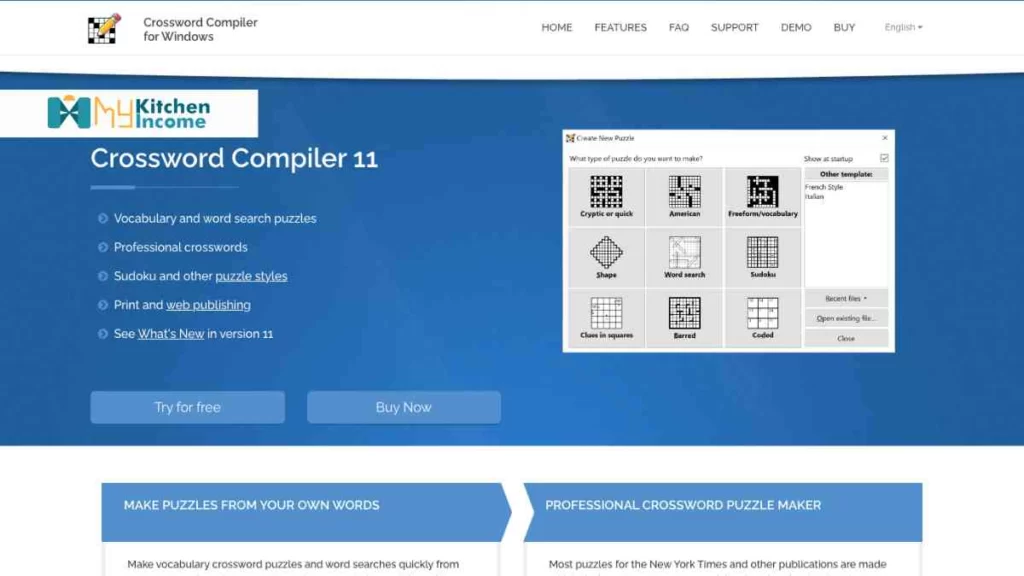
Designing the grid layout is an art in itself. Software tools like Crossword Compiler and Crossfire offer user-friendly interfaces to design grids digitally. Writing clues is where your creativity shines – craft clues that are clever, concise, and require a moment of thought.

Source of Extra Income Crossword

Software and Tools for Crossword Construction

While traditional paper-and-pencil methods still work, crossword construction software can streamline the process. Crossword Compiler assists in grid creation and clue management, making it an invaluable tool for efficiency.

Publishing and Monetizing Crossword Puzzles

Submitting Puzzles to Publishers

Major publications often accept freelance crossword submissions. Research their submission guidelines and tailor your puzzle to their style and difficulty level. Compensation varies, but it’s common to receive a fee upon acceptance.

Self-Publishing and Digital Platforms

Embrace the digital age by self-publishing your crosswords. Websites and apps allow you to monetize your puzzles through subscriptions or one-time purchases. Platforms like Patreon provide a way for fans to support your work directly.

Collaborating with Media Outlets

Consider collaborating with newspapers, magazines, or online blogs. These collaborations can lead to a regular puzzle column or a partnership for themed crosswords tied to special occasions or events.

Source of Extra Income Crossword Puzzle Challenges and Strategies

Overcoming Creative Blocks

Just like any creative endeavour, crossword construction can hit roadblocks. When inspiration wanes, take a break, work on a different puzzle, or engage in activities that recharge your creativity.

Handling Rejection and Feedback

Rejection is part of the creative process. Don’t be disheartened – use feedback to improve. Analyze constructive criticism and apply it to your future puzzles.

Adapting to Changing Trends

Stay attuned to the evolving preferences of crossword solvers. Themes and cultural references that were popular years ago might not resonate today. Flexibility and willingness to adapt are key.

table showing the steps to creating extra income through crossword puzzles, along with some facts about income and examples:

Source of Extra Income Crossword

Here are some additional facts about income:

  • The richest 1% of Americans own more wealth than the bottom 90% combined.
  • The gap between the rich and the poor is growing wider.
  • The cost of living is rising faster than wages, making it difficult for many people to make ends meet.

Here are some examples of people who have made money creating crossword puzzles:

  • David Steinberg is a crossword puzzle creator who has made over \$1 million from his puzzles.
  • Merl Reagle is another successful crossword puzzle creator who has made over \$500,000 from his puzzles.
  • Margaret Farrar was a crossword puzzle creator who was the first woman to win the Pulitzer Prize for Puzzle Writing.

Source of Extra Income Crossword Puzzle Success Stories

Profiles of Successful Crossword Constructors Discover the stories of crossword creators who turned their passion into a sustainable income source. Learn from their journeys, strategies, and the hurdles they overcame.

Legal and Ethical Considerations

Copyright and Intellectual Property When creating crosswords, it’s important to respect copyright and intellectual property rights. Avoid using copyrighted material without proper permission and ensure the originality of your work.

Avoiding Plagiarism Plagiarism is a serious offence in the world of crossword construction. Craft your own clues and grids, and if you use inspiration from existing puzzles, always credit the source.

Source of Extra Income Crossword

Tips for Beginners

Starting Small and Building Skills Begin with smaller grids and gradually move to more complex ones as you gain confidence. Focus on improving your construction and clue-writing skills over time.

Seeking Mentorship Connect with experienced crossword constructors for advice and guidance. Online forums, workshops, and mentorship programs can provide valuable insights.

Consistent Practice Practice makes perfect. Set aside regular time for puzzle creation. The more you practice, the more your skills will improve.

Conclusion

Recap of Crosswords as Extra Income The world of crossword puzzles isn’t just about solving; it’s also about creating and earning. Whether you’re a seasoned constructor or just starting, the opportunities are diverse and exciting. Crafting crosswords can be a fulfilling way to combine your love for words with a potential income stream.

Encouragement to Pursue Opportunities Don’t hesitate to embark on this crossword journey. With persistence and dedication, you can turn your passion into a source of income while bringing joy to countless solvers.

FAQs

Q1: How much can you earn from creating crosswords?

A1: Earnings vary widely depending on factors such as the publication, puzzle complexity, and your experience. Some constructors earn a few hundred dollars per puzzle, while established ones can command higher fees.

Q2: Are there any specific software tools recommended for crossword construction?

A2: Yes, software like Crossword Compiler, Crossfire, and others streamline the construction process, aiding in grid design and clue creation.

Q3: What are some common themes for crossword puzzles?

A3: Themes can range from wordplay and puns to pop culture references, historical events, and more. The possibilities are endless.

Q4: Can I submit the same crossword puzzle to multiple publishers?

A4: Generally, exclusivity agreements might prevent simultaneous submissions. Review the guidelines of each publisher before submitting.

Q5: Do I need to be an expert in a particular subject to create themed crosswords?

A5: While expertise can enhance your themed puzzles, research and curiosity can also lead to well-crafted crosswords on a variety of topics.

Read More

How to Manage Restaurant Passive Income

How to Manage Restaurant Passive Income

Introduction

In this article, we will explore how to manage restaurant passive income using various strategies to build and manage passive income for your restaurant, allowing you to earn money even when you’re not actively working. If you own a restaurant, you know how challenging it can be to manage day-to-day operations and generate consistent profits. However, there is a way to secure a steady stream of income without constantly being tied to your business – through passive income.

Gant Chart: Action Plan to Manage Passive Income for a Restaurant

Gantt Chart – Restaurant Passive Income Management

Gantt Chart – Restaurant Passive Income Management

Task Duration Start Date End Date
1. Building a Solid Foundation
  – Choose the Right Location 2 weeks 2023-08-01 2023-08-15
  – Develop a Unique Concept 1 weeks 2023-08-16 2023-08-22
  – Create an Efficient Business Plan 2 weeks 2023-08-23 2023-09-05
  – Hire the Right Team 3 weeks 2023-09-06 2023-09-26
2. Diversifying Income Streams
  – Offer Catering Services 2 weeks 2023-09-27 2023-10-11
  – Host Events and Parties 3 weeks 2023-10-12 2023-11-01
  – Sell Branded Merchandise 1 weeks 2023-11-02 2023-11-01
3. Leveraging Technology
  – Set Up Online Ordering 3 weeks 2023-11-23 2023-12-13
  – Utilize Food Delivery Apps 2 weeks 2023-12-14 2023-12-27
  – Create a User-Friendly Website 1 weeks 2023-12-28 2024-01-03
  – Implement Online Marketing 2 weeks 2024-01-04 2024-01-17
4. Investing in Real Estate
  – Purchase Commercial Properties 4 weeks 2024-01-18 2024-02-14
  – Rent Out Excess Space 2 weeks 2024-02-15 2024-02-28
  – Sublease to Complementary Businesses 3 weeks 2024-02-29 2024-03-20
5. Franchising the Restaurant
  – Understand Franchising Process 3 weeks 2024-03-21 2024-04-10
6. Continuously Innovate and Stay Ahead
  – Monitor Industry Trends Ongoing 2025-05-15 2025-12-31
  – Regularly Update Menu and Services 3 weeks 2026-01-01 2026-01-21
  – Embrace Sustainability Initiatives Ongoing 2026-01-22 2026-12-31

1. Introduction

Definition of Passive Income in the Restaurant Industry

Passive income refers to earnings derived from activities that require minimal effort and time once set up. In the context of the restaurant industry, it involves generating revenue without the need for direct involvement in daily operations.

Importance of Passive Income for Restaurant Owners

Passive income provides financial stability and freedom, allowing restaurant owners to explore other opportunities and enjoy a work-life balance. By diversifying income streams, restaurant owners can create a more resilient and profitable business model.

2. Building a Solid Foundation for Your Restaurant

Choosing the Right Location

Selecting a prime location is crucial for attracting customers and ensuring a steady flow of business.

Developing a Unique Concept

Creating a distinct and appealing restaurant concept sets you apart from competitors and attracts a loyal customer base.

Creating an Efficient Business Plan

A well-structured business plan helps in making informed decisions and achieving long-term success.

Hiring the Right Team

Employing skilled and motivated staff ensures smooth operations and excellent customer service.

How to Manage Restaurant Passive Income

3. Diversifying Your Income Streams

Offering Catering Services

Catering services can provide a significant additional income stream, especially for corporate events and parties.

Hosting Events and Parties

Organizing private events and parties in your restaurant can attract new customers and generate revenue.

Selling Branded Merchandise

Branded merchandise, such as t-shirts and mugs, can serve as promotional items while generating passive income.

Implementing a Loyalty Program

A loyalty program encourages repeat customers and boosts customer retention, leading to increased sales.

4. Leveraging Technology for Passive Income

Setting Up Online Ordering and Delivery

Online ordering and delivery options expand your reach and cater to customers who prefer convenience.

Utilizing Food Delivery Apps

Partnering with popular food delivery apps can attract new customers and increase sales.

Creating a User-Friendly Website

A professional and user-friendly website enhances your online presence and boosts customer engagement.

Implementing a Successful Online Marketing Strategy

Strategic online marketing helps in reaching a wider audience and increasing brand visibility.

5. Investing in Real Estate for Restaurant Expansion

Purchasing Commercial Properties

Investing in commercial properties allows you to earn rental income while securing expansion opportunities.

Renting Out Excess Space

If your restaurant has extra space, consider renting it out to complementary businesses.

Subleasing to Complementary Businesses

Subleasing to compatible businesses can create a symbiotic relationship and generate extra income.

6. Franchising Your Restaurant Concept

Understanding the Franchising Process

Franchising your restaurant allows you to expand rapidly and earn royalties from franchisees.

Identifying Franchise Partners

Selecting the right franchise partners is essential for maintaining the integrity of your brand.

Establishing Standard Operating Procedures

Creating well-defined operating procedures ensures consistency across all franchise locations.

7. Building a Strong Online Presence

Engaging in Social Media Marketing

An active social media presence fosters engagement and allows you to connect with your target audience.

Managing Online Reviews and Reputation

Positive online reviews and testimonials attract new customers and build trust.

Utilizing Influencer Marketing

Partnering with influencers can significantly increase your restaurant’s visibility and reach.

8. Offering Subscription-Based Services

Monthly Meal Plans

Subscription-based meal plans provide a reliable income source and build customer loyalty.

Cooking Classes and Workshops

Hosting cooking classes and workshops can be an exciting experience for customers while generating income.

Specialty Food Boxes

Curated food boxes allow customers to enjoy your restaurant’s offerings at home, creating additional revenue.

9. Creating a Membership Program

Exclusive Dining Experiences

Offering exclusive dining experiences and events for members creates a sense of exclusivity.

Discounts and Special Offers

Member-exclusive discounts and promotions encourage customers to join the program.

VIP Events

Organizing VIP events enhances customer engagement and provides opportunities for upselling.

10. Investing in Stock and Mutual Funds

Understanding Investment Options

Investing surplus income in stocks and mutual funds can yield passive returns.

Diversifying Your Portfolio

A diversified investment portfolio minimizes risks and optimizes returns.

Seeking Professional Financial Advice

Consulting a financial advisor helps in making sound investment decisions.

11. Outsourcing Non-Core Tasks

Hiring External Accountants and Bookkeepers

Outsourcing accounting tasks frees up time for more strategic business decisions.

Partnering with Food Suppliers

Forming partnerships with local food suppliers may lead to cost savings and better-quality ingredients.

Collaborating with Third-Party Delivery Services

Partnering with third-party delivery services expands delivery capabilities without additional overhead.

12. Emphasizing Quality and Customer Service

Focusing on Repeat Customers

Creating memorable experiences encourages customers to return and recommend your restaurant.

Encouraging Customer Referrals

Offering incentives for customer referrals can lead to new customers and increased revenue.

Addressing Customer Feedback

Actively listening to and addressing customer feedback improves your restaurant’s reputation.

13. Tracking and Analyzing Financial Performance

Utilizing Restaurant Management Software

Investing in management software streamlines operations and financial tracking.

Monitoring Key Performance Indicators (KPIs)

Identifying and analyzing KPIs provides insights into the restaurant’s financial health.

Identifying Opportunities for Improvement

Regularly analyzing performance data helps in identifying areas for growth and improvement.

14. Continuously Innovating and Staying Ahead

Monitoring Industry Trends

Staying updated on industry trends allows for timely adaptations and innovation.

Regularly Updating Menu and Services

Refreshing your menu and services keeps customers interested and coming back for new experiences.

Embracing Sustainability and Environmental Initiatives

Emphasizing sustainable practices resonates with eco-conscious customers and sets your restaurant apart.

15. Conclusion

The Importance of Passive Income for Restaurant Owners

By diversifying income streams and adopting passive income strategies, restaurant owners can achieve financial stability and success.

The Long-Term Benefits of a Diversified Income Strategy

Building passive income allows restaurant owners to work smarter, not harder, and focus on growing their business.


Salaries and Duties for Each Job:

  • Restaurant Manager: The salary range varies depending on the restaurant’s size and location, but it can range from $40,000 to $75,000 per year. Duties include overseeing day-to-day operations, managing staff, and ensuring customer satisfaction. Apply for restaurant management jobs here.
  • Catering Manager: The average salary is around $50,000 per year. Duties involve planning and coordinating catering events, managing budgets, and negotiating with clients. Apply for catering manager positions here.
  • Marketing Specialist: Salaries can range from $40,000 to $70,000 per year. Responsibilities include creating marketing campaigns, managing social media, and analyzing marketing data. Apply for marketing specialist roles here.
  • Head Chef: Salaries can vary widely based on experience and location, ranging from $50,000 to $100,000 per year. Duties include menu planning, supervising kitchen staff, and ensuring food quality. Apply for head chef positions here.
  • Franchise Development Manager: Average salaries can be around $60,000 to $90,000 per year. Responsibilities include identifying potential franchisees, negotiating contracts, and managing franchise relationships. Apply for franchise development manager roles here.

Remember, job salaries and duties can vary based on factors such as location, experience, and the specific restaurant or company. Always research and refer to reliable sources for up-to-date salary information.

Read More

What Passive Income Is Not Taxed:16 Ways to get tax free income

What Passive Income Is Not Taxed

Introduction

In this article, we’ll explore various types of passive income. And also what passive income is not taxed and discuss strategies to optimize your tax liability on passive income. So, let’s delve into the fascinating world of tax-free passive income! Passive income offers a compelling opportunity for individuals to earn money without actively trading their time for it. It allows you to generate income streams that work for you while you enjoy the benefits of financial freedom. However, when it comes to taxes, not all passive income is treated equally.

Types of Passive Income That Aren’t Taxable

1-Tax-Free Municipal Bonds

Tax-free municipal bonds are a popular investment option for individuals seeking tax-efficient income. These bonds are issued by state and local governments to finance public projects such as schools, hospitals, and infrastructure development. The interest earned from these bonds is exempt from federal income tax and may also be free from state and local taxes, depending on the bond issuer and the investor’s residency. Investing in tax-free municipal bonds can provide a stable income stream while reducing your tax burden.

You can explore reputable online brokerage platforms like MunicipalBonds.com and Investing.com to learn more about tax-free municipal bonds and begin investing.

2-Inheritance

Inheriting assets or wealth from a deceased family member or loved one can be a significant financial boon. The good news is that inheritances are typically not subject to income tax. When you receive an inheritance, it’s essential to understand the rules and requirements to ensure proper compliance with the tax laws in your jurisdiction. Consulting with an estate planning attorney or tax professional can provide valuable guidance tailored to your specific situation.

For more information on inheritance laws and tax implications, you can visit IRS.gov or LegalZoom.com.

3-Life Insurance Proceeds

Life insurance provides financial protection for your loved ones in the event of your passing. One of the significant advantages of life insurance is that the proceeds received by the beneficiaries are generally tax-free. These funds can help cover funeral expenses, and outstanding debts, and provide ongoing financial support. To ensure that the life insurance proceeds are not subject to tax, it’s crucial to designate a beneficiary and review the policy terms carefully.

To explore different life insurance options and providers, you can visit Policygenius.com or LifeInsurance.com.

4-Disability Payments

Disability payments provide essential financial support to individuals who are unable to work due to a disability or illness. The good news is that disability payments, whether from a private insurance policy or a government program, are typically not taxable. However, it’s essential to understand the specific rules and requirements to qualify for tax-exempt disability benefits. Consulting with a disability attorney or a tax professional can help ensure compliance with the applicable regulations.

For more information on disability benefits and tax implications, you can visit ssa.gov or DisabilityBenefitsCenter.org.

5-Gifts

Receiving a gift can be a heartwarming experience, especially when you discover that it’s not subject to income tax. The IRS allows individuals to give monetary gifts up to a certain threshold without triggering any tax liability for the recipient. As of the latest tax regulations, the annual gift exclusion amount is $15,000 per recipient for the year 2023. Gift givers need not report gifts below this threshold, making it an attractive option for tax-free wealth transfer.

To learn more about gift tax rules and exemptions, you can visit IRS.gov or TheBalance.com.

6-Alimony

Alimony, also known as spousal support, refers to the payments made by one spouse to support the other after a divorce or separation. Prior to the Tax Cuts and Jobs Act of 2017, alimony payments were deductible for the payer and taxable for the recipient. However, the rules have changed, and as of 2019, alimony payments are no longer deductible for the payer, nor are they taxable for the recipient. This change can provide some tax relief for individuals paying or receiving alimony.

For a comprehensive understanding of alimony tax laws, you can visit IRS.gov or consult with a divorce attorney specializing in family law.

7-Child Support

Similar to alimony, child support payments are not considered taxable income for the recipient. Conversely, the payer cannot deduct child support payments from their taxable income. Child support serves as a means of financial support for children in cases of divorce or separation. It’s crucial to distinguish between child support and alimony, as their tax treatment differs. Understanding the legal and tax aspects of child support can ensure compliance with the applicable regulations.

For more information on child support laws and tax implications, you can visit ChildSupportGuidelines.org or consult with a family law attorney.

8-Roth IRA Withdrawals

A Roth Individual Retirement Account (IRA) offers an excellent opportunity to accumulate tax-free retirement savings. Contributions to a Roth IRA are made with after-tax dollars, meaning you’ve already paid taxes on the money you contribute. The advantage lies in the fact that qualified withdrawals from a Roth IRA are entirely tax-free, including both contributions and earnings. To enjoy tax-free withdrawals, certain conditions must be met, such as reaching the age of 59½ and having the account open for at least five years.

You can explore reputable financial institutions and brokerage firms like Vanguard, Fidelity, or Charles Schwab to open a Roth IRA.

9-Disaster Mitigation Payments

Disaster mitigation payments are financial assistance provided by the government to individuals and communities affected by natural disasters. These payments aim to aid in the recovery process, provide relief, and help rebuild affected areas. The good news is that disaster mitigation payments are typically tax-free, providing immediate financial support without the burden of additional taxes.

To learn more about disaster mitigation programs and eligibility criteria, you can visit FEMA.gov or DisasterAssistance.gov.

10-Qualifying Adoption Reimbursements

Adoption can be a rewarding and life-changing experience for both children and parents. To encourage adoption, the IRS offers tax benefits, including tax-free adoption reimbursements. When adopting a child, eligible expenses such as adoption fees, legal costs, and travel expenses may qualify for reimbursement. These reimbursements are tax-free, providing financial relief to families navigating the adoption process.

For information on tax benefits and adoption-related expenses, you can visit IRS.gov or AdoptUSKids.org.

11-Qualified HSA Funding Distribution

Health Savings Accounts (HSAs) are a powerful tool for managing healthcare expenses while enjoying tax advantages. Contributions made to an HSA are tax-deductible, and the earnings grow tax-free. When used for qualified medical expenses, withdrawals from an HSA are also tax-free. In certain cases, individuals may be eligible for a qualified HSA funding distribution, which allows tax-free transfers from an individual retirement account (IRA) to an HSA. This provides an additional avenue for tax-efficient savings and healthcare planning.

To explore HSA options and understand the tax benefits, you can visit financial institutions like HSA Bank or HealthEquity.

12-Income in a State With No Income Tax

While not directly related to a specific passive income stream, choosing to live in a state with no income tax can significantly impact your overall tax liability. Currently, there are nine states in the United States that do not impose an income tax: Alaska, Florida, Nevada, New Hampshire, South Dakota, Tennessee, Texas, Washington, and Wyoming. By establishing residency in one of these states, you can legally avoid paying state income tax on your passive income and other earnings.

To explore opportunities and understand the requirements for establishing residency in tax-free states, you can visit ZeroStateTax.com or consult with a tax professional specializing in state taxation.

13-How To Lower Taxes on Passive Income

While tax-free passive income options provide significant advantages, it’s important to explore strategies to optimize your overall tax liability on passive income. Here are a few effective ways to lower taxes on your passive income:

14-Use Tax-Deferred Accounts

One effective strategy is to utilize tax-deferred retirement accounts such as Traditional IRAs, 401(k)s, or SEP-IRAs. Contributions made to these accounts are tax-deductible, reducing your taxable income in the current year. Additionally, the earnings on these investments grow tax-deferred until retirement when you withdraw the funds and pay taxes at the prevailing rate. By strategically contributing to tax-deferred accounts, you can lower your taxable income and defer taxes until a time when you may be in a lower tax bracket.

15-Hold for the Long Run

Capital gains tax is typically lower for long-term investments. By holding your passive income investments for an extended period, you may qualify for favourable tax treatment on the gains. Long-term capital gains tax rates vary based on your income level, with the potential for significant tax savings compared to short-term capital gains. Consider adopting a long-term investment strategy to take advantage of these tax benefits.

16-Harvest Tax Losses

Tax loss harvesting involves selling investments that have experienced a decline in value to offset capital gains. By strategically selling underperforming investments, you can generate capital losses that can be used to offset taxable gains. This technique allows you to reduce your overall tax liability and optimize your investment portfolio. However, it’s essential to understand the rules and limitations surrounding tax loss harvesting to ensure compliance with tax regulations.

What Passive Income Is Not Taxed

Passive Income: What It Is, 3 Main Categories, and Examples

Passive income refers to earnings generated from assets or activities in which an individual is not materially involved. It contrasts with active income, which requires active participation, such as salary from a job or income from a business in which you actively operate. Passive income provides an opportunity to build wealth and financial independence by leveraging assets and investments that generate income with minimal effort. There are three main categories of passive income:

Self-Charged Interest

This category includes interest earned from loans or financing arrangements between related entities or individuals. It allows for income shifting and optimization within a family or business structure.

Rental Properties

Investing in real estate properties and renting them out is a popular form of passive income. Rental income provides a regular cash flow while benefiting from potential property value appreciation.

‘No Material Participation’ in a Business

This category encompasses income derived from businesses in which the individual has limited or no active involvement. Examples include owning shares in a limited partnership or being a silent partner in a business venture.

What Is Passive Income?

Passive income is money earned from activities in which you are not actively involved or trading your time for. It is generated through various sources such as investments, rental properties, or royalties. The distinguishing factor of passive income is that it continues to generate money even when you’re not actively working. This can provide financial stability and freedom, allowing you to pursue other interests or spend time with loved ones.

KEY TAKEAWAYS

  • Passive income allows individuals to earn money without actively trading their time for it.
  • Not all passive income is taxed equally; some types of passive income are tax-free.
  • Tax-free passive income includes tax-free municipal bonds, inheritance, life insurance proceeds, disability payments, gifts, alimony, child support, Roth IRA withdrawals, disaster mitigation payments, qualifying adoption reimbursements, and qualified HSA funding distributions.
  • Strategies to optimize tax liability on passive income include utilizing tax-deferred accounts, holding investments for the long run, and harvesting tax losses.

Understanding Passive Income

Passive income can be an excellent way to diversify your income streams and build long-term wealth. It provides financial stability, flexibility, and the potential for increased free time. By exploring tax-free passive income options and implementing tax optimization strategies, you can maximize your earnings while minimizing your tax burden. Remember to consult with a tax professional or financial advisor to ensure compliance with tax laws and tailor your approach to your specific financial situation.

FAQs

Q: Is rental income considered passive income?

Yes, rental income is generally classified as passive income because it does not require active participation on a regular basis. However, it’s essential to consult with a tax professional to determine the specific tax treatment of your rental income based on your circumstances and jurisdiction.

Q: Can passive income affect eligibility for government benefits?

The impact of passive income on government benefits varies depending on the specific program and eligibility criteria. Some means-tested benefits may be affected by passive income, while others may not. It’s advisable to consult with a benefits specialist or government agency to understand the potential impact on your benefits.

Q: Are dividends considered passive income?

Yes, dividends are considered a form of passive income. They are typically paid to shareholders of stocks or mutual funds as a distribution of profits. The tax treatment of dividends can vary depending on factors such as the type of dividend (qualified or non-qualified) and the holding period of the investment.

Q: How can I report passive income on my tax return?

Reporting passive income on your tax return typically involves filing additional forms and schedules, such as Schedule E for rental income or Schedule K-1 for partnership or S corporation income. It’s recommended to consult with a tax professional or utilize tax software to ensure accurate reporting of your passive income.

Q: Are there any risks associated with tax-free passive income?

While tax-free passive income can provide significant advantages, it’s important to consider potential risks associated with each specific type of investment or income stream. Some investments may carry inherent risks, such as market volatility or credit risk. Conduct thorough research and consult with financial professionals before making any investment decisions.

Read More

Passive Income vs Active Income: Which is the strong Money-Maker?

Passive Income vs Active Income

Introduction

In this article, we will delve into the concepts of passive income vs active income, explore their characteristics, compare their differences, and discuss strategies to leverage both. When it comes to financial stability and independence, understanding the difference between passive income and active income is crucial. These two income streams play significant roles in shaping our financial lives, and each offers unique advantages and disadvantages. By the end, you will have a clearer understanding of these income streams and be better equipped to make informed decisions regarding your financial future.

What is Active Income?

Definition and Examples

Active income refers to the money earned through actively participating in work or providing services. It is the traditional form of income that most people are familiar with. Examples of active income include salaries, wages, tips, and commissions.

Characteristics of Active Income

Direct involvement: Active income requires direct effort and time investment from the earner. It often involves exchanging time and skills for compensation.

Linear correlation: The amount of active income earned is usually directly proportional to the time and effort invested. In other words, the more you work, the more you earn.

Immediate earnings: Active income provides immediate financial rewards, as earnings are typically received on a regular basis, such as weekly or monthly.

Advantages and Disadvantages

Stability and predictability: Active income offers a stable and predictable cash flow, making it easier to budget and meet immediate financial needs.

Skill development and career growth: Active income provides opportunities for skill development and career advancement, leading to higher earning potential in the long run.

Social benefits: Active income often comes with additional benefits like health insurance, retirement plans, and paid time off, contributing to overall financial security.

Disadvantages of Active Income

Limited time availability: Active income is limited by the number of hours one can work in a day. This can hinder work-life balance and limit the potential for earning additional income.

Dependency on employment: Active income is tied to employment, making individuals vulnerable to economic fluctuations, job loss, and limited control over their income.

Lack of scalability: Active income is usually limited in scalability since earning potential is directly related to personal effort and time investment.

Strategies for Maximizing Active Income

To maximize active income, consider the following strategies:

1- Education and skill development: Continuously invest in enhancing your skills and knowledge to increase your value in the job market and potentially earn higher wages or promotions.

2- Career advancement and promotion: Seek opportunities for career growth within your field or industry. This can involve taking on leadership roles, pursuing advanced certifications, or seeking out higher-paying positions.

What is Passive Income?

Definition and Examples

Passive income refers to the earnings generated from assets or investments that require minimal effort to maintain or manage. Unlike active income, passive income allows for more freedom and flexibility as it is not directly tied to trading time for money. Examples of passive income include rental properties, dividend stocks, interest income, and online businesses.

Characteristics of Passive Income

Limited active involvement: Passive income requires less direct involvement once the initial setup or investment is made. It allows for the potential of earning income while doing other activities or even when you’re not actively working.

Potential for scalability: Passive income has the potential to scale significantly since it is not directly tied to the number of hours worked.

Long-term benefits: Passive income can provide long-term financial security and the opportunity to build wealth over time.

Advantages and Disadvantages

Financial freedom and flexibility: Passive income allows for more freedom and flexibility in terms of time and lifestyle choices, as it does not require constant active involvement.

Wealth accumulation: Passive income can contribute to long-term wealth accumulation and financial independence by generating income even when you’re not actively working.

Diversification and risk reduction: Having multiple streams of passive income can help diversify your overall income portfolio, reducing the reliance on a single income source.

Disadvantages of Passive Income

  1. Initial investment and setup: Passive income often requires an initial investment of time, money, or both to set up the income-generating asset or business.
  2. Market volatility and risk: Certain passive income streams, such as investments, are subject to market fluctuations and risks. It’s essential to assess and manage these risks effectively.
  3. Delayed returns: Passive income may not provide immediate financial rewards. It often takes time to build and establish passive income streams before they start generating substantial returns.

Strategies for Generating Passive Income

To generate passive income, consider the following strategies:

Investments and dividend earnings: Invest in stocks, bonds, real estate investment trusts (REITs), or other income-generating assets that offer regular dividends or returns.

Real estate and rental income: Acquire rental properties or invest in real estate projects that can generate passive income through rental payments or property appreciation.

Online businesses and affiliate marketing: Establish an online business, create digital products, or engage in affiliate marketing to earn passive income through online sales and advertising.

Key Differences Between Passive and Active Income

Time and Effort Requirements

Active income requires direct time and effort investment, often in the form of a job or work. In contrast, passive income requires an initial investment of time or money but can generate income with minimal ongoing effort.

Scalability and Potential for Growth

Active income is often limited in terms of scalability, as earning potential is tied to personal effort and time investment. Passive income, on the other hand, has greater potential for scalability, allowing for the accumulation of wealth over time.

Level of Control and Flexibility

Active income offers limited control and flexibility, as it often relies on employment and follows a set schedule. Passive income provides more control and flexibility over one’s time and lifestyle choices.

Risk and Security Factors

Active income is subject to employment-related risks such as job loss or economic fluctuations. Passive income carries its own risks, such as market volatility or business performance, but diversification can mitigate these risks to some extent.

Tax Implications and Treatment

Active income is usually subject to higher tax rates, while passive income can have different tax treatments depending on the source. It’s essential to understand the tax implications of each income type to optimize your overall tax strategy.

Making an Informed Decision: Which Income Stream is Right for You?

To determine the right income stream for you, consider the following factors:

  1. Personal goals and priorities: Evaluate your financial goals, lifestyle preferences, and long-term objectives to align them with the income stream that best suits your needs.
  2. Individual skills and interests: Assess your skills, knowledge, and interests to identify opportunities for maximizing active income and exploring potential passive income streams.
  3. Risk tolerance and financial resources: Consider your risk tolerance and available financial resources when deciding how much time and money you can invest in active or passive income ventures.
  4. Balancing active and passive income: Recognize that active and passive income can complement each other. Finding a balance that suits your circumstances can provide financial stability and diversified income sources.

Table showing the differences between passive income and active income, with examples and estimated earnings for a web developer:

Type of IncomeDescriptionExamplesEstimated EarningsPlaces to Work
Passive IncomeIncome that requires little or no ongoing effort to maintain.Selling digital products, affiliate marketing, rental properties, etc.Can range from a few hundred dollars to thousands of dollars per month.Udemy, DigitalOcean, Amazon Web Services, etc.
Active IncomeIncome that is earned through work or effort.Freelance web development, full-time web development jobs, etc.Can range from a few thousand dollars to tens of thousands of dollars per month.Upwork, LinkedIn, Indeed, etc.

Here are some additional details about passive income for web developers:

  • Selling digital products: This could include anything from website templates and plugins to online courses and ebooks. Once the product is created, it can be sold over and over again, generating a passive income stream.
  • Affiliate marketing: This involves promoting other people’s products or services in exchange for a commission on each sale. This can be a great way to earn passive income if you have a large audience or following.
  • Rental properties: This is a classic example of passive income. Once you purchase a rental property, you can collect rent from tenants on a monthly basis.

Here are some additional details about active income for web developers:

  • Freelance web development: This involves working on web development projects for clients on a contract basis. This can be a great way to earn a high income, but it can also be very demanding.
  • Full-time web development jobs: This is the most common way for web developers to earn an income. Full-time web development jobs typically offer a steady salary and benefits, but they may not offer as much flexibility as freelance work.
Passive Income vs Active Income

Conclusion

In conclusion, both passive income and active income play significant roles in our financial lives. Active income offers stability and immediate financial rewards while requiring direct time and effort investment. Passive income, on the other hand, provides flexibility, scalability, and the potential for long-term wealth accumulation. Understanding the key differences between these income streams is crucial for making informed decisions about your financial future. By leveraging both active and passive income, you can achieve financial independence and enjoy a more secure financial position.

FAQs

1. Can I have both active and passive income at the same time?

Yes, many individuals have a combination of active and passive income streams. By diversifying your income sources, you can enjoy the benefits of both.

2. Are there any risks associated with passive income?

Yes, passive income carries certain risks, such as market volatility, business performance, or changes in regulations. However, diversifying your passive income streams can help mitigate these risks.

3. Which is better, active income, or passive income?

The choice between active and passive income depends on your personal goals, preferences, and financial situation. Both income streams have their own advantages and disadvantages, and finding the right balance that suits your circumstances is key.

4. Can passive income completely replace active income?

While it is possible for passive income to replace active income for some individuals, it usually requires significant time, effort, and investment to reach that level. It’s important to set realistic expectations and carefully plan your financial strategy.

5. How can I get started with generating passive income?

To generate passive income, you can explore various avenues such as investments, real estate, online businesses, or even creating digital products. Research and education in your chosen field are crucial to get started on the right path.

Read More

13 Best Passive Income Streams: Building Wealth on Autopilot

best passive income streams

In this article, we will explore the best passive income streams that can help you generate a steady stream of income, giving you financial freedom and the flexibility to live life on your own terms. Imagine waking up in the morning and seeing money flowing into your bank account without having to actively work for it. This is the beauty of passive income.

Introduction

Passive income refers to the money earned with little to no effort on a regular basis. It’s a way of making money that doesn’t require constant active involvement or trading time for money. The best part is that anyone can create passive income streams, regardless of their background or expertise. Let’s dive into some of the most lucrative passive income opportunities available today.

Understanding Passive Income

Before we delve into the specific income streams, let’s understand the concept of passive income. Passive income is generated through investments, businesses, or ventures that require an initial upfront effort but can eventually generate income on autopilot. The key is to set up systems or assets that continue to generate income even when you’re not actively working.

Benefits of Passive Income

Passive income offers several advantages over traditional active income. It provides financial stability, reduces dependence on a single source of income, and allows for more freedom and flexibility in life. With Best Passive Income Streams, you can earn money while you sleep, travel, or pursue other interests. It’s a way to build wealth and create a better future for yourself and your loved ones.

Real Estate Investments

Real estate has long been considered a reliable source of passive income. There are two primary ways to generate passive income through real estate: rental properties and Real Estate Investment Trusts (REITs).

Rental Properties

Investing in rental properties can provide a consistent monthly income. By purchasing residential or commercial properties and renting them out, you can generate a steady cash flow. Websites like Zillow and Realtor.com can help you find suitable investment properties in your desired location.

Real Estate Investment Trusts (REITs)

For those looking for a more hands-off approach, REITs offer an attractive option. REITs are companies that own, operate or finance income-generating real estate. By investing in REITs, you can become a shareholder and earn dividends from rental income and property appreciation. Platforms like Fundrise and RealtyMogul provide opportunities to invest in REITs online.

Dividend Stocks

Investing in dividend stocks is another popular passive income strategy. Dividend stocks are shares of companies that distribute a portion of their profits to shareholders on a regular basis. By investing in dividend stocks, you can earn a passive income stream through regular dividend payments. Websites like Yahoo Finance and Robinhood offer tools and resources to research and invest in dividend stocks. Read More about Robinhood

Peer-to-Peer Lending

Peer-to-peer (P2P) lending platforms have gained popularity in recent years. These platforms connect borrowers with individual lenders, cutting out traditional financial institutions. By lending money to borrowers, you can earn interest income on your investments. Platforms like LendingClub and Prosper facilitate P2P lending opportunities.

Creating and Selling Online Courses

If you have expertise in a particular subject, creating and selling online courses can be a profitable passive income stream. Platforms like Udemy and Coursera allow you to create and monetize your courses. By leveraging your knowledge and skills, you can generate income as students enrol in your courses.

Affiliate Marketing

Affiliate marketing involves promoting other companies products or services and earning a commission for each sale or lead generated through your referral. By becoming an affiliate marketer, you can earn passive income by recommending products you believe in. Websites like Amazon Associates and ShareASale provide opportunities to join affiliate programs and start earning.

E-commerce and Dropshipping

Running an e-commerce store or engaging in dropshipping is another way to generate passive income. By setting up an online store and leveraging platforms like Shopify, you can sell products to customers without the need to handle inventory or shipping logistics. Dropshipping allows you to work with suppliers who fulfil the orders on your behalf.

Royalties from Intellectual Property

If you have creative talents, you can earn passive income through royalties from intellectual property. This includes royalties from books, music, patents, or trademarks. Platforms like Amazon Kindle Direct Publishing and TuneCore provide opportunities to self-publish books or distribute music digitally, allowing you to earn royalties from your creative works.

High-Yield Savings Accounts

Although not as lucrative as some other passive income streams, high-yield savings accounts can still provide a reliable and low-risk way to earn passive income. Online banks such as Ally Bank and Marcus by Goldman Sachs offer higher interest rates than traditional brick-and-mortar banks, allowing your savings to grow over time.

best passive income streams

YouTube Channel Monetization

If you enjoy creating videos and have a knack for engaging an audience, starting a YouTube channel can be a viable option for passive income. By consistently producing high-quality content and building a subscriber base, you can monetize your YouTube channel through ads, sponsorships, and merchandise sales. Read More About Faceless Youtube Channel

Blogging and Ad Revenue

Blogging has evolved into a profitable passive income stream for many content creators. By sharing valuable information, insights, and experiences, you can attract a loyal audience. As your blog grows in popularity, you can monetize it through display ads, sponsored content, or affiliate marketing. Read More about Blogging

best passive income streams

Self-Publishing Books

In addition to earning royalties, self-publishing books can also generate passive income through sales. Platforms like Amazon Kindle Direct Publishing and Smashwords enable aspiring authors to self-publish and distribute their books globally, reaching a wide audience and earning royalties on each sale.

Conclusion

In conclusion, passive income streams offer a path to financial independence and the freedom to live life on your own terms. Whether it’s through real estate investments, dividend stocks, online courses, or other opportunities, there are numerous ways to create passive income. It’s important to choose the methods that align with your interests, skills, and financial goals. Remember, building passive income takes time, effort, and perseverance, but the rewards can be truly transformative.

FAQs

Q: How long does it take to start earning passive income?

Building passive income streams takes time and effort. The timeline can vary depending on the method you choose and the level of dedication you put into it. Some income streams may start generating income within a few months, while others may take several years to see substantial results.

Q: Are passive income streams risk-free?

No investment or income-generating opportunity is entirely risk-free. It’s important to research and understand the risks associated with each passive income stream before investing your time or money. Diversification and careful consideration of risk factors can help mitigate potential downsides.

Q: Can passive income replace a full-time job?

While it’s possible for passive income to replace a full-time job, it usually takes time and a significant amount of effort. It’s advisable to start building passive income streams while maintaining a stable source of active income. As your passive income grows, you can gradually transition towards financial independence.

Q: How much money do I need to start with passive income?

The amount of money required to start generating passive income varies depending on the method you choose. Some passive income streams require a minimal upfront investment, while others may require a substantial capital outlay. It’s essential to set realistic financial goals and consider your available resources.

Q: Can anyone create passive income streams?

Yes, anyone can create passive income streams. The key is to identify your strengths, interests, and available resources. With the right mindset, dedication, and willingness to learn, you can start building passive income streams and pave your way towards financial freedom.

Read More